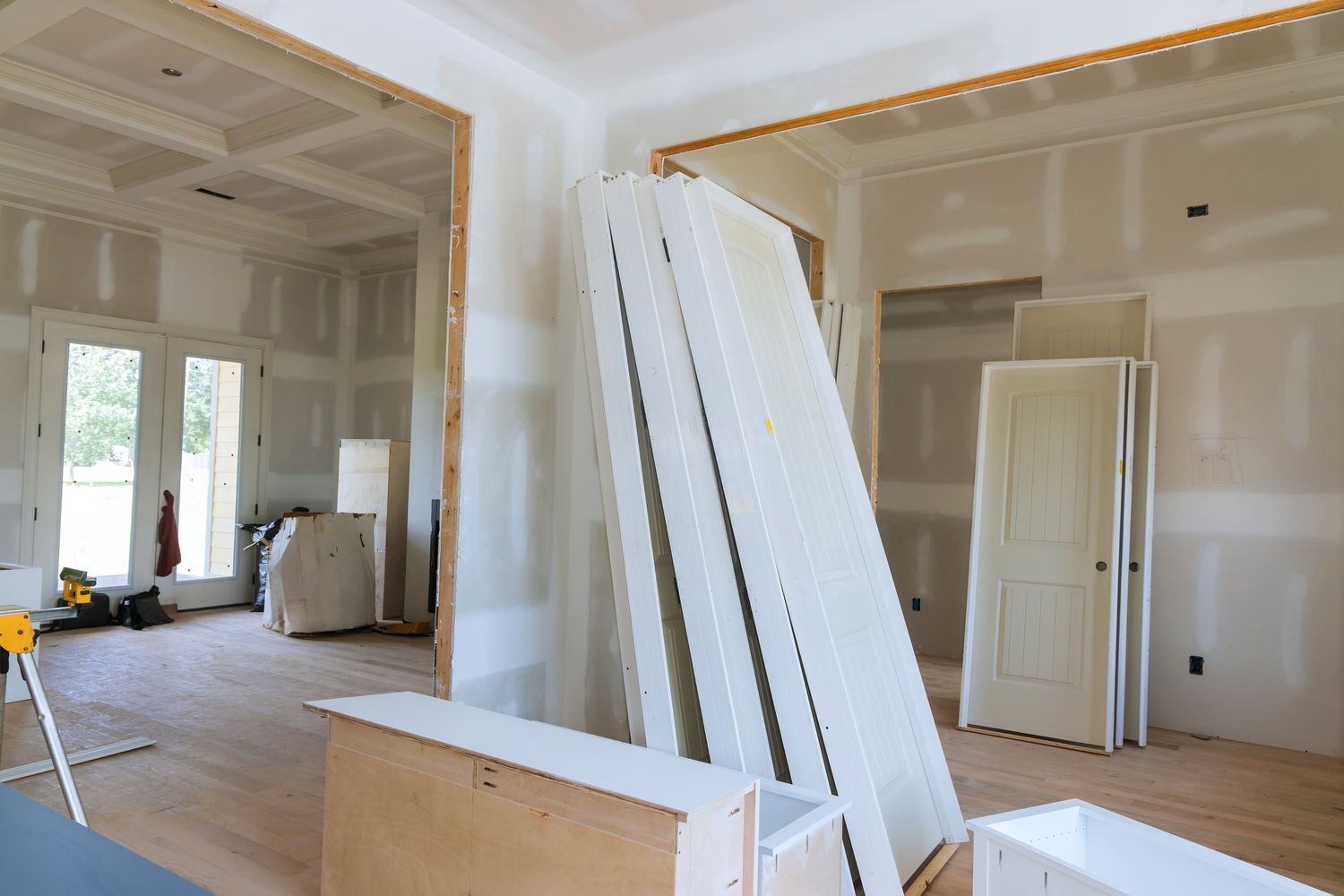

Learning how to save money on a home renovation does not necessarily mean choosing the cheapest materials or cutting corners on important work. The biggest savings often come from making sensible decisions before construction starts, keeping the existing layout where possible and avoiding unnecessary changes once work is underway.
A renovation budget can quickly increase when plans change, unexpected repairs appear or expensive finishes are chosen without considering the overall project. With careful planning, however, you can improve your home while keeping spending under better control.
The actual cost of a renovation varies according to location, property size, labour rates, materials, property condition and project requirements. The ideas below can help you identify practical ways to reduce unnecessary costs without compromising safety or quality.
How to save money on a home renovation
The best way to save money is to understand exactly what needs to be done before you start.
Begin by walking through each room and making a list of repairs, improvements and optional upgrades.
Then divide the list into three categories:
- Essential work
- Useful improvements
- Optional upgrades
Essential work might include repairing serious defects, addressing leaks or dealing with unsafe electrical components.
Useful improvements could include better flooring, additional storage or improved lighting.
Optional upgrades might include premium finishes, decorative features or bespoke furniture.
This simple exercise helps you spend money where it matters most.
Keep the existing layout where possible
Changing the layout of a room can be one of the fastest ways to increase renovation costs.
Moving a kitchen sink, for example, may require changes to water supplies and waste pipes. Moving electrical appliances can require additional wiring and sockets.
Bathroom alterations can have similar consequences.
If your existing layout works reasonably well, consider improving the room without completely rearranging it.
You can still achieve a noticeable transformation through new flooring, paint, lighting, cabinets, worktops, fixtures and storage.
Keeping plumbing and electrical points in their existing positions can reduce the amount of specialist work required.
Renovate instead of replacing everything
Not every existing item needs to be removed.
Before replacing cabinets, doors, radiators, flooring or other features, consider whether they can be repaired, cleaned, refinished or updated.
For example, kitchen cabinets with sound frames may only need new doors, handles and worktops.
A solid internal door may be perfectly usable after sanding, repairing and repainting.
Suitable existing fixtures can sometimes be incorporated into a new design rather than discarded.
This approach can reduce both material costs and waste disposal costs.
Compare several quotations
Getting multiple quotations is one of the simplest ways to understand what your project may cost.
Try to provide each contractor with the same description of the work so that you can make a meaningful comparison.
Do not automatically choose the lowest quotation.
Instead, check whether each quote includes:
- Labour
- Materials
- Preparation
- Removal of old materials
- Waste disposal
- Delivery
- Finishing work
- Specialist trades
- VAT, where applicable
A cheaper quotation may appear attractive but could exclude work that another contractor has included.
A detailed quotation makes it easier to understand the genuine cost of the project.
Choose materials carefully
Materials can make a substantial difference to a renovation budget.
You do not always need premium products to achieve a durable and attractive result.
Compare different materials according to their price, lifespan, maintenance requirements and suitability for the room.
For example, flooring suitable for a busy hallway may need different characteristics from flooring used in a bedroom.
The cheapest product is not necessarily the best value if it needs replacing quickly.
Instead, look for materials that offer a sensible balance between quality and cost.
Spend more on important items
Saving money does not mean treating every part of the renovation equally.
Some items deserve a larger proportion of the budget because they are used frequently, affect safety or are difficult to replace later.
You may want to prioritise:
- Electrical work
- Plumbing repairs
- Structural work
- Waterproofing
- Insulation
- Heating systems
- Durable flooring
- Frequently used kitchen and bathroom fittings
You can then choose simpler decorative features where spending more would have little practical benefit.
Avoid unnecessary structural changes
Removing walls, moving doors and changing room configurations can introduce additional costs.
Structural work may require specialist assessments, engineering calculations, building work and additional finishing.
If your main goal is to make a room feel larger, there may be less expensive alternatives.
Better lighting, lighter decoration, improved storage and carefully chosen furniture can sometimes make a space feel more open without changing the structure.
Where structural work is genuinely necessary, make sure it is properly planned before construction begins.
Do some suitable work yourself
There are tasks that some homeowners can safely complete themselves.
Painting, simple decorating, furniture assembly and certain preparation tasks may be suitable if you have the necessary skills.
Doing some work yourself can reduce labour costs, but it is important to know your limits.
Electrical, gas, structural and other specialist work should be handled by appropriately qualified professionals where required.
A poorly completed job can create additional repair costs and safety risks, which can eliminate any initial saving.
Plan before buying materials
Buying materials too early can lead to waste.
You may order too much, choose the wrong product or discover that your design has changed.
Before placing large orders, confirm measurements, quantities, product specifications and installation requirements.
This is particularly important for:
- Tiles
- Flooring
- Paint
- Kitchen units
- Worktops
- Bathroom fittings
- Timber
- Doors
If possible, ask the installer or contractor to confirm quantities before you make a major purchase.
Shop around for materials
Do not assume that the first supplier you find has the best price.
Compare several suppliers and consider both the product price and additional costs such as delivery.
Look for sales, clearance ranges and end-of-line products where appropriate.
However, make sure you can obtain enough of the same product for the whole project. A discontinued tile or flooring product can become a problem if you need additional quantities later.
Keep records of product names, colours, sizes and batch information where relevant.
Use standard sizes where practical
Bespoke products can be useful but often cost more.
Standard-sized doors, windows, cabinets, storage units and other products may be less expensive and easier to source.
If you are designing a new space, consider standard dimensions before committing to a highly customised solution.
This does not mean avoiding bespoke work completely. If a custom feature solves a genuine problem, it may be worth the additional cost.
The goal is to avoid paying for customisation where a standard option would work equally well.
Reuse and repurpose suitable materials
Renovation does not always have to mean throwing everything away.
Existing timber, doors, cabinets, furniture and other materials may be suitable for reuse.
For example, old timber might be restored rather than replaced, while existing shelving could be repainted and incorporated into a new storage arrangement.
Reuse can reduce material costs and waste, although the condition and safety of the material should always be considered.
Renovate in stages
If you cannot afford to renovate the whole property at once, consider completing the work in stages.
You might start with urgent repairs, followed by the kitchen and bathroom, and then move on to bedrooms and living areas.
Staging the work can make the financial commitment more manageable.
However, plan the order carefully.
Major structural, electrical and plumbing work should normally be completed before decorative finishes such as painting and flooring.
There is little value in spending money on a new floor if it will soon need to be removed for plumbing work.
Avoid changing your mind during construction
Changes made after work has started can be expensive.
A new design may require materials to be reordered, completed work to be removed or additional labour to be scheduled.
For example, changing your mind about kitchen cabinet positions could affect worktops, plumbing, electrics and flooring.
Try to finalise important decisions before construction begins.
If you do want to make a change, ask for the additional cost and potential delay before approving it.
Keep a renovation contingency
It may seem strange to suggest setting aside extra money when your goal is to save, but a contingency can protect your overall budget.
Unexpected problems can occur during renovation.
You might discover damaged flooring beneath an old carpet, deteriorated plaster behind wallpaper or plumbing that needs repair.
A contingency of around 10% to 20% is often used as a planning allowance, although the appropriate amount depends on the age, condition and complexity of the property.
If you do not use the contingency, you can keep the money rather than treating it as part of the renovation spending.
Improve energy efficiency sensibly
Some renovation improvements can help improve the efficiency and comfort of a home.
Depending on the property, this might include insulation, draught reduction, suitable glazing, heating controls or other improvements.
The cost and potential benefit vary considerably between properties.
Do not install an expensive energy-related improvement simply because it is popular. Consider the condition of your property, the expected lifespan of the improvement and the overall cost before making a decision.
Protect existing features
Preventing damage can be cheaper than repairing it.
During renovation, protect floors, furniture, doors and fittings that are staying in place.
Dust sheets, protective coverings and careful storage can reduce accidental damage.
Make sure contractors understand which items are being retained.
This is particularly important when several trades are working in the same area.
Plan the order of work carefully
The sequence of renovation work can affect how much you spend.
A sensible order generally involves completing messy or structural work before finishing work.
For example:
- Structural changes
- Plumbing and electrical work
- Plastering and major repairs
- Flooring preparation
- Painting and decorating
- Flooring installation
- Final fixtures and accessories
The exact order depends on the project.
Planning properly can reduce the risk of damaging newly installed materials and having to pay for the same work twice.
Reduce waste
Waste is not only an environmental concern; it can also affect your budget.
Accurate measurements can reduce unnecessary material purchases.
Good planning can also prevent ordering products that later become unsuitable.
Where possible, measure carefully, reuse suitable materials and discuss waste reduction with your contractor.
If you are disposing of large quantities of material, compare waste removal options rather than automatically choosing the first service available.
Be careful with cheap labour
Labour is an important part of most renovation budgets, but choosing a contractor solely because they offer the lowest price can create problems.
Poor workmanship can result in repairs, delays and replacement costs.
When comparing contractors, consider their experience with the type of work, the scope of their quotation and the way they communicate.
Ask questions about what is included and how unexpected work will be handled.
Saving money on labour is only useful if the work is completed to an appropriate standard.
Avoid over-improving the property
It is easy to become carried away during a renovation.
A project that starts with replacing a bathroom can eventually expand into new windows, flooring, lighting, built-in storage and other upgrades.
Before adding another improvement, ask whether it is necessary and whether it fits your overall budget.
If the property is being renovated for your own use, prioritise the features that will genuinely improve your daily life.
If you are renovating before selling, consider carefully whether an expensive upgrade is appropriate for the property and local market.
Track every expense
A renovation budget can quickly become inaccurate if small purchases are ignored.
Keep records of paint, tools, delivery charges, fixtures, materials and additional labour.
A simple table can help:
| Item | Budget | Actual cost |
|---|---|---|
| Flooring | £2,000 | £1,850 |
| Paint | £600 | £520 |
| Lighting | £800 | £760 |
| Labour | £4,000 | £4,200 |
| Fixtures | £1,000 | £950 |
The figures above are only an example. Actual costs vary by location, materials, labour and project requirements.
Review your budget regularly so that you know whether you are still on track.
Where not to cut costs
Some savings are not worth the risk.
Avoid reducing spending on work where poor quality could create safety, structural or long-term problems.
This can include:
- Structural repairs
- Gas work
- Electrical work
- Plumbing repairs
- Waterproofing
- Roof repairs
- Essential insulation
- Important building materials
Use appropriately qualified professionals where necessary.
A cheap solution that fails may cost considerably more to repair later.
How to save money without making your home look cheap
A limited budget does not prevent you from creating an attractive home.
Simple design choices can have a strong visual effect.
Consider using:
- Consistent paint colours
- Good-quality but reasonably priced lighting
- Simple handles and hardware
- Durable flooring
- Well-planned storage
- A small number of decorative features
- Existing furniture that can be restored
Instead of trying to make every feature expensive, create a coherent overall design.
Good planning can often have more impact than simply choosing the most expensive products.
FAQ about saving money on a home renovation
What is the easiest way to save money on a renovation?
Planning carefully before work begins is one of the most effective approaches. Keeping existing layouts, comparing quotations, choosing materials carefully and avoiding unnecessary design changes can all reduce costs.
Is it cheaper to renovate one room at a time?
Renovating in stages can make the project easier to finance, but it is not always cheaper overall. Completing related work together may sometimes reduce duplicated labour or delivery costs.
Should I buy renovation materials myself?
It depends on the contractor and project. Buying materials yourself may give you more control over product selection and price, but you should confirm quantities and specifications with the installer first.
Can DIY work really reduce renovation costs?
It can reduce labour costs for suitable tasks such as decorating, but only undertake work you can complete safely and competently. Specialist work should be handled by appropriate professionals.
How much should I keep aside for unexpected renovation costs?
A contingency of around 10% to 20% is often used as a general planning allowance. Older or more complicated properties may justify a larger reserve.
Is the cheapest renovation quote the best way to save money?
Not necessarily. A low quotation may exclude important work or materials. Compare the scope of each quotation and consider quality, experience and what is included before making a decision.
Conclusion
Knowing how to save money on a home renovation is mainly about making better decisions rather than simply spending less on everything.
Keep existing layouts where they work, repair or reuse suitable items, compare detailed quotations and choose materials based on value rather than price alone. Planning the order of work carefully can also prevent you from paying for the same preparation or installation twice.
At the same time, avoid cutting costs on structural, electrical, plumbing, gas or other specialist work where quality and safety matter.
Renovation costs vary according to location, labour, materials, property size, condition and project requirements. A realistic budget, careful planning and a sensible contingency fund can help you control those costs while still achieving the improvements you want.
The most successful budget renovation is not necessarily the one with the lowest initial price. It is the one that delivers the improvements you need without unnecessary work, avoidable waste or expensive mistakes.