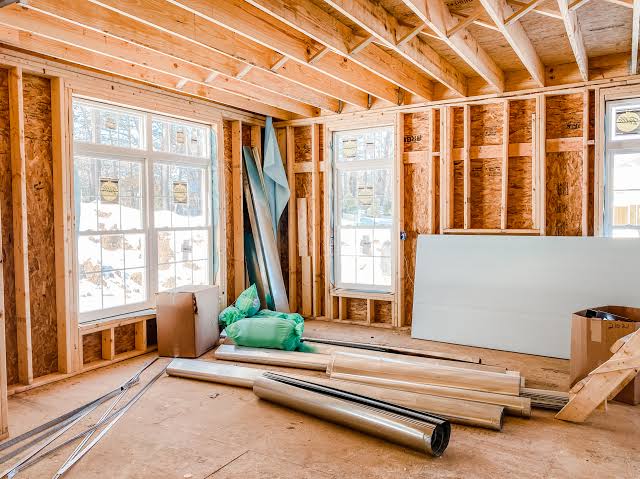

Understanding the hidden costs to expect during a home renovation can help you prepare for expenses that may not appear in the original quotation. Even a carefully planned project can uncover problems, require additional materials or involve work that was not obvious at the beginning.
A renovation budget should therefore include more than the obvious costs of paint, flooring, kitchens, bathrooms and labour. Waste removal, preparation, delivery, repairs, professional services and unexpected problems can all increase the final bill.
The exact cost will depend on your location, property size, materials, labour rates, property condition and the complexity of the project. Planning for these expenses from the beginning can make the renovation easier to manage.
Hidden costs to expect during a home renovation
Some renovation expenses are easy to overlook because they do not directly change the appearance of the finished room.
For example, you may budget for new flooring but forget to allow for removing the old flooring and preparing the surface underneath.
Similarly, a new kitchen may require additional electrical sockets, plumbing changes or wall repairs before the cabinets can be installed.
Common hidden costs include:
- Removing old materials
- Waste disposal
- Surface preparation
- Additional electrical work
- Plumbing alterations
- Structural repairs
- Damp or mould treatment
- Delivery charges
- Professional fees
- Building control requirements where applicable
- Temporary accommodation
- Storage
- Additional materials
- Changes to the original design
- Repairs discovered after walls or floors are opened
None of these expenses will necessarily apply to every project. The important point is to consider them before finalising your budget.
Removing old fixtures and materials
Many homeowners concentrate on the cost of installing new products but forget that something has to happen to the old ones.
A new bathroom, for example, may require the removal of an old bath, toilet, basin, tiles and flooring.
A kitchen replacement can involve dismantling cabinets, removing worktops, disconnecting appliances and clearing old materials.
Depending on the contractor, removal may be included in the quotation or charged separately.
Always ask whether the price includes dismantling and removal. If it does not, you may need to arrange this yourself or pay an additional fee.
Waste disposal and skip hire
Renovation work can produce much more waste than expected.
Plasterboard, timber, old flooring, tiles, kitchen cabinets, bathroom fittings and packaging can quickly fill available space.
You may need a skip, waste collection service or another suitable disposal arrangement.
Costs vary depending on the amount and type of waste, location, skip size and hire period.
Some materials also have specific disposal requirements, so do not assume that every type of renovation waste can simply be placed in a standard household bin.
Ask your contractor how waste will be handled before work starts.
Preparing walls, floors and ceilings
A new finish cannot always be applied directly over an old surface.
Walls may need plaster repairs before painting. Floors may need levelling before new flooring can be installed. Ceilings may have cracks or other damage that needs attention.
These preparation tasks can add labour and material costs.
For example, a quotation for installing laminate flooring may not include extensive floor preparation if the condition of the existing surface was not known.
Before approving the work, ask whether preparation is included and what happens if additional repairs are discovered.
Electrical work
Electrical requirements can change during a renovation.
Adding new lighting, sockets, appliances or heating equipment may require alterations to existing electrical systems.
Older properties may also have wiring that needs attention before new fixtures can safely be installed.
A kitchen renovation is a common example. Modern appliances may require suitable electrical connections, while additional work may be needed for lighting and sockets.
Electrical work should be carried out by an appropriately qualified professional where required.
If you are renovating an older property, ask for the electrical requirements to be assessed early rather than discovering them after the walls have been finished.
Plumbing changes
Plumbing can become another unexpected expense.
Replacing a bathroom fitting in the same position may require relatively limited plumbing work. Moving the fitting to another part of the room can be much more involved.
The same applies to kitchens.
Moving a sink, dishwasher or washing machine can require changes to water supplies and waste pipes.
If you are considering changing the layout, ask a suitable professional to assess the plumbing before finalising the design.
Keeping existing plumbing locations where practical can sometimes reduce labour and material costs.
Structural problems
Structural issues can be among the most significant unexpected renovation expenses.
Problems may not become obvious until walls, ceilings or floors are opened.
Examples can include:
- Damaged timber
- Deteriorated joists
- Cracked structural elements
- Previous alterations that require correction
- Problems around openings
- Roof or ceiling defects
Not every crack or damaged surface indicates a serious structural problem. However, significant concerns should be assessed by an appropriate professional rather than assumed to be cosmetic.
If your renovation involves removing walls or changing structural elements, allow for professional assessment and possible additional work.
Damp and moisture problems
Damp can sometimes remain hidden behind wallpaper, panelling, flooring or other finishes.
Once old materials are removed, signs of moisture may become visible.
The cost of dealing with damp depends on the cause. Simply covering the affected area without addressing the source may not solve the underlying problem.
Possible causes can include leaks, condensation, defective external elements or problems with drainage.
If damp is discovered, identify the cause before deciding on a treatment. The correct solution may involve repairs outside the room being renovated.
Insulation and ventilation
Renovation work can reveal opportunities or requirements for improving insulation and ventilation.
For example, opening a wall may show that insulation is inadequate. A bathroom renovation may also require better ventilation to manage moisture.
Improving insulation or ventilation can add to the immediate cost of a project, but it may be useful where it addresses a genuine property issue.
The appropriate solution depends on the building, existing construction and type of renovation.
Delivery charges
Large renovation materials can be expensive to transport.
Kitchen units, worktops, flooring, tiles, bathroom fittings and building materials may all involve delivery charges.
These costs can be missed when comparing product prices online or between suppliers.
When calculating the cost of materials, include delivery and check whether there are additional charges for difficult access, timed deliveries or returning unused products.
Material wastage
Buying materials based purely on the exact measurements of a room can create problems.
Flooring, tiles, timber and other materials may require additional quantities because of cutting, patterns, damaged pieces or installation requirements.
The amount of extra material required varies according to the product and design.
It is better to discuss quantities with the installer or supplier before ordering large amounts.
Buying too little can cause delays, while buying too much unnecessarily ties up money and may leave you with unused materials.
Changes to the original design
One of the easiest ways to increase renovation costs is to change the plan after work has begun.
You might decide that you want a different worktop, move a doorway or choose more expensive bathroom fittings.
A seemingly small change can affect several other parts of the project.
For example, moving a kitchen appliance could affect cabinets, plumbing, electrical connections and worktop arrangements.
Before approving a change, ask for the additional cost and any effect on the timetable.
Professional fees
Some renovation projects require professional services in addition to builders and tradespeople.
Depending on the work, you may need:
- An architect or architectural technician
- Structural engineer
- Building surveyor
- Quantity surveyor
- Specialist designer
- Other qualified professionals
These costs depend on the size and complexity of the project.
A small cosmetic renovation may not require any professional design services, while a major structural alteration may need several types of specialist input.
Include these potential expenses before finalising the budget.
Planning and building control costs
Not every renovation requires planning permission, but certain alterations may have additional requirements.
Extensions, conversions, structural changes and work involving particular types of property can require permission or approval.
Building regulations may also apply to certain work even when planning permission is not required.
The requirements and associated costs depend on the project and property.
If your renovation involves structural changes, extensions or significant alterations, check the relevant requirements before work begins.
Temporary accommodation
A major renovation can make part or all of a home difficult to use.
If the kitchen or bathroom is unavailable for an extended period, you may need to make alternative arrangements.
For larger projects, some homeowners temporarily move out.
This creates additional costs that are separate from the construction work itself.
Possible expenses include:
- Temporary accommodation
- Additional transport
- Storage
- Eating out
- Laundry arrangements
- Pet care where applicable
Whether these costs arise depends on the scale and duration of the renovation.
Storage costs
Furniture and personal belongings may need to be moved before work begins.
If there is not enough space elsewhere in the property, you may need temporary storage.
This is particularly relevant when renovating several rooms or carrying out flooring and plastering work.
Protecting furniture inside the property can also require dust sheets, protective coverings and suitable storage arrangements.
Discuss how belongings will be protected with your contractor before work starts.
Cleaning after renovation
Construction work can create dust and debris even when contractors take reasonable precautions.
A major renovation may require more cleaning than homeowners initially expect.
You may need to clean floors, windows, cupboards, walls and other surfaces after the main work is complete.
Professional builders may include basic site cleaning, but a full deep clean may be separate.
If you want the property professionally cleaned before moving furniture back in, include that cost in your overall budget.
Delays and extended project costs
Delays can create additional expenses.
A project may take longer because materials are unavailable, unexpected repairs are discovered, trades need to be rescheduled or changes are made to the design.
Extended work can increase certain costs, such as accommodation, storage or temporary facilities.
This is another reason not to plan a renovation budget around the assumption that everything will happen exactly according to the original timetable.
Ask contractors about likely timescales and potential causes of delay before work begins.
Contractor variations and additional work
A quotation is usually based on the information available when it is prepared.
If conditions change after work begins, the contractor may need to quote for additional work.
For example, removing old flooring might reveal damaged boards that need replacing before the new flooring can be installed.
Ask contractors to explain additional work before it is carried out where possible.
Written approval can help you keep track of how changes affect the total budget.
Hidden costs when renovating an older property
Older properties can require additional attention because previous repairs and alterations may not always be obvious.
You may encounter outdated plumbing, electrical systems, damaged timber, poor insulation or other maintenance issues.
This does not mean every older home will have expensive problems. It simply means that the condition of the property should be considered when setting expectations.
A property inspection before major renovation work can help identify some issues before construction begins.
How much contingency should you include?
A contingency fund gives you money available for unexpected expenses.
A planning allowance of around 10% to 20% is often used for renovation projects, although the appropriate amount varies.
A simple cosmetic update in a relatively new property may need less contingency than a major renovation of an older building.
For example, if your planned work costs £25,000, a 10% contingency would be £2,500 and a 20% contingency would be £5,000.
The money should be reserved for genuine unexpected costs rather than automatically treated as part of the spending budget.
How to reduce unexpected renovation expenses
You cannot eliminate every unexpected cost, but good planning can reduce the number of surprises.
Useful steps include:
- Get detailed quotations rather than rough verbal estimates.
- Ask what is excluded from each quotation.
- Inspect the property carefully before work begins.
- Keep the existing layout where practical.
- Discuss plumbing and electrical requirements early.
- Confirm waste removal arrangements.
- Check delivery charges before ordering materials.
- Keep a contingency fund.
- Record changes to the project in writing.
- Avoid making unnecessary design changes during construction.
- Use suitable professionals for structural and specialist work.
Good communication is particularly important. Many additional costs become easier to manage when they are identified early.
How to compare renovation quotations
Do not compare contractors solely by their final price.
A quotation that appears cheaper may exclude preparation, waste removal, materials or other important tasks.
Instead, compare the scope of work.
Check whether each quotation covers:
| Cost area | What to check |
|---|---|
| Labour | Which trades are included? |
| Materials | Are specified materials included? |
| Preparation | Are repairs and surface preparation covered? |
| Waste | Who pays for removal? |
| Delivery | Are delivery charges included? |
| Fixtures | Are installation costs included? |
| Professional work | Are surveys or design fees included? |
| Changes | How are additional costs approved? |
This makes it easier to identify the genuine total cost.
FAQ about hidden renovation costs
What are the most common hidden costs during a renovation?
Common examples include waste removal, surface preparation, additional plumbing or electrical work, delivery charges, repairs discovered after opening walls or floors, and changes to the original design.
How much extra should I keep for unexpected renovation costs?
A contingency of around 10% to 20% can be useful for many projects, although older properties and complex renovations may require a larger reserve.
Can a contractor charge more than the original quotation?
Additional costs may arise when the scope of work changes or unexpected conditions are discovered. Ask contractors to explain and agree additional work and costs before proceeding wherever possible.
Does renovation cost include waste removal?
Not always. Some contractors include waste disposal in their quotation, while others charge separately. Always check the terms before work begins.
Can hidden costs be avoided completely?
No renovation can be guaranteed to have no unexpected expenses. However, detailed planning, property inspections, clear quotations and a contingency fund can reduce the financial impact of surprises.
Are older homes more likely to have unexpected renovation costs?
Older properties can have hidden maintenance issues because of their age, previous alterations and outdated systems. However, the actual condition of each property is different, so age alone does not determine the final renovation cost.
Conclusion
Knowing the hidden costs to expect during a home renovation allows you to prepare for expenses that may not be obvious when you first plan the project. The headline price of materials and labour is only part of the total cost.
Waste disposal, preparation, delivery, plumbing, electrical work, professional services, temporary accommodation and unexpected repairs can all affect the final bill. Changes to the design can also increase spending if they are made after construction has started.
The best approach is to create a detailed budget, ask contractors what is included and excluded, and keep a realistic contingency fund. Costs will vary according to location, materials, labour, property size, condition and project requirements.
A well-planned renovation budget does not need to predict every expense perfectly. It simply needs to give you enough financial room to deal with the unexpected while keeping the overall project under control.