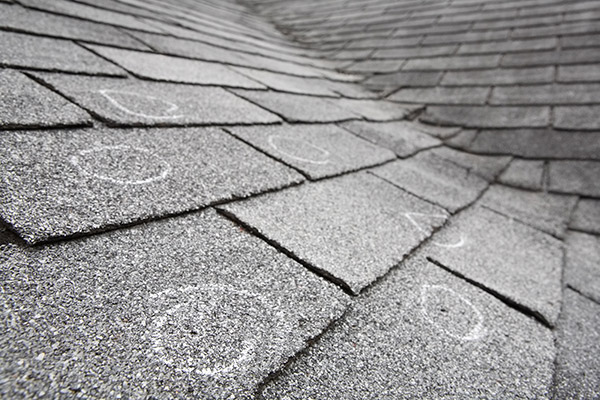

Knowing the signs that your roof needs replacement can help you deal with problems before they become more expensive. A roof does not necessarily need to be replaced simply because it is old, but widespread damage, repeated leaks, sagging or serious deterioration can indicate that repairs are no longer enough.
Some roof problems are easy to spot from the ground, while others only become apparent during a professional inspection. Regular checks can help you identify warning signs early and decide whether a repair, partial replacement or complete new roof is appropriate.
The right decision depends on the roof's age, material, condition, construction and the extent of the damage.
How to tell whether a roof needs replacing
There is no single sign that automatically means a roof must be replaced. Instead, look at the overall condition.
A few damaged tiles may be repairable. A roof with widespread broken coverings, deteriorated underlay, damaged timber and repeated water ingress may require much more extensive work.
The following warning signs deserve attention.
Missing or broken roof tiles
Broken, cracked or missing tiles are among the most visible roofing problems.
A small number of damaged tiles can often be replaced without rebuilding the entire roof. However, widespread deterioration may indicate that the covering is reaching the end of its useful life.
If tiles are becoming brittle, breaking regularly or shifting out of position, it is worth having the entire roof assessed rather than repeatedly replacing individual pieces.
The condition of the battens, underlay and supporting structure should also be considered.
Frequent roof leaks
A leaking roof should never be ignored.
Water entering the roof space can damage insulation, timber, ceilings and other parts of the building. Even a relatively small leak can become more serious if the underlying cause is not addressed.
Occasional leaks around a chimney, roof window or flashing may be repairable.
However, frequent leaks in several areas can be one of the signs that your roof needs replacement, particularly when the roof covering and other components are already showing significant wear.
Water stains on ceilings and walls
Brown, yellow or damp-looking marks on ceilings can indicate water entering from above.
A ceiling stain does not always mean that the entire roof is failing. Water can travel along roof timbers before appearing inside the property, making the original source difficult to identify.
A professional should investigate persistent staining, particularly if it appears after rainfall.
Do not simply paint over a water mark without finding and addressing the cause.
Sagging areas of the roof
A roof should generally maintain its intended shape.
Visible sagging, dipping or uneven sections can indicate problems with the supporting structure, moisture damage or other issues that require professional assessment.
Structural problems can be more serious than a damaged tile because the roof's supporting components may need repair or replacement.
If you notice a significant change in the roof's shape, arrange an inspection rather than attempting to correct it yourself.
Damaged or deteriorating flashing
Flashing is used around vulnerable areas such as chimneys, roof junctions and certain roof openings.
When flashing becomes cracked, loose, corroded or damaged, water can enter the building.
Localised flashing damage may be repairable. However, if flashing is deteriorating across several areas alongside an ageing roof covering, a wider replacement project may be more sensible.
Excessive moss and biological growth
Moss can appear on many roofs, particularly in damp or shaded environments.
Its presence alone does not mean that a roof needs replacing. However, heavy growth can make it harder to inspect the condition of the roof and may contribute to moisture retention.
If moss is accompanied by damaged tiles, blocked drainage or other deterioration, the roof should be assessed.
Avoid aggressive cleaning methods that could damage tiles or other roofing materials.
Granules or roofing material appearing in gutters
Some roofing materials can gradually lose surface material as they age.
If you regularly find an unusual amount of roofing debris in gutters or around the property, it may be worth investigating.
The meaning of this sign depends on the type of roof covering. It does not automatically mean replacement is required, but it can be a useful indication that the roof needs closer inspection.
Damaged or deteriorated underlay
The roof covering is only one part of the system.
Underlay sits beneath many pitched roof coverings and can provide an additional layer of protection against wind-driven rain and other moisture.
If the underlay has deteriorated, torn or become damaged, replacing only a few visible tiles may not resolve the wider problem.
When a roof covering is being stripped, the condition of the underlay and other concealed components should be checked.
Damaged roof timbers
Roof timbers provide important structural support.
Moisture, leaks, insects, age and other problems can contribute to timber deterioration. Signs may include soft or damaged wood, visible decay or changes in the roof's shape.
Not every damaged timber means the whole roof needs replacement. Individual components may sometimes be repaired or replaced.
However, extensive structural deterioration can make a complete roof project more appropriate.
Your roof is approaching the end of its expected service life
Roofing materials have different expected lifespans.
A roof made from one material may remain serviceable for considerably longer than another. The actual lifespan also depends on installation quality, maintenance, weather exposure, ventilation and other factors.
Age should therefore be treated as a reason for inspection rather than an automatic reason for replacement.
An older roof that remains in good condition may continue to perform well. An older roof showing several types of deterioration may be approaching the point where replacement is more practical than continued repairs.
Repairs are becoming increasingly frequent
One repair does not necessarily indicate a failing roof.
However, if you are repeatedly paying for repairs in different areas, the pattern may suggest that the roof covering or underlying system is deteriorating more widely.
For example, you might replace several tiles one year, repair flashing the next and then deal with another leak shortly afterwards.
At that point, compare the cumulative repair costs with the estimated cost of a replacement. A professional inspection can help determine whether continued repairs remain sensible.
Your roof looks visibly worn
Sometimes the overall appearance provides an important clue.
Look for:
- Widespread cracked or damaged tiles
- Uneven roof sections
- Missing materials
- Deteriorated flashing
- Loose components
- Signs of water damage
- Excessive weathering
- Damaged ridge or hip tiles
A single cosmetic issue does not necessarily justify replacement. Several problems occurring together deserve more attention.
Signs that your roof needs replacement rather than repair
Understanding the difference between repair and replacement can prevent unnecessary spending.
A repair may be suitable when damage is:
- Small and localised
- Limited to a few tiles
- Caused by a specific damaged component
- Confined to one section of flashing
- Easily accessible and straightforward to correct
Replacement becomes more likely when damage is:
- Widespread
- Repeatedly causing leaks
- Affecting several areas
- Associated with structural deterioration
- Occurring across an ageing roof
- Making continued repairs increasingly expensive
The decision should be based on the complete condition of the roofing system rather than one isolated problem.
Check the roof from inside the loft
The loft can reveal problems that are difficult to see from outside.
During a basic visual inspection, look for signs such as:
- Damp or wet areas
- Water staining
- Damaged timber
- Daylight where there should not be any
- Deteriorated insulation
- Condensation
- Unusual musty smells
- Signs of previous water ingress
Do not climb onto the roof or put yourself in an unsafe position to inspect it.
A loft inspection should be visual and cautious. If you find significant damage or are unsure about what you are seeing, arrange a professional assessment.
Check the roof after severe weather
Strong winds and storms can expose weaknesses in roofing systems.
After severe weather, look from a safe position for obvious signs such as displaced tiles, damaged flashing, blocked gutters or visible debris.
If you suspect damage, have the roof checked before a small problem develops into a larger leak.
Storm damage does not automatically mean the roof needs complete replacement. The appropriate solution depends on the extent and location of the damage.
Consider the age and condition together
Roof age is useful information, but it should not be considered on its own.
For example, a relatively old roof that has been well maintained may still be in reasonable condition. A newer roof that has suffered poor installation, severe weather damage or persistent moisture problems may need significant repairs sooner.
Consider:
- Age
- Material
- Installation quality
- Maintenance history
- Weather exposure
- Previous repairs
- Current leaks
- Structural condition
Looking at these factors together provides a much better indication of whether replacement is appropriate.
Do not forget ventilation and condensation
Not every moisture problem comes from a leaking roof.
Poor ventilation can contribute to condensation within the roof space. This can create damp conditions and potentially affect insulation and timber.
If you notice moisture in the loft, determine whether it is caused by a roof leak, condensation or another source.
Improving ventilation may solve some moisture problems without requiring a complete roof replacement.
This is another reason to obtain a proper diagnosis before committing to a major project.
How much does roof replacement cost?
The cost of replacing a roof varies widely.
A complete replacement for a typical UK property can cost several thousand pounds, while larger, more complicated or premium-material projects can exceed £15,000.
These figures are broad guidance rather than guaranteed prices.
The final cost depends on factors including:
- Roof size
- Roof pitch
- Roof design
- Roofing material
- Labour rates
- Property location
- Scaffolding
- Removal and disposal
- Structural repairs
- Insulation
- Ventilation
- Flashing and other detailing
Material prices and labour costs can also change over time.
When comparing prices, request detailed quotations that explain exactly what is included.
What is included in a roof replacement?
A complete roof replacement may involve much more than installing new tiles.
Depending on the project, the work could include:
- Removing the existing roof covering
- Removing old battens or underlay
- Inspecting roof timbers
- Repairing damaged structural components
- Installing new underlay
- Installing battens
- Fitting new tiles or other coverings
- Replacing flashing
- Improving ventilation
- Adding or upgrading insulation
- Replacing damaged ridge or hip components
- Removing construction waste
- Cleaning the work area
Not every roof requires all of these tasks, so the quotation should be specific to the property.
Should you replace the roof before selling?
There is no universal answer.
If the roof is in reasonable condition, a full replacement may not be necessary simply because you are preparing to sell.
If there are serious leaks, visible deterioration or significant structural concerns, addressing the problem may make the property easier to market and reduce concerns during the selling process.
However, a full replacement is a substantial expense. Consider the property's overall condition, your expected selling timeframe and the likely benefit before making a decision.
How to plan for a roof replacement
If an inspection indicates that replacement is necessary, start by defining the scope of the project.
Obtain several quotations where practical and make sure they are based on comparable specifications.
Ask each contractor about:
- Roofing material
- Removal of the existing roof
- Underlay and battens
- Scaffolding
- Waste disposal
- Structural repairs
- Insulation
- Ventilation
- Flashing
- Estimated project duration
- Payment schedule
- What happens if unexpected damage is discovered
Keep some contingency money available because hidden defects may only become visible after the old roof is removed.
Common mistakes when replacing a roof
A roof replacement is a major project, and poor planning can create unnecessary costs.
Common mistakes include choosing a contractor solely because they offer the lowest price, failing to compare what quotations include and ignoring the condition of the supporting structure.
Other mistakes include choosing a roofing material that is unsuitable for the property, overlooking ventilation and insulation, and assuming that visible damage represents the entire problem.
It is also important not to delay professional assessment when a roof is showing serious signs of deterioration.
A practical example
Imagine a house with an ageing pitched roof.
The owner has noticed several broken tiles, repeated leaks around different parts of the roof and water staining in the loft. A few tiles have already been replaced, but new problems continue to appear.
In this situation, replacing individual tiles may no longer address the wider issue.
A professional inspection could reveal that the roof covering, underlay and some timber components are all deteriorating. A complete replacement may then be more practical than continuing with repeated repairs.
By contrast, if only two tiles were damaged after a storm and the rest of the roof was in good condition, a targeted repair might be sufficient.
Frequently asked questions
What are the main signs that a roof needs replacement?
Common warning signs include widespread broken or missing tiles, repeated leaks, sagging, damaged flashing, deteriorated roofing materials, structural problems and frequent repairs. An inspection is needed to determine whether replacement is actually necessary.
How old does a roof have to be before it needs replacing?
There is no fixed age at which every roof needs replacement. Different materials have different service lives, and maintenance, installation quality and weather exposure all affect performance.
Can a leaking roof be repaired instead of replaced?
Yes. A localised leak can often be repaired if the rest of the roof is in good condition. Replacement becomes more likely when leaks are widespread or repeatedly return despite repairs.
How much does it cost to replace a roof?
Costs vary by roof size, material, labour, location, access and the amount of additional work required. A complete replacement can cost several thousand pounds, with larger or more complex projects costing considerably more.
Should I replace my roof if only a few tiles are damaged?
Not necessarily. A few damaged tiles can often be replaced individually. However, if the surrounding roof is old or showing widespread deterioration, an inspection can help determine whether further work is needed.
How often should a roof be inspected?
The appropriate frequency depends on the roof's age, material, condition and exposure to weather. It is sensible to arrange an inspection if you notice leaks, visible damage or other warning signs, and to have the roof checked after significant storm damage.
Conclusion
The signs that your roof needs replacement are usually a combination of age, visible deterioration, repeated leaks, structural problems and increasing repair requirements.
A few damaged tiles do not necessarily mean you need a new roof. However, widespread damage or several problems occurring at the same time should not be ignored.
Start with a careful visual inspection from safe positions, check the loft for obvious signs of moisture and arrange a professional assessment when problems are persistent or serious.
If replacement is recommended, compare detailed quotations rather than focusing only on the headline price. Consider the roofing material, labour, scaffolding, removal, structural repairs, insulation, ventilation and other requirements.
Taking a careful approach can help you choose the right solution and avoid paying for unnecessary work while ensuring genuine roofing problems are properly addressed.