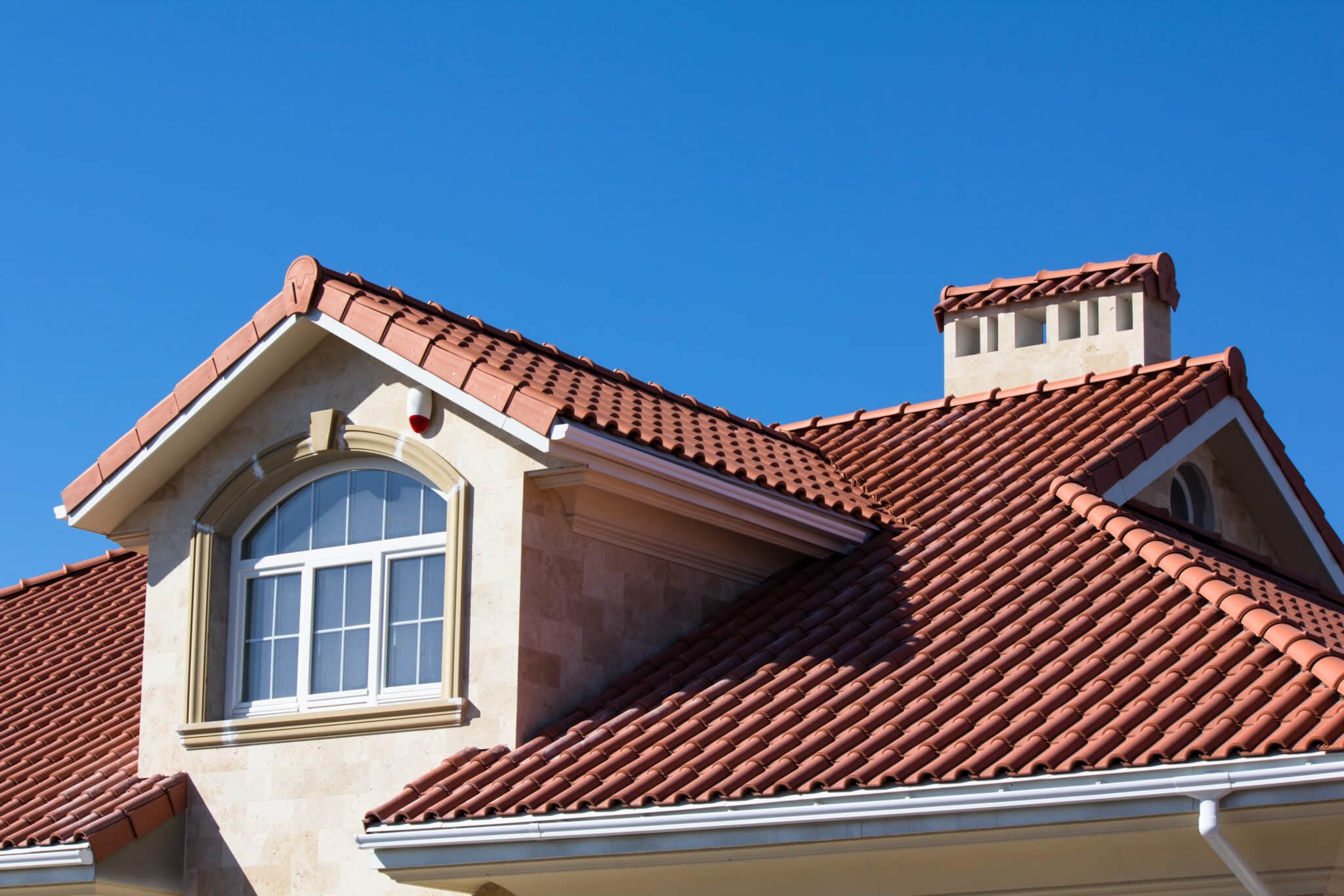

If you are planning a roof replacement, one of the first questions you are likely to ask is: how much does a new roof cost? The answer depends on several factors, including the size and shape of the roof, the materials selected, labour rates, the condition of the existing roof and the type of property.
A new roof can be a significant home improvement expense, but replacing an old or badly damaged roof can help protect the structure of the property from water, wind and other weather conditions.
The cost should not be judged by the roofing material alone. Removal of the existing roof, structural repairs, insulation, ventilation, scaffolding, waste disposal and installation can all affect the final price.
What affects the cost of a new roof?
Roofing costs can vary considerably between properties. Two houses with similar floor areas can require very different roofing budgets because their roofs may have different shapes, pitches and construction requirements.
The main factors include:
- Roof size
- Roof design and pitch
- Choice of roofing material
- Labour costs
- Condition of the existing roof
- Amount of structural repair required
- Insulation requirements
- Ventilation
- Scaffolding and access
- Removal and disposal of old materials
- Flashing, gutters and other associated work
- Property location
- Planning or building requirements where applicable
For this reason, a price given for one property should not automatically be used as the expected price for another.
How much does a new roof cost in the UK?
There is no single price for a new roof because every project is different. As a broad guide, a complete roof replacement for a typical UK home can range from several thousand pounds to well over £15,000, depending on the roof area, design, materials and work involved.
A straightforward replacement using relatively affordable materials may sit towards the lower end of the range. A large, complex roof using premium materials, with significant structural repairs or difficult access, can cost substantially more.
A useful way to think about the budget is to divide it into separate components:
| Cost area | What it may include |
|---|---|
| Roofing materials | Tiles, slate, membranes, battens and fixings |
| Labour | Removing and installing roofing materials |
| Scaffolding | Safe access around the property |
| Roof removal | Taking off old tiles, felt or other coverings |
| Waste disposal | Transport and disposal of old materials |
| Structural repairs | Rafters, timbers or other damaged components |
| Insulation | Improving thermal performance where required |
| Flashing | Sealing around chimneys, walls and roof junctions |
| Ventilation | Improving airflow within the roof structure |
| Gutters | Repair or replacement where necessary |
These costs can vary by location, materials, labour, property size and project requirements.
Roof size and shape make a big difference
The size of the roof is one of the most obvious factors affecting cost, but the floor area of the house does not tell you the exact roof area.
A two-storey house with a simple roof may have a relatively straightforward roof structure. A single-storey property with several extensions and roof sections can have a larger and more complicated roofing project.
The roof pitch also matters.
A steep roof can require additional safety measures and may take longer to work on. Complex roofs with valleys, dormers, multiple slopes and other features generally require more cutting, detailing and labour.
A simple pitched roof is usually easier to estimate than a complicated roof with several sections.
How much do different roofing materials cost?
The roofing material can have a major effect on the overall budget.
Common options include concrete tiles, clay tiles, slate, metal roofing and other specialist products. Each has different purchase prices, installation requirements, appearance and expected lifespan.
Concrete tiles are often considered when keeping material costs relatively controlled is important. They are widely available and come in various colours and profiles.
Clay tiles can provide a traditional appearance and can be suitable for many properties, but the cost can be higher depending on the product.
Natural slate can create a distinctive appearance and is often associated with traditional or period properties. However, both the material and specialist installation can make it more expensive.
Metal roofing is available in several forms and can be suitable for certain property styles and extensions. Its cost depends on the particular system, finish and installation requirements.
The cheapest material is not automatically the best choice. The existing roof structure, local conditions, property style and installation method should all be considered.
Concrete tiles
Concrete tiles are a common option for pitched roofs.
They can provide good durability and are available in different colours and profiles. Their weight should be considered when assessing whether an existing roof structure is suitable.
If replacing an old roof with a substantially different material, a professional should check whether the supporting structure is appropriate.
Clay tiles
Clay tiles can be a good choice when appearance and traditional character are important.
They can be particularly suitable for certain traditional properties and can last for many years when properly installed and maintained.
However, the overall cost can be affected by the type of tile, detailing, labour and the complexity of the roof.
Natural slate
Natural slate can provide a high-quality traditional finish.
It is often more expensive than standard concrete tiles, partly because installation can require experienced roofing professionals.
If your property is older or has a particular architectural style, slate may be worth considering, but the budget should include both materials and specialist labour.
Metal roofing
Metal roofing products vary considerably.
Some systems are designed to imitate traditional tiles, while others have a more modern appearance. They can be useful for certain extensions, outbuildings and residential projects.
The cost depends on the metal, coating, profile, insulation system and installation method.
Does replacing the roof include removing the old roof?
Not necessarily, so this should be confirmed in the quotation.
In many replacement projects, the old tiles or other roofing materials need to be removed before the new roof covering is installed. This creates additional labour and waste-disposal costs.
The contractor may also need to remove old battens, underlay or damaged components.
When comparing quotes, check whether the price includes:
- Removal of existing roofing
- Disposal of waste
- New underlay
- New battens where required
- Fixings
- Flashing
- Labour
- Scaffolding
- VAT, where applicable
A quote that looks cheaper may simply exclude some of these items.
How much does roof repair cost compared with replacement?
Not every damaged roof needs to be completely replaced.
A repair may be more appropriate if the problem is limited to a small number of broken or displaced tiles, damaged flashing, a localised leak or another isolated issue.
Replacement may become more appropriate when the roof covering is extensively worn, repeated repairs are needed or the underlying structure has significant problems.
A professional inspection can help establish whether repair or replacement is the more sensible option.
For example, replacing a few broken tiles can be considerably less expensive than stripping and rebuilding an entire roof. However, repeatedly paying for small repairs on an ageing roof may eventually become less economical than planning a full replacement.
What about roof structure repairs?
The visible roofing material is only part of the roof.
Once an old covering is removed, the contractor may discover damaged timber, rot, moisture problems or other structural issues.
The cost of repairing these problems depends on their extent.
Minor timber repairs may have a relatively limited effect on the budget. Extensive damage involving several rafters or other structural components can increase the cost significantly.
This is one reason it is sensible to keep a contingency in the renovation budget rather than spending every available pound on the initial quotation.
Scaffolding and access costs
Scaffolding is often necessary for safe roof work.
The price can vary depending on the height and size of the property, the amount of scaffolding required and how long the project takes.
Access can become more complicated where a property has limited space, extensions, conservatories, neighbouring buildings or other obstacles.
Ask whether scaffolding is included in the roofing quotation rather than assuming it is covered.
Insulation and ventilation
A roof replacement can be an opportunity to review insulation and ventilation.
Good insulation can help reduce unwanted heat loss through the roof, although the appropriate solution depends on the type of roof and existing construction.
Ventilation is also important because trapped moisture can contribute to condensation and other problems.
If insulation or ventilation work is needed, include it in the initial budget. Adding these elements after the roofing work has been completed can be more disruptive.
Chimneys, valleys and roof details
Simple roof coverings are generally easier to install than roofs containing numerous details.
Chimneys, valleys, roof windows, dormers, skylights and wall junctions can all increase labour and material requirements.
Flashing around chimneys and other junctions needs to be properly installed because these areas can be vulnerable to water penetration.
When requesting a quotation, make sure the contractor has considered all the roof's individual features rather than estimating only the main roof surface.
How long does a new roof take to install?
The length of a roofing project depends on the size and complexity of the roof, weather conditions, material availability, access and the amount of repair work required.
A straightforward replacement may be completed relatively quickly, while a large or complicated project can take considerably longer.
Unexpected structural repairs can also extend the schedule.
Your contractor should explain the expected sequence of work and identify any factors that could affect completion.
Can you replace a roof during winter?
Roofing work can be carried out during different times of the year, but weather can affect scheduling.
Heavy rain, strong winds, frost and other poor conditions may make certain work unsafe or unsuitable.
The best time for a project depends on local weather, contractor availability and the urgency of the replacement.
If the roof is already leaking badly or has suffered significant damage, delaying essential work simply to wait for a preferred season may not be appropriate.
How to reduce the cost of a new roof
There are several sensible ways to manage the budget without compromising essential work.
Start by obtaining several detailed quotations from suitable roofing contractors. Make sure each quote covers similar work so you are comparing like with like.
You can also consider:
- Choosing a suitable mid-range roofing material
- Keeping the existing roof design where practical
- Repairing rather than replacing sound structural components
- Comparing material specifications
- Planning insulation and ventilation at the same time
- Avoiding unnecessary changes to roof features
- Checking whether gutters and other components genuinely need replacement
- Ordering materials through the contractor where this provides better value
- Keeping a contingency for unexpected repairs
Do not reduce costs by removing necessary safety measures or choosing unsuitable materials.
How to compare roofing quotations
Price is important, but it should not be the only factor.
A detailed quotation should explain what the contractor is actually going to do.
Look for information about:
- Existing roof removal
- New roofing material
- Underlay
- Battens
- Insulation
- Flashing
- Ventilation
- Scaffolding
- Waste disposal
- Labour
- Structural repairs
- Completion and clean-up
It is also worth asking whether the quotation is fixed or whether certain elements are provisional.
If several quotes are dramatically different, find out why. A cheaper price may exclude important work, while a higher quote may include additional repairs or better-quality materials.
What should you ask a roofing contractor?
Before accepting a quotation, ask clear questions about the project.
You could ask:
- What condition is the existing roof in?
- Does the quotation include removing the old covering?
- Is scaffolding included?
- What roofing material is being proposed?
- Does the price include underlay and battens?
- How will unexpected structural damage be handled?
- Is insulation included?
- How will roof ventilation be addressed?
- How long is the estimated project?
- What happens if bad weather causes delays?
- What payment schedule is expected?
Written answers can make it easier to compare different contractors.
Example new roof budget
Imagine a medium-sized semi-detached house requiring a complete pitched roof replacement.
The project might involve removing the existing tiles, replacing old underlay and battens, installing new tiles, renewing some flashing and carrying out minor timber repairs.
The final cost would not simply be the price of the new tiles.
The homeowner would need to consider labour, scaffolding, waste disposal, underlay, battens, fixings, flashing and possible structural repairs.
If premium slate were selected instead of standard concrete tiles, the material and installation budget could increase substantially.
This example shows why asking “how much does a new roof cost?” without considering the full scope of work can produce a misleading figure.
Signs that your roof may need attention
Some warning signs are relatively easy to spot.
Look for:
- Missing or broken tiles
- Water stains on ceilings
- Damp around roof areas
- Damaged flashing
- Sagging sections
- Excessive moss where it is causing problems
- Daylight visible through areas where it should not be
- Persistent leaks
- Damaged or overflowing gutters
Not every sign means that a complete replacement is necessary. Some problems can be repaired if they are identified early.
Common mistakes when replacing a roof
Roof replacement is a major project, so careful planning is important.
Common mistakes include choosing a contractor based only on the lowest price, failing to check what a quotation includes and not allowing enough money for unexpected repairs.
Other mistakes include selecting materials without considering the property, ignoring ventilation and insulation, and failing to plan for waste removal or scaffolding.
It is also unwise to assume that the cheapest roofing material will provide the lowest long-term cost. Installation quality, maintenance and suitability can be just as important.
Frequently asked questions
How much does a new roof cost for an average house?
The cost can range from several thousand pounds to well over £15,000 depending on roof size, design, material, labour and additional work. Location and property-specific requirements can also have a significant effect.
Is it cheaper to repair or replace a roof?
A small repair is normally less expensive than a complete replacement. However, if the roof is old and requires repeated repairs, replacement may eventually make more financial sense. A professional inspection can help determine the condition.
What is the cheapest roofing material?
Concrete tiles are often among the more affordable choices for pitched residential roofs, but prices vary. The cheapest material may not be suitable for every property, and installation and structural requirements also affect the total cost.
Does a new roof include insulation?
Not necessarily. Some projects include insulation work, while others do not. Check the quotation carefully and discuss insulation requirements before work begins.
How long does a new roof last?
The lifespan depends on the roofing material, installation quality, weather exposure, maintenance and other factors. Different materials have different expected service lives, so ask about the specific product being considered.
Should I replace the roof before selling my house?
Not always. The decision depends on the roof's condition, the likely cost, the property's overall condition and your plans for selling. If the roof has serious problems, addressing them may make the property easier to market, but a full replacement should be considered carefully against the potential benefit.
Conclusion
So, how much does a new roof cost? There is no single figure that applies to every property. A complete roof replacement can cost several thousand pounds, with larger, more complex or higher-specification projects potentially costing considerably more.
The biggest factors include roof size, design, material, labour, access, the condition of the existing roof and any structural repairs required.
When planning a replacement, look beyond the headline price. Ask for detailed quotations that include materials, labour, scaffolding, removal, waste disposal, insulation, ventilation and other necessary work.
Taking time to compare the full scope of each quotation can help you avoid unexpected costs and choose a roofing solution that is suitable for both your property and your budget.