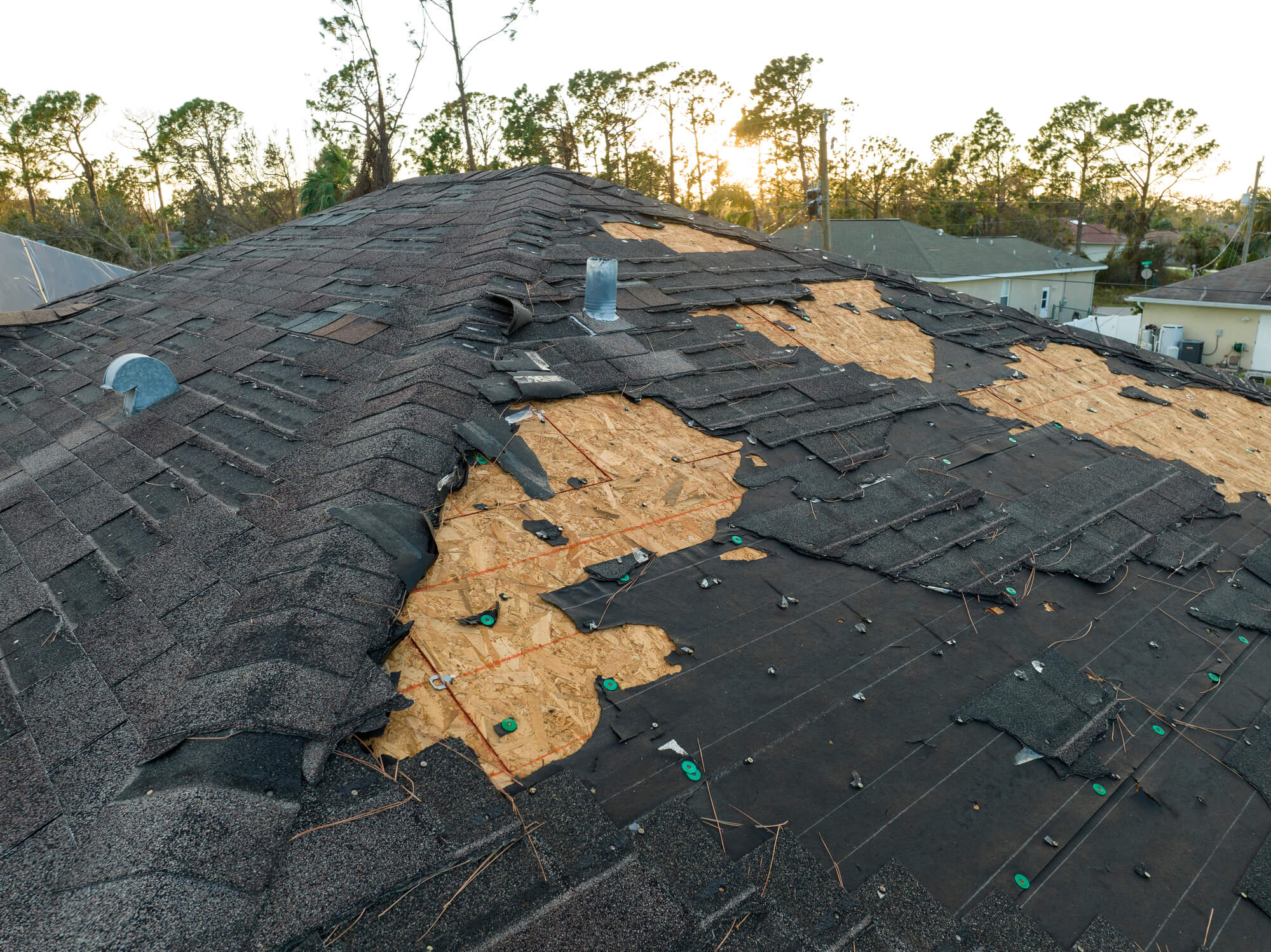

How long does a roof last? The answer depends on several factors, including the roofing material, installation quality, weather conditions, maintenance, roof design, and the age of the property. Some roofs can remain in good condition for several decades, while others may need major repairs or replacement much sooner.
For homeowners, understanding the expected lifespan of a roof can make it easier to plan maintenance, recognise warning signs and budget for future work. A roof that looks fine from the ground may still have ageing materials or hidden problems that need attention.
How long does a roof last on average?
There is no single lifespan that applies to every roof. Different roofing materials have different expected service lives, and the condition of the roof can vary considerably depending on how it has been maintained.
As a general guide, many common residential roofing materials can last for the following periods:
| Roofing material | Typical lifespan |
|---|---|
| Concrete roof tiles | Around 40–60 years |
| Clay roof tiles | Around 50–100 years or more |
| Natural slate | Around 75–100+ years |
| Metal roofing | Around 40–70 years |
| Asphalt shingles | Around 15–30 years |
| Flat roofing systems | Around 15–40 years, depending on material |
These figures are only broad estimates. A well-installed roof in a suitable environment may last longer than expected, while poor installation, severe weather or neglected maintenance can shorten its useful life.
The roof's supporting structure also matters. Even when the outer covering remains serviceable, timber, underlay, flashing, fixings or other components may require repair or replacement.
How long does a roof last by material?
The material used on a roof is one of the biggest factors affecting its lifespan. Each material reacts differently to moisture, temperature changes, sunlight, wind and physical damage.
Concrete roof tiles
Concrete tiles are widely used because they are durable and relatively practical for residential properties. A properly installed concrete tiled roof can often last for several decades.
Over time, tiles can become weathered, cracked or porous. Individual damaged tiles can usually be replaced without replacing the entire roof.
The fixings and supporting components should also be inspected, particularly on older roofs. A roof may appear sound while some of the underlying materials have deteriorated.
Clay roof tiles
Clay tiles can have a long service life when they are properly manufactured, installed and maintained. Some traditional clay tiled roofs have remained in service for many decades.
Their durability does not mean they are maintenance-free. Individual tiles can crack or become displaced, especially following storms or impact.
Older clay tiles may also become difficult to match if replacements are needed, which can make repairs more complicated.
Natural slate
Natural slate is one of the longest-lasting roofing materials when good-quality slate is installed correctly. Some slate roofs can remain functional for many decades and potentially reach a century or more.
However, the quality of the slate, fixings, workmanship and supporting structure all matter. A slate roof should not automatically be considered problem-free simply because slate itself is durable.
Metal roofing
Metal roofs can have a long lifespan, particularly when the correct material and protective finish are used.
The condition of the metal, fasteners, joints, coatings and areas around penetrations should be monitored. Corrosion, damaged coatings and poorly sealed joints can eventually lead to problems.
Asphalt shingles
Asphalt shingles generally have a shorter lifespan than many traditional tiled or slate roofing systems. Their longevity depends on product quality, installation, ventilation and exposure to weather.
Ageing shingles may become brittle, lose their protective surface and become more vulnerable to damage.
Flat roofs
Flat roofs can have very different lifespans because several materials are used for this type of construction.
Common systems include felt, EPDM rubber, GRP fibreglass and single-ply membranes. Some can provide many years of service when correctly installed, while poor drainage or installation problems can shorten their lifespan significantly.
Flat roofs deserve particular attention because standing water, blocked drainage and damaged membranes can accelerate deterioration.
What affects the lifespan of a roof?
The roofing material is important, but it is not the only factor. Two roofs made from the same material can have very different lifespans.
Several factors can affect how long a roof remains in good condition.
Installation quality
Poor workmanship can cause problems from the beginning. Incorrectly installed tiles, inadequate flashing, poor detailing around roof windows or chimneys, and unsuitable fixings can all create weaknesses.
A high-quality installation helps the roof cope with normal weather and reduces the risk of premature problems.
Weather exposure
Roofs are constantly exposed to the elements. Strong winds, heavy rain, frost, snow, sunlight and rapid temperature changes can gradually affect roofing materials.
Properties in exposed locations may experience more wind-related damage than those in sheltered areas.
Roof ventilation
Adequate ventilation can help control moisture and condensation within the roof space. Poor ventilation may contribute to dampness and deterioration of timber and insulation.
The appropriate ventilation arrangement depends on the roof design, insulation and construction, so changes should be planned carefully.
Maintenance
Regular maintenance can help identify small problems before they become more expensive ones.
Replacing a few damaged tiles, clearing blocked gutters or repairing deteriorating flashing may be much simpler than dealing with extensive water damage later.
Maintenance does not make a roof last indefinitely, but it can help preserve its condition.
Roof design and pitch
The design of a roof affects how water drains and how exposed different areas are to wind and rain.
A steeply pitched roof may shed rainwater differently from a low-pitched roof. Flat and low-slope roofs require particular attention to drainage because water needs to be directed away effectively.
Surrounding trees
Trees close to a property can affect a roof in several ways. Falling branches can cause physical damage, while leaves and other debris can block gutters and drainage points.
Branches that repeatedly rub against roofing materials can also cause wear.
How old is your roof?
Knowing the approximate age of your roof is useful when considering its remaining service life.
If a roof is relatively young and has been maintained properly, minor defects may be all that need attention. An older roof may require a more detailed inspection even if there are no obvious leaks.
Age alone does not mean a roof needs replacing. A well-maintained older roof can sometimes remain serviceable for years, while a poorly installed newer roof may develop problems much earlier.
Signs that your roof may be reaching the end of its life
A roof does not normally fail all at once. There are often warning signs that its condition is deteriorating.
Look out for:
- Frequent leaks or damp patches
- Missing, cracked or slipped tiles
- Damaged or deteriorating roof coverings
- Sagging areas
- Damaged flashing around chimneys and roof junctions
- Water pooling on a flat roof
- Persistent dampness in the loft
- Excessive moss or debris
- Daylight visible through parts of the roof structure
- Repeated repairs in the same areas
- Deteriorating underlay or roof timbers
- Damaged gutters or roof drainage
One warning sign does not necessarily mean the entire roof needs replacement. The cause and extent of the problem need to be assessed.
Does a roof need replacing because of its age?
Not necessarily. Roof age is useful information, but it should not be the only reason for replacement.
For example, an older slate roof may still have many serviceable components, while a newer roof may have serious defects caused by poor installation or storm damage.
A professional inspection can help determine whether the roof needs routine maintenance, local repairs, more extensive work or complete replacement.
Replacing a roof before it is necessary can be an unnecessary expense. On the other hand, delaying major work on a roof that is seriously deteriorated can allow water to damage insulation, ceilings, timber and other parts of the building.
How often should a roof be inspected?
There is no universal inspection schedule for every property, but homeowners should pay attention to the roof regularly and arrange professional inspections when there are concerns.
It is particularly sensible to inspect a roof after severe weather, especially if there have been strong winds or heavy rainfall.
Older roofs may also benefit from more frequent professional assessment, particularly if they have a history of leaks or repeated repairs.
You do not necessarily need to climb onto the roof yourself. Looking from ground level and checking the loft for signs of moisture can provide useful information, while roof inspections at height are generally better left to appropriately equipped professionals.
What maintenance can help a roof last longer?
Good maintenance does not stop natural ageing, but it can help prevent avoidable damage.
Useful maintenance tasks include:
- Checking gutters and downpipes for blockages
- Replacing broken or missing tiles
- Checking flashing around roof junctions
- Looking for signs of leaks in the loft
- Removing problematic debris
- Checking flat roof drainage
- Monitoring areas around chimneys and roof windows
- Keeping nearby trees appropriately maintained
- Investigating damp patches promptly
Any work that requires access to the roof should be carried out safely and, where appropriate, by a qualified professional.
How much does roof maintenance cost?
Roof maintenance costs can vary considerably. A simple repair involving one or two damaged tiles may be relatively inexpensive, while extensive repairs can cost much more.
The final price depends on factors such as:
- The location of the property
- Roofing material
- Labour rates
- Roof size
- Roof height and accessibility
- The extent of the damage
- Whether scaffolding is required
- Whether underlying timber or other components need repair
- The specific requirements of the project
For example, replacing a small number of broken tiles is very different from repairing widespread water damage beneath the roof covering.
It is sensible to get a clear quotation that explains what work is included rather than choosing a contractor based only on the lowest headline price.
How much does roof replacement cost?
Roof replacement is a major project, so costs can vary widely between properties.
The total price may include removal and disposal of the existing roof covering, new materials, labour, scaffolding, insulation, underlay, battens, flashing and other associated work.
Roof size is an important factor, but it is not the only consideration. A large, simple roof may be easier to work on than a smaller roof with multiple slopes, valleys, chimneys and roof windows.
Location also affects labour and material costs. For this reason, online estimates should be treated as general guidance rather than a guaranteed price.
Can a roof be repaired instead of replaced?
In many cases, yes. Repair can be a sensible option when damage is limited to a specific area and the majority of the roof remains in good condition.
For example, a small number of broken tiles, damaged flashing or a localised leak may be repairable without replacing the whole roof.
Replacement becomes more worth considering when deterioration is widespread, the roof is approaching the end of its practical service life, or repeated repairs are no longer providing a reliable solution.
The decision should be based on the overall condition rather than simply the age of the roof.
What about partial roof replacement?
A partial replacement can sometimes provide a middle ground between a small repair and a complete replacement.
For instance, a particular roof section may have suffered significant damage while other sections remain in reasonable condition.
However, matching older roofing materials can sometimes be difficult. There may also be differences in appearance between new and weathered materials.
A roofing professional can assess whether partial replacement is technically appropriate and likely to provide a sensible long-term result.
Does a new roof increase the value of a property?
A well-maintained roof can be an important part of a property's overall condition. Buyers are generally more comfortable when major building components appear to have been properly maintained.
However, the value added by a new roof is not straightforward. It depends on the property, local market, quality of the work and other improvements.
A roof replacement should therefore be viewed primarily as a way of maintaining or improving the building rather than assuming it will automatically add a specific amount to the property's sale price.
A practical example
Imagine a tiled roof that is around 20 years old. During a routine inspection, the homeowner discovers several cracked tiles and damaged flashing around a chimney.
The roof structure is sound, there is no widespread dampness and most of the tiles remain in good condition.
In this situation, replacing the damaged tiles and repairing the flashing may be more appropriate than replacing the entire roof.
Now consider a much older roof with widespread cracked or deteriorating materials, recurring leaks, damaged underlay and evidence of problems with the supporting timbers.
A complete replacement may make more sense because repairing individual defects may only provide a temporary solution.
The important point is that the same age does not automatically mean the same decision for every roof.
Common mistakes homeowners should avoid
One common mistake is assuming that a roof only needs attention when water is visibly entering the house. By that point, moisture may already have affected other parts of the building.
Another mistake is ignoring small problems because they appear inexpensive to fix. A damaged tile or deteriorating flashing may be simple to address when discovered early.
Homeowners should also avoid assuming that the cheapest quotation is automatically the best option. The materials, preparation, workmanship and scope of work should all be considered.
Finally, avoid deciding on full replacement based solely on a roof's age. Condition, construction and repair history are equally important.
Frequently asked questions
How long does a roof last in the UK?
It depends mainly on the roofing material, installation quality, maintenance and exposure to weather. Many tiled roofs can last for several decades, while natural slate can potentially last much longer. Flat roofs and some other systems may have shorter service lives.
Can a 30-year-old roof still be good?
Yes. Age does not automatically mean a roof needs replacing. A 30-year-old roof that has been properly installed and maintained may still be serviceable, although its condition should be assessed carefully.
How do I know when my roof needs replacing?
Recurring leaks, widespread damaged roofing materials, sagging, deteriorating underlay, structural problems and repeated repair requirements can indicate that replacement should be considered. A professional inspection can help determine the appropriate solution.
Does cleaning a roof make it last longer?
Keeping gutters and drainage systems clear can help prevent water-related problems. However, aggressive cleaning methods can damage some roofing materials. Maintenance should be appropriate for the specific roof.
Is it cheaper to repair or replace a roof?
A repair is usually less expensive than replacing an entire roof when the damage is limited. However, repeated repairs on a seriously deteriorated roof can become poor value over time. The right choice depends on the roof's overall condition and the extent of the work required.
Should I replace my roof before selling my house?
Not necessarily. Whether replacement makes sense depends on the roof's condition, the property's market position and the likely cost of the work. In some cases, necessary repairs and good maintenance may be more appropriate than full replacement.
Conclusion
So, how long does a roof last? There is no fixed answer because roof lifespan depends on the material, installation, maintenance, weather exposure, design and overall condition.
Concrete and clay tiles can provide decades of service, while natural slate can last considerably longer when properly installed and maintained. Other roofing systems may have shorter expected lifespans but can still provide reliable protection when correctly specified and cared for.
The best approach is to look beyond the roof's age. Regular inspections, prompt repairs and good maintenance can help identify problems before they become major issues. When a roof is older or showing several signs of deterioration, a professional assessment can help you decide whether repair, partial replacement or a completely new roof is the most sensible option.
Understanding the expected lifespan of your roofing materials and keeping track of their condition can make future maintenance easier and help you plan for major work before it becomes an emergency.