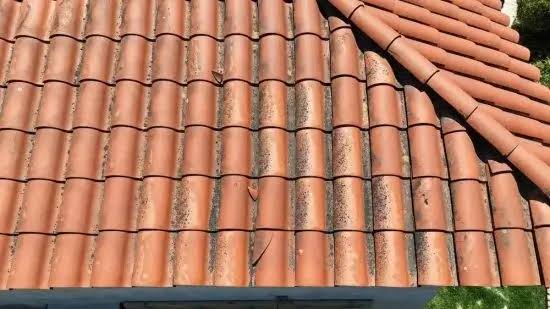

Common roofing problems homeowners should know about can range from minor issues, such as a slipped tile, to more serious concerns involving leaks, damaged roof structures or poor drainage. Spotting problems early can help prevent a small defect from developing into expensive damage.
Your roof is exposed to wind, rain, temperature changes and other weather conditions throughout the year. Over time, even a well-built roof can develop signs of wear. Regular checks can help you identify problems before they affect ceilings, walls, insulation or other parts of the property.
Understanding the most common roofing problems also makes it easier to know when a simple repair may be sufficient and when professional advice is needed.
Why do roofing problems develop?
Roofing problems can develop for many different reasons. Age is one factor, but it is not the only one.
Poor installation, severe weather, inadequate maintenance and unsuitable materials can all contribute to deterioration. Problems can also occur around areas where different parts of the roof meet, such as chimneys, valleys, roof windows and extensions.
Some defects are immediately visible, while others may remain hidden until water enters the roof space.
Common causes include:
- Natural ageing
- Storm and wind damage
- Poor workmanship
- Blocked gutters and drainage
- Damaged flashing
- Condensation and inadequate ventilation
- Broken or missing tiles
- Deteriorating flat roof membranes
- Problems with roof timbers
- Moss, leaves and accumulated debris
Knowing what to look for can help homeowners respond before the damage becomes more extensive.
Roof leaks
Roof leaks are among the most common problems homeowners encounter. A leak may appear as a damp patch on a ceiling, water staining around a chimney or moisture in the loft.
Finding the exact source can sometimes be difficult because water can travel along roofing materials or timber before entering the room below.
A leak does not always mean that the entire roof needs replacing. It may be caused by a damaged tile, failed flashing, a problem around a roof window or another localised defect.
Leaks should not be ignored, even if they appear to stop after dry weather. Water may still be entering the roof during heavy rainfall.
Missing or broken roof tiles
Tiles can become cracked, broken or displaced because of strong winds, impact, ageing or problems with fixings.
A missing tile can leave the underlying roof structure more exposed to rain. Broken tiles can also allow moisture to enter areas that are normally protected.
Replacing individual damaged tiles may be relatively straightforward when the surrounding roof remains in good condition.
However, repeatedly damaged tiles may indicate a wider issue with the roof, fixings or supporting materials.
Damaged or deteriorating flashing
Flashing is used around vulnerable areas of a roof, including chimneys, roof junctions and some roof windows. Its purpose is to help prevent water from entering through joints.
Over time, flashing can crack, loosen, corrode or become damaged by weather.
Because flashing is installed at areas where water needs to be directed away from the building, defects can lead to leaks.
If dampness repeatedly appears around a chimney or roof junction, damaged flashing should be one of the possible causes considered.
Blocked gutters
Gutters play an important role in directing rainwater away from the roof and walls.
Leaves, moss, dirt and other debris can accumulate in gutters, particularly on properties surrounded by trees. When water cannot flow properly, it may overflow against walls or collect around parts of the roof.
Blocked gutters can also place additional strain on gutter joints and downpipes.
Regularly checking and clearing gutters can help reduce avoidable drainage problems. Homeowners should use appropriate safety precautions, particularly where gutters are difficult to access.
Damaged or blocked downpipes
A gutter may appear clean while the connected downpipe is partially blocked.
When rainwater cannot travel through the downpipe efficiently, it may back up and overflow from the gutter.
Signs of a drainage problem can include water spilling over the gutter during rain, damp areas around the external wall or unusually wet ground near the property.
Downpipes should be checked as part of general roof drainage maintenance.
Sagging roof areas
A roof that appears to sag or dip may indicate a problem that needs professional attention.
Sagging can be associated with weakened roof timbers, excessive loads, moisture damage or other structural issues.
It should not be treated as a cosmetic problem without investigating the underlying cause.
If a roofline looks noticeably uneven compared with how it was previously, it is sensible to arrange an inspection rather than attempting to correct the appearance yourself.
Roof condensation
Condensation occurs when warm, moist air comes into contact with colder surfaces. In roof spaces, this can happen when moisture from inside the property reaches cold parts of the roof structure.
Poor ventilation can contribute to condensation problems, although the exact cause depends on the construction of the roof and the way the property is used.
Signs may include moisture on roof components, damp insulation or a musty smell in the loft.
Improving ventilation may help in some situations, but the cause should be properly identified before making changes to the roof.
Damp or damaged roof timbers
Roof timbers can be affected by prolonged moisture exposure.
Water entering through a damaged roof covering or failed flashing may eventually reach timber components. Persistent condensation can also contribute to moisture-related deterioration.
Damaged timber may weaken parts of the roof structure, depending on the extent and location of the problem.
If timber appears damp, softened, significantly deteriorated or otherwise abnormal, professional assessment is advisable.
Moss and organic growth
Moss is common on many roofs, particularly in damp or shaded locations.
A small amount of moss does not automatically mean a roof is failing. However, heavy growth can retain moisture and may interfere with drainage in some circumstances.
Moss can also become dislodged and contribute to blocked gutters and drainage channels.
Care should be taken when removing moss because unsuitable cleaning methods or excessive pressure can damage roofing materials.
Damaged roof valleys
Roof valleys are the channels where two sloping sections of a roof meet. They are important because they collect and direct rainwater towards the drainage system.
Because valleys handle significant amounts of water, defects in these areas can cause leaks.
Problems can include cracked materials, damaged lining, accumulated debris and poor detailing.
A leak near the point where two roof slopes meet should be investigated carefully rather than assuming that the visible area is the only source of the problem.
Problems around roof windows
Roof windows and skylights create additional junctions in a roof. Their installation needs to be properly sealed and integrated with the surrounding roofing materials.
Leaks around a roof window may result from damaged seals, flashing problems, ageing materials or installation defects.
Condensation on the inside of a roof window is not necessarily evidence of a roof leak, as it may be caused by indoor humidity.
Persistent water staining or dampness around the frame should, however, be investigated.
Flat roof problems
Flat roofs have different maintenance requirements from pitched roofs.
One common issue is standing water. A properly designed flat roof should have suitable drainage, but blocked outlets, poor falls or deterioration can prevent water from draining effectively.
Other problems include:
- Cracks or splits in the covering
- Blisters
- Loose edges
- Damaged joints
- Failed seals
- Deteriorating membranes
- Blocked outlets
The appropriate repair depends on the roofing system and the extent of the damage.
Cracks and splits in roofing materials
Different roofing materials can develop cracks or splits as they age.
For tiles, cracks may result from impact, weather exposure or material deterioration. Flat roof membranes can also develop splits or surface damage.
A small defect should not automatically be ignored. Water can enter through surprisingly small openings, particularly during prolonged or heavy rainfall.
The earlier a defect is identified, the more options there may be for a localised repair.
Roof ventilation problems
A roof space needs suitable ventilation for its particular construction.
Poor ventilation can contribute to condensation and moisture-related problems. However, ventilation should not simply be increased without considering insulation, air movement and the design of the roof.
Blocking existing ventilation openings can also create problems.
If condensation is persistent, it is better to identify why moisture is accumulating rather than treating the visible moisture alone.
Damaged roof underlay
Underlay is installed beneath many pitched roofing systems and provides an additional layer of protection.
With age, underlay can deteriorate, become damaged or lose some of its effectiveness.
Problems may not be obvious from outside because the underlay sits beneath the main roof covering.
If a roof is being repaired or refurbished, the condition of the underlay should be considered, particularly on older roofs.
Problems with roof fixings
Roofing materials depend on suitable fixings to remain secure.
Over time, fixings can deteriorate or become less effective. Strong winds can also expose weaknesses in poorly secured materials.
If tiles repeatedly slip or become displaced, replacing the individual tiles without investigating the cause may not solve the underlying problem.
A professional inspection can determine whether the issue is localised or affects a larger section of the roof.
Chimney-related roofing problems
Chimneys can create several potential maintenance points on a roof.
Problems may include deteriorating mortar, damaged flashing, cracked components or water entering around the chimney base.
A chimney that appears structurally sound from ground level may still have defects that are difficult to see.
Because the chimney and roof intersect, water damage in this area can sometimes be mistaken for a general roof leak.
Roof damage after storms
Strong winds can cause tiles, slates, flashing and other roof components to become loose or damaged.
Heavy rainfall can expose existing weaknesses, while falling branches can cause physical damage.
After severe weather, it is useful to check the roof from a safe position for obvious signs of damage. Look for missing tiles, unusual debris and changes to the roofline.
Avoid climbing onto a damaged roof to investigate it yourself. A professional can assess areas that cannot be safely reached from the ground.
How to identify common roofing problems early
Early detection can prevent some roofing issues from becoming more serious.
Homeowners can periodically look for visible changes from ground level and check the loft for signs of moisture.
Useful warning signs include:
- New water stains on ceilings
- Damp patches in the loft
- Missing or damaged tiles
- Loose roofing materials
- Sagging areas
- Blocked or overflowing gutters
- Damaged flashing
- Persistent condensation
- Unusual smells in the loft
- Light visible through areas that should be enclosed
A simple visual check cannot identify every roofing defect, but it can help you recognise when further investigation may be appropriate.
When should you call a roofing professional?
Not every roofing problem requires immediate full-scale work, but some situations should be assessed promptly.
Professional advice is particularly appropriate when there is:
- A persistent or significant leak
- A visibly sagging roof
- Widespread tile or slate damage
- Evidence of structural deterioration
- Repeated leaks after previous repairs
- Significant storm damage
- Extensive dampness in the roof space
- Problems that cannot be safely inspected from ground level
Roof work can involve significant safety risks, so homeowners should avoid taking unnecessary risks when trying to inspect or repair high areas themselves.
Can common roofing problems be repaired?
Many roofing problems can be repaired, particularly when they are identified early.
For example, a contractor may be able to replace damaged tiles, repair flashing, clear drainage systems or address a localised leak without replacing the entire roof.
However, extensive deterioration may require more substantial work.
The appropriate solution depends on the age and condition of the roof, the roofing material, the extent of the damage and whether there are underlying structural problems.
How much do roofing repairs cost?
There is no single price for roofing repairs because every project is different.
A small repair involving a few tiles may cost much less than work involving scaffolding, extensive water damage or structural repairs.
Costs can vary according to:
- Property location
- Roofing material
- Labour rates
- Roof size
- Roof height and accessibility
- Extent of damage
- Scaffolding requirements
- Materials required
- Additional structural or drainage work
For example, repairing a small section of damaged flashing is very different from replacing a large area of roof covering and repairing water-damaged timber.
Before approving significant work, ask for a clear quotation explaining what is included.
How to prevent roofing problems
Although no roof lasts forever, sensible maintenance can reduce some avoidable problems.
A useful maintenance routine can include checking gutters, monitoring the roof after severe weather and investigating leaks quickly.
It is also helpful to keep an eye on areas that commonly develop defects, such as chimneys, valleys, roof windows and flat roof drainage points.
Homeowners should keep records of major repairs and roof work. Knowing when materials were installed or replaced can make future maintenance decisions easier.
A practical example
Consider a homeowner who notices a small damp patch on a bedroom ceiling after heavy rain.
Instead of assuming the whole roof needs replacement, they arrange an inspection. The inspection identifies a damaged section of flashing near a roof junction.
The damaged flashing is repaired, the surrounding area is checked and no wider structural problem is found.
In this situation, a targeted repair may be more appropriate than a complete roof replacement.
Now imagine another property with repeated leaks, widespread damaged tiles, deteriorating underlay and evidence of damaged roof timbers.
Although individual repairs might address some symptoms, the overall condition could justify more extensive renovation or replacement.
The key lesson is that the visible symptom is not always the full problem. Finding the underlying cause is important.
Common mistakes homeowners should avoid
One mistake is waiting until a leak becomes severe before investigating it. Early signs of moisture should be taken seriously.
Another is assuming that every old roof needs immediate replacement. Some older roofs remain serviceable and may only need maintenance or targeted repairs.
Homeowners should also avoid carrying out unsafe roof work simply to save money. Falling from a roof or ladder can cause serious injury.
Finally, do not rely solely on a quick visual inspection from the pavement when deciding whether a roof is structurally sound. Some defects are hidden beneath the roof covering or within the roof space.
Frequently asked questions
What are the most common roofing problems homeowners should know?
Some of the most common problems include leaks, broken or missing tiles, damaged flashing, blocked gutters, condensation, moss, flat roof deterioration, damaged underlay and problems with roof timbers.
How do I know if my roof has a leak?
Signs can include damp patches, water staining, dripping water, mould or moisture in the loft. However, the location where water appears inside the property may not be directly below the point where it enters the roof.
Does a roof leak mean I need a new roof?
Not necessarily. A leak can be caused by a relatively small defect, such as damaged flashing or a broken tile. If the roof is otherwise in good condition, a localised repair may be sufficient.
How often should I check my roof?
It is sensible to keep an eye on the roof throughout the year and pay particular attention after severe weather. Gutters and drainage should also be checked regularly. Older roofs or roofs with a history of problems may need more detailed inspections.
Can moss damage a roof?
Moss does not automatically mean that a roof is damaged, but heavy growth can retain moisture and interfere with drainage in some situations. It should be dealt with using a method suitable for the particular roofing material.
When should a roof be replaced rather than repaired?
Replacement may be appropriate when deterioration is widespread, the roof has reached the end of its practical service life, structural problems are significant or repeated repairs are no longer providing a sensible long-term solution. The decision should be based on the roof's overall condition rather than age alone.
Conclusion
Common roofing problems homeowners should know about include leaks, broken tiles, damaged flashing, blocked gutters, condensation, moss, roof ventilation issues, flat roof deterioration and structural defects. Many of these problems can be managed more effectively when they are identified early.
Regular visual checks, sensible maintenance and prompt attention to warning signs can help protect the roof and the rest of the property. Small repairs may sometimes prevent more extensive damage, while serious or recurring problems may require a more detailed assessment.
The most important step is to understand the condition of the roof rather than assuming that every problem requires either a quick patch or a complete replacement. When the cause is unclear or the work involves significant height or structural concerns, professional assessment can help determine the safest and most appropriate solution.