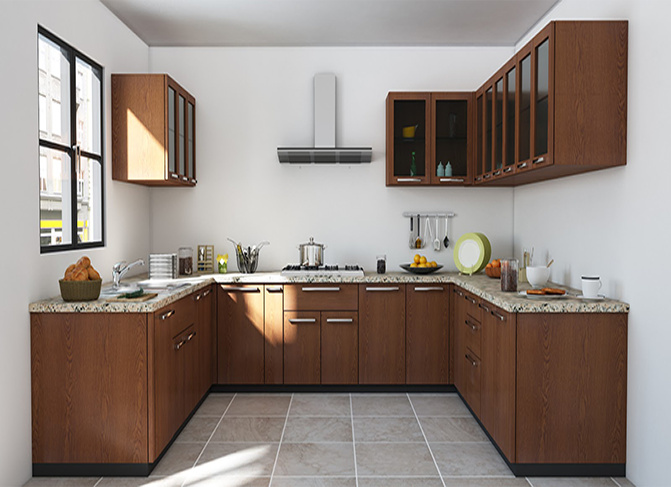

Choosing the best kitchen countertop materials is an important part of planning a kitchen renovation. A worktop needs to look good, but it also has to cope with everyday cooking, cleaning, heat, moisture and regular use. The right choice depends on your budget, lifestyle, preferred appearance and willingness to maintain the surface.
There is no single countertop material that is perfect for every kitchen. Laminate may suit someone looking for an affordable and versatile option, while natural stone or engineered surfaces may appeal to homeowners who prioritise a particular appearance or performance characteristic.
Best kitchen countertop materials to consider
The most commonly considered countertop materials include laminate, solid wood, granite, quartz, marble, porcelain and stainless steel. Each has different advantages, limitations, maintenance requirements and price points.
A quick comparison can help:
| Material | Main advantage | Main consideration |
|---|---|---|
| Laminate | Affordable and versatile | Can be damaged by excessive heat or moisture |
| Solid wood | Warm, natural appearance | Requires regular care |
| Granite | Natural stone with individual patterns | Can be expensive and needs appropriate care |
| Quartz | Consistent appearance and low routine maintenance | Usually costs more than basic laminate |
| Marble | Distinctive natural appearance | Can stain or scratch more easily |
| Porcelain | Hard-wearing and heat resistant | Installation can require specialist skills |
| Stainless steel | Hygienic and heat resistant | Scratches and marks can be visible |
Costs vary according to location, material quality, thickness, kitchen size, edge details, cut-outs, delivery and installation. Bespoke shapes or specialist fitting can also increase the final price.
Laminate worktops
Laminate is one of the most widely available countertop options and can be suitable for homeowners working with a limited renovation budget.
Modern laminate worktops come in many patterns and finishes. Some are designed to resemble timber, stone or other materials.
Advantages include:
- Relatively affordable options
- Many colours and patterns
- Easy routine cleaning
- Wide availability
- Straightforward design choices
However, laminate has limitations. The surface can be damaged by excessive heat, sharp objects or moisture entering exposed edges and joints.
Hot pans should not be placed directly on the surface unless the manufacturer's instructions specifically allow it.
Laminate can be a practical choice for a rental property, family kitchen or budget-conscious renovation where appearance and affordability are important.
Solid wood worktops
Solid wood provides a warm and natural appearance that can work well with traditional, modern or country-style kitchens.
Common timber choices include oak and other hardwoods, although the exact options vary by supplier.
One advantage of wood is that it can potentially be sanded and refinished if the surface becomes marked over time.
However, solid wood requires more care than some manufactured surfaces.
Water should not be allowed to sit around sinks and joints for extended periods. The surface may also need periodic treatment according to the manufacturer's recommendations.
Wood can change slightly with changes in moisture and temperature, so appropriate installation and maintenance are important.
Granite worktops
Granite is a natural stone that has long been used for kitchen worktops.
Each slab can have its own pattern, colour variations and natural characteristics, giving the kitchen an individual appearance.
Granite is generally hard and resistant to everyday wear. It can also tolerate substantial heat, although using trivets or heat protection is still sensible because sudden temperature changes can potentially affect some stone surfaces.
Granite is heavier than many other worktop materials, so the cabinets need to provide suitable support.
Depending on the type of granite selected, thickness, edge profile and installation requirements, the cost can be considerably higher than basic worktop options.
Quartz worktops
Quartz worktops are engineered surfaces made using quartz combined with other materials and binders.
They are available in a wide range of colours and patterns, including designs intended to resemble natural stone.
One attraction is their relatively consistent appearance. They can also be straightforward to maintain as part of normal kitchen cleaning.
However, quartz surfaces are not completely resistant to damage. Extreme heat can affect some products, so manufacturer guidance should be followed and heat protection used where appropriate.
Quartz can be a suitable choice for homeowners who want a stone-like appearance with relatively straightforward routine maintenance.
Marble worktops
Marble is known for its distinctive natural appearance and has been used in kitchens for many years.
It can provide a sophisticated appearance, with natural veining making each piece different.
However, marble requires more consideration than some other countertop materials.
It can be susceptible to staining, scratching and etching from certain substances. Acidic foods and liquids can affect some marble surfaces if left in contact with them.
Regular care and appropriate sealing, where required, can help protect the material.
Marble may therefore be better suited to homeowners who appreciate its natural character and are prepared to maintain it carefully.
Porcelain worktops
Porcelain worktops have become an option for homeowners looking for a hard-wearing surface with a contemporary appearance.
Porcelain can be resistant to heat, staining and everyday wear, although the exact performance depends on the product.
Large-format porcelain slabs can create a clean appearance with fewer visible joins.
One important consideration is installation. Cutting and handling large slabs requires appropriate equipment and experience because incorrect handling can result in damage.
For this reason, installation costs can be an important part of the overall budget.
Stainless steel worktops
Stainless steel is commonly associated with professional kitchens because it is easy to clean and suitable for environments where hygiene is important.
It is highly resistant to heat and does not absorb liquids in the same way as some porous materials.
Stainless steel can create a modern, industrial appearance and works particularly well in kitchens with a contemporary design.
The main drawback for some homeowners is appearance. The surface can show fingerprints, water marks and scratches.
Over time, these marks can become part of the character of the worktop, but anyone looking for a completely unmarked surface may prefer another material.
Best material for a busy family kitchen
A busy family kitchen needs a surface that can cope with frequent preparation, spills and cleaning.
There is no universal answer because different families have different priorities.
For example, someone who wants minimal routine maintenance might consider an engineered surface, while someone focused mainly on affordability may prefer laminate.
A family that enjoys baking may also have different requirements from someone who mainly prepares simple meals.
Think about how you actually use the kitchen before selecting the material.
Best countertop for a budget renovation
If keeping the renovation cost under control is the main priority, laminate is often worth considering.
It offers many design choices without requiring the budget associated with some natural and engineered stone products.
However, compare the complete installation cost.
A worktop that appears inexpensive may require additional components, specialist cutting, delivery or installation.
Always compare quotations based on the finished project rather than just the cost per metre.
Best countertop for a traditional kitchen
Solid wood can work particularly well in traditional kitchens.
Its natural grain can complement painted cabinets, classic handles and other traditional features.
Wood can also be combined with other worktop materials. For example, a timber surface could be used on an island while another material is used around the sink and cooking area.
This can create visual variety while placing different materials where their characteristics are most useful.
Best countertop for a modern kitchen
Modern kitchens often use clean lines and simple finishes.
Quartz, porcelain and stainless steel can all work well with contemporary cabinetry.
A simple worktop with minimal visual clutter can help maintain a clean appearance.
The best option depends on the rest of the kitchen, including cabinet colour, flooring, splashback and lighting.
Consider maintenance before buying
A worktop can look impressive in a showroom but may not suit your daily routine.
Ask yourself how much maintenance you are willing to carry out.
For example, some natural stone and timber surfaces may require more care than other materials.
Consider:
- Cleaning requirements
- Sealing requirements
- Resistance to staining
- Resistance to scratches
- Heat resistance
- Moisture exposure
- Repair options
A material that requires occasional maintenance is not necessarily a poor choice. The important thing is to understand those requirements before buying.
Think about heat resistance
Kitchen worktops are exposed to hot pans, baking trays and other heated items.
Different materials respond differently to heat.
Even when a worktop has good heat resistance, it is sensible to use trivets or heat mats unless the manufacturer specifically states that direct contact is suitable.
Pay particular attention to joints, edges and cut-outs, where the construction of the worktop may differ from the main surface.
Consider moisture around the sink
The area around a sink receives a lot of water.
A suitable worktop should be installed correctly and joints should be appropriately sealed where required.
Timber requires particular care around wet areas. Laminate can also be vulnerable if water reaches exposed edges or damaged areas.
Good installation is therefore just as important as choosing a suitable material.
Think about scratches and everyday wear
No countertop is completely immune to wear.
Some surfaces hide small marks better than others because of their colour, pattern and finish.
A highly polished dark surface, for example, may show certain marks more clearly than a patterned or textured surface.
Consider how much you value a perfectly uniform appearance.
For some homeowners, natural marks and signs of use add character. Others prefer a surface that remains visually consistent.
Consider the thickness and edge profile
Countertop cost is affected not only by the material but also by its thickness and edge design.
A thicker-looking worktop can create a substantial visual effect, while a simple edge can help keep the design understated.
More complex edge profiles may require additional manufacturing work.
Discuss the available options with your supplier and compare the price difference before making a decision.
Do not forget cut-outs
Sinks and hobs usually require openings to be cut into the worktop.
These cut-outs can affect the cost, particularly when working with stone, porcelain or other specialist materials.
You may also need additional work around taps, appliances or other fittings.
When requesting a quotation, provide accurate appliance and sink specifications so the supplier can price the work properly.
Consider the overall kitchen design
The countertop should work with the rest of the kitchen.
Before choosing a material, consider the cabinet colour and style, flooring, splashback, walls and appliances.
If the cabinets already have a strong pattern, a simpler worktop may create better visual balance.
If the cabinets are plain, a naturally patterned stone or stone-effect surface could provide more visual interest.
Ordering physical samples can be useful because colours can appear different under showroom and home lighting.
Can different countertop materials be combined?
Yes. Using two materials can be a practical design choice.
For example, a kitchen island could have a timber worktop while the main preparation area uses another material.
This approach can help create separate zones and introduce contrast.
However, different materials may have different maintenance requirements. Consider how the surfaces will meet and whether their heights and installation requirements are compatible.
Think about sustainability and lifespan
The environmental impact of a worktop can depend on the material, manufacturing process, transportation, lifespan and how it is eventually disposed of.
Rather than focusing on one feature alone, consider the complete product.
A durable worktop that remains useful for many years may reduce the need for frequent replacement.
You can also ask suppliers about the materials they use, product longevity and available repair or replacement options.
Get professional installation when necessary
Some countertop materials are relatively straightforward to work with, while others require specialist tools and experience.
Large stone and porcelain slabs can be particularly difficult to handle and cut safely.
Professional installation can help ensure the worktop is correctly supported, level and fitted around sinks and appliances.
If specialist installation is required, include the labour in your renovation budget from the beginning.
How to compare countertop quotes
When comparing quotations, make sure each supplier is pricing the same requirements.
Ask whether the quotation includes:
- Material
- Measurements
- Template creation
- Cut-outs
- Edge finishing
- Delivery
- Installation
- Joining
- Sink fitting
- Disposal of the old worktop
This makes it easier to identify the actual cost of each option.
Frequently asked questions
What are the best kitchen countertop materials for a budget?
Laminate is often considered when affordability is a priority because it is available in many designs and price ranges. The final cost still depends on the kitchen size, product specification, labour, location and installation requirements.
Which kitchen worktop is easiest to maintain?
Several materials can be relatively straightforward to maintain with normal cleaning. Engineered surfaces, laminate and stainless steel can all be practical options, although each has different care requirements and limitations.
Is quartz better than granite for kitchen worktops?
Quartz and granite have different characteristics rather than one being universally better. Quartz offers a more consistent manufactured appearance and relatively straightforward routine care, while granite provides natural patterns and stone characteristics. The appropriate choice depends on your priorities.
Are wooden kitchen worktops a good idea?
Wood can be an attractive choice and can complement many kitchen styles. It does require appropriate care, particularly around sinks and other wet areas. Regular maintenance may be needed to keep the surface in good condition.
Which countertop material is most heat resistant?
Several materials can tolerate substantial heat, including granite, porcelain and stainless steel. However, manufacturers may have specific recommendations, and using heat protection is generally sensible to reduce the risk of thermal damage.
How much do kitchen countertops cost?
There is no single price because costs vary according to material, kitchen size, thickness, edge treatment, cut-outs, location, labour and installation. Bespoke shapes and specialist materials can increase the total cost significantly.
Conclusion
The best kitchen countertop materials depend on how you use your kitchen, how much maintenance you are prepared to do and how much you want to spend.
Laminate can provide an affordable and versatile option, while solid wood offers a warm natural appearance. Granite and marble provide distinctive natural stone finishes, quartz offers an engineered alternative with consistent styling, porcelain provides a hard-wearing contemporary option, and stainless steel can suit kitchens where easy cleaning and heat resistance are priorities.
Do not choose a worktop based on appearance alone. Consider moisture, heat, scratches, cleaning, installation and long-term use.
Most importantly, compare the complete installed cost rather than the material price alone. Costs vary by location, materials, labour, kitchen size and project requirements. Taking the time to compare your options can help you choose a worktop that looks right, works well and fits comfortably within your renovation plans.