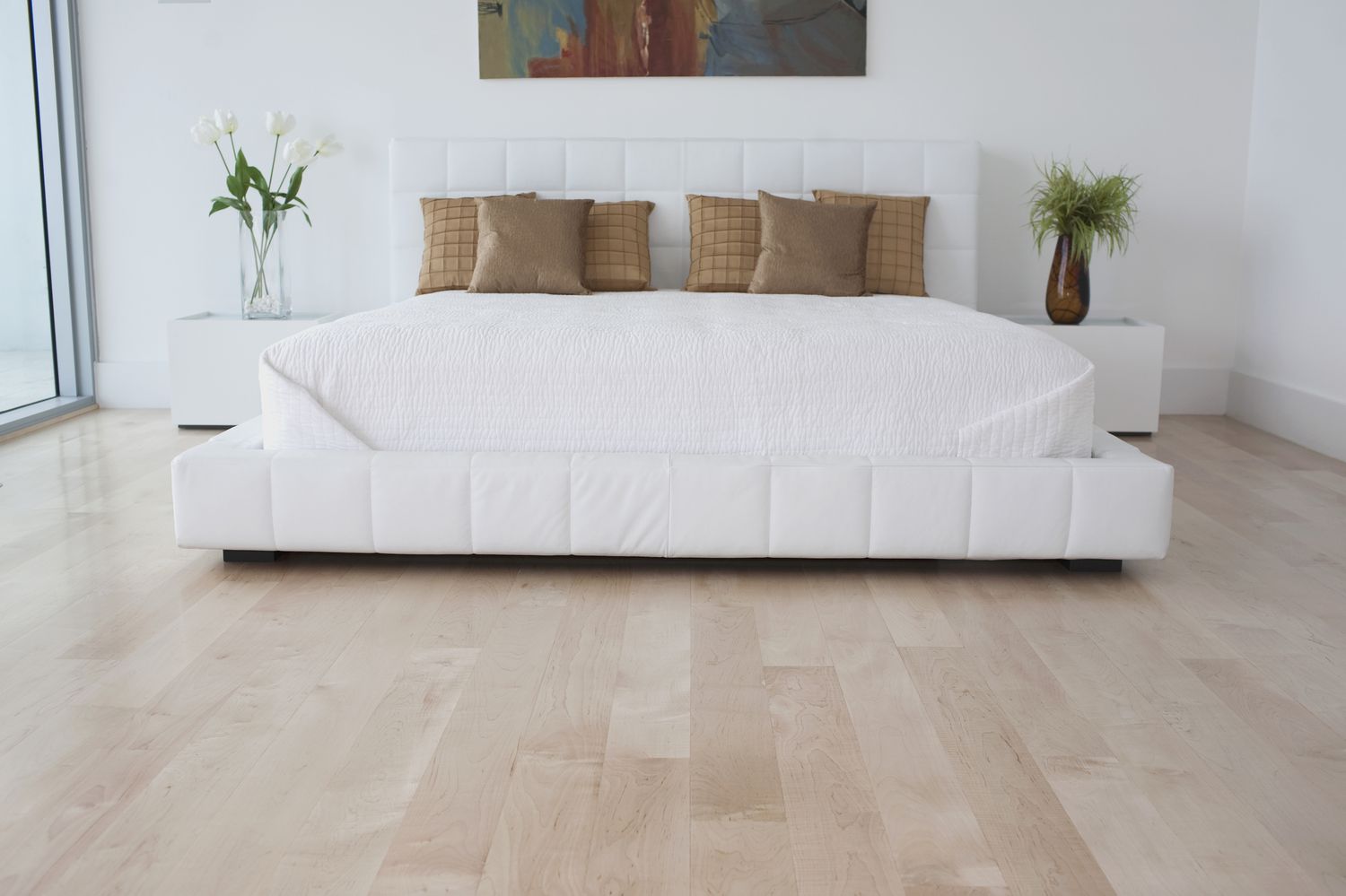

Choosing the best flooring for bedrooms is about creating a comfortable, practical and welcoming space. Unlike kitchen or bathroom flooring, a bedroom floor usually does not need to deal with frequent water exposure, but comfort, warmth, appearance, noise and maintenance become more important.
The right flooring can influence how the room feels underfoot and how easily it fits with your furniture and overall décor. Carpet, engineered wood, solid wood, laminate, luxury vinyl and other options can all work well, depending on your needs.
This guide explains the main bedroom flooring choices, their advantages and disadvantages, costs, maintenance requirements and the factors worth considering before making a decision.
What should bedroom flooring provide?
Bedrooms are generally lower-traffic areas than kitchens and hallways, so you have more flexibility when choosing a floor.
Comfort is often one of the biggest priorities, particularly if you regularly walk around the room barefoot.
A good bedroom floor may also need to provide:
- Comfort underfoot
- Good insulation
- Reasonable sound reduction
- Resistance to everyday wear
- Easy cleaning
- A suitable appearance for the room
- Compatibility with underfloor heating if required
- A cost that fits the renovation budget
Your choice may also depend on who uses the bedroom. A child's bedroom may need a particularly durable and easy-to-clean surface, while a main bedroom may place greater emphasis on comfort and appearance.
Best flooring for bedrooms: the main options
There is no single flooring material that is right for every bedroom.
Carpet is popular for its warmth and softness, while wood provides a natural appearance. Laminate can offer a similar visual effect at a lower price, and luxury vinyl provides a versatile combination of comfort and durability.
| Flooring type | Comfort | Durability | Maintenance | Sound reduction | Typical cost level |
|---|---|---|---|---|---|
| Carpet | Excellent | Good | Medium | Excellent | Low to medium |
| Solid wood | Good | Excellent | Medium | Moderate | High |
| Engineered wood | Good | Very good | Medium | Moderate | Medium to high |
| Laminate | Moderate | Good | Easy | Moderate | Low to medium |
| Luxury vinyl | Good | Very good | Easy | Good | Low to medium |
| Cork | Excellent | Good | Medium | Good | Medium |
| Natural stone | Low | Excellent | Medium | Low | High |
These are general comparisons. Product quality, thickness, installation and room conditions can affect actual performance.
Carpet for bedrooms
Carpet remains one of the most popular bedroom flooring choices because it provides warmth and softness.
Stepping out of bed onto a carpeted floor can feel more comfortable than stepping onto a hard surface, especially during colder weather.
Carpet can also reduce noise. It absorbs some sound from footsteps and can make a bedroom feel quieter and more relaxing.
There are many carpet styles, colours and pile types available. Wool can provide a natural, premium option, while synthetic carpets can offer practical and affordable alternatives.
One disadvantage is maintenance. Carpet can trap dust and requires regular vacuuming. Spills can also be more difficult to remove than they would be from a smooth floor.
For bedrooms used by people with allergies or sensitivities to dust, the cleaning routine and carpet type should be considered carefully.
Hardwood flooring
Solid hardwood can create a timeless appearance and may work particularly well in traditional or high-quality contemporary bedrooms.
Wood flooring is available in different species, colours, finishes and plank widths. It can provide natural variation that adds character to a room.
Another advantage is longevity. A suitable solid wood floor can potentially be sanded and refinished when its surface becomes worn, although the ability to do this depends on the floor's construction and thickness.
The disadvantages include cost, maintenance and sound. Wood can also feel colder and harder underfoot than carpet.
Rugs can provide warmth and comfort while allowing the natural appearance of the wood to remain visible.
Engineered wood flooring
Engineered wood is constructed from multiple layers, with a genuine wood surface on top.
It can provide the appearance of real timber while offering greater dimensional stability than some solid wood products.
This makes it a popular choice for bedrooms, particularly in homes where the same flooring is being used across several connected rooms.
Engineered wood comes in many finishes and colours. It can create a warm appearance without the room becoming visually heavy.
However, it is still a wood-based flooring product and should be protected from excessive moisture. Installation costs can also be higher than laminate or some vinyl products.
Laminate flooring
Laminate is a practical choice for homeowners who want a wood-style appearance without paying the price of many genuine timber floors.
Modern laminate is available in a wide variety of colours and plank designs. Some products can provide a convincing imitation of oak, walnut and other wood styles.
It is relatively easy to clean and can handle normal bedroom foot traffic.
Laminate is usually harder and less warm than carpet. It can also produce more sound underfoot, although a suitable underlay can improve comfort and reduce noise.
For children's bedrooms, laminate can be particularly practical because dirt and everyday spills can generally be cleaned more easily than from carpet.
Luxury vinyl flooring
Luxury vinyl is another versatile option for bedrooms.
It can imitate wood, stone and other materials while providing a softer surface than many traditional hard floors.
It is easy to clean and available in both plank and tile formats. Some products also have built-in acoustic or comfort features.
Luxury vinyl can be useful in bedrooms where durability and easy maintenance are priorities. It can also work well in rooms where the floor needs to continue into a hallway or adjoining space.
As with other flooring materials, the subfloor needs to be properly prepared. Unevenness can affect the final appearance and performance.
Cork flooring
Cork is less common than carpet, wood or laminate but can be an interesting bedroom flooring option.
It has a naturally softer feel and provides some insulation against sound and temperature changes.
Cork can create a warm, distinctive appearance and is available in different colours and finishes.
However, it requires appropriate care and protection. Excessive moisture and sharp objects can cause problems, depending on the product and finish.
It is worth checking the manufacturer's maintenance instructions before choosing cork for a bedroom.
Natural stone flooring
Natural stone is rarely the first choice for bedrooms, but it can work in certain designs.
Materials such as slate, limestone and marble can create a distinctive appearance and are highly durable.
The main drawback is comfort. Stone is hard and can feel cold underfoot, making it less inviting than carpet or timber in many bedrooms.
If stone is used, rugs can add warmth and softness around the bed and other areas.
Underfloor heating can also improve comfort, although it increases the cost and complexity of the overall flooring project.
Which flooring is best for a main bedroom?
A main bedroom often benefits from flooring that creates a calm and comfortable atmosphere.
Carpet is a strong choice if softness, warmth and noise reduction are priorities.
Engineered wood or solid wood can be better suited to someone who prefers a natural, sophisticated appearance and does not mind using rugs for additional comfort.
Luxury vinyl can provide a balance between appearance, easy maintenance and comfort.
The decision should reflect the room's overall design rather than following a particular trend.
Best flooring for children's bedrooms
Children's bedrooms can have different requirements from adult bedrooms.
Floors may experience more activity, dropped toys, food spills and general wear.
Laminate and luxury vinyl are practical options because they are generally straightforward to clean.
Carpet can also work well, particularly when warmth and softness are important. However, the carpet should be cleaned regularly, especially in rooms where children spend a lot of time playing.
Consider the furniture as well. Beds, desks and storage units can create pressure points, so choose flooring that is suitable for the expected use.
Bedroom flooring and allergies
The choice between carpet and hard flooring is sometimes influenced by concerns about dust and allergens.
Hard floors are generally straightforward to vacuum and clean because dust remains more visible on the surface.
Carpet can collect dust and particles, but regular and thorough vacuuming can help maintain it.
There is no need to assume that one flooring type is automatically suitable for everyone. Consider your cleaning routine, ventilation and the needs of the people using the room.
Bedroom flooring and underfloor heating
Underfloor heating can be used with several types of bedroom flooring, but compatibility varies.
Tile and stone transfer heat effectively, although they are less common in bedrooms.
Some engineered wood, laminate, vinyl and carpet systems can work with underfloor heating when the specific product has been approved for use with it.
Carpet underlay is particularly important because some thick combinations can reduce heat transfer.
If underfloor heating is part of your renovation, choose the heating system and flooring together rather than selecting each separately.
Best flooring for bedrooms with pets
Pets can influence the choice of bedroom flooring.
Hard surfaces such as laminate and luxury vinyl are generally easier to clean when pets bring in dirt or shed hair.
Carpet provides comfort but may require more frequent vacuuming.
Wood flooring can also work well, although scratches may become more visible depending on the type of timber and finish.
If pets regularly enter the bedroom, consider durability, cleaning and resistance to scratching before choosing a material.
Bedroom flooring and sound reduction
Noise can be particularly important in bedrooms.
Carpet is naturally useful for reducing the sound of footsteps and can create a quieter atmosphere.
Hard flooring can transmit more impact noise, especially in rooms above other living spaces.
Underlay can make a significant difference with laminate and some other floating floors. However, not every underlay is suitable for every product.
Check the flooring manufacturer's requirements before selecting an underlay.
If the bedroom is above another bedroom or living area, sound reduction may be worth prioritising during the renovation.
How much does bedroom flooring cost?
Bedroom flooring costs vary considerably depending on the material, room size and installation requirements.
Carpet may have a lower material cost than some premium wood products, while laminate and vinyl can offer relatively affordable alternatives.
The final project cost may include:
- Flooring materials
- Underlay
- Removal of existing flooring
- Subfloor preparation
- Labour
- Door thresholds and trims
- Moving furniture
- Waste disposal
- Repairs to damaged flooring underneath
A simple rectangular bedroom with a sound subfloor is usually easier to floor than an unusually shaped room requiring extensive cutting and preparation.
Costs can vary by location, materials, labour, property size and project requirements. Comparing complete quotations gives a more realistic picture of the total cost than looking at the material price alone.
How to save money on bedroom flooring
Bedroom flooring does not always need to be the most expensive option available.
Start by deciding which features matter most. If warmth and sound reduction are important, investing in good-quality carpet and underlay may make more sense than paying for premium timber.
If appearance is the main priority, laminate can provide a wood-style look at a lower material cost than many genuine wood floors.
Other ways to control costs include:
- Measure the room carefully.
- Compare several suppliers.
- Get more than one installation quotation.
- Ask what preparation work is included.
- Avoid unnecessary changes to the subfloor.
- Choose standard flooring formats where appropriate.
- Check whether existing underlay can safely be reused.
- Plan flooring for adjoining rooms together when practical.
Avoid choosing a very cheap material simply because its initial price is low. Replacing a poorly performing floor sooner than expected can make the overall cost higher.
Choosing flooring colour for a bedroom
Floor colour can influence how spacious and comfortable a bedroom feels.
Light flooring can help reflect light and may make a small bedroom feel more open.
Medium wood tones can provide warmth without making the room feel too dark.
Dark flooring can create a dramatic appearance but may show dust and pet hair more clearly, depending on the surface.
Consider the colour of the walls, wardrobe, bed, curtains and other large pieces of furniture.
A floor does not have to match every item in the room. It should complement the overall colour scheme.
Flooring for small bedrooms
Small bedrooms benefit from flooring that does not make the room feel visually crowded.
Light or medium flooring can help create a brighter appearance.
Using the same flooring through a bedroom and adjoining landing can also create a sense of continuity.
If choosing wood-effect planks, the direction in which they are laid can affect how the room appears. A professional installer can advise on the most practical layout based on the room's shape.
Carpet can also work extremely well in small bedrooms because its continuous surface avoids multiple visual breaks.
Common bedroom flooring mistakes
Choosing a floor purely on appearance is one of the easiest mistakes to make.
A material may look excellent in a showroom but feel too hard, cold, noisy or difficult to maintain once installed.
Other common mistakes include:
- Ignoring the condition of the subfloor
- Choosing flooring without considering sound
- Using unsuitable underlay
- Forgetting door clearance
- Choosing a material that needs more maintenance than expected
- Not ordering enough material
- Failing to consider furniture placement
- Ignoring compatibility with underfloor heating
- Choosing a colour without considering natural light
- Comparing material prices without including installation
It is also worth considering how the room may be used in the future. A nursery, children's room or guest bedroom may have different requirements from a quiet adult bedroom.
How to maintain bedroom flooring
Maintenance depends on the material.
Carpet should be vacuumed regularly, with particular attention to areas around the bed and other high-use sections.
Wood flooring should be cleaned according to the manufacturer's recommendations and protected from excessive moisture.
Laminate and vinyl are generally easy to maintain, but harsh cleaning products should be avoided unless specifically approved.
Furniture should not be dragged across the floor. Felt pads beneath suitable furniture legs can help reduce scratching where recommended.
Regular maintenance is usually more effective than waiting until visible damage becomes significant.
Example: choosing flooring for a main bedroom
Imagine a couple renovating a medium-sized main bedroom.
They want the room to feel warm and quiet but prefer a modern natural appearance. They are also concerned about maintenance.
Carpet would provide excellent softness and sound reduction but would require more regular cleaning.
Engineered wood would create the desired natural appearance and could be combined with a large rug beside the bed.
Luxury vinyl could provide a wood-style appearance while offering easier cleaning and a softer surface than many hard floors.
In this example, all three options could be suitable. The final decision would depend on whether comfort, natural material, easy maintenance or budget is the highest priority.
How to choose the right bedroom flooring
Before buying flooring, consider the following:
- How important is softness underfoot?
- Does the room need strong sound reduction?
- Is the bedroom used by children or pets?
- How much cleaning are you prepared to do?
- Is underfloor heating being installed?
- Does the floor need to continue into another room?
- How much can you realistically spend on the complete project?
- Is the existing subfloor suitable for the material?
These questions can quickly narrow down the options.
For example, someone prioritising softness and warmth may prefer carpet, while someone who wants natural character may favour engineered wood. Someone seeking easy maintenance may prefer luxury vinyl or laminate.
FAQ about bedroom flooring
What is the most comfortable flooring for a bedroom?
Carpet is generally one of the most comfortable options because it is soft and warm underfoot. Luxury vinyl can also provide a comfortable surface, while rugs can make wood and laminate flooring softer around the bed.
Is carpet or laminate better for bedrooms?
Both can work well. Carpet provides greater softness and sound reduction, while laminate is easier to clean and can provide a wood-style appearance. The better choice depends on your priorities.
Is vinyl flooring suitable for bedrooms?
Yes. Luxury vinyl can be a practical bedroom choice because it is durable, easy to clean and available in many designs. It can also feel warmer and softer than some traditional hard flooring.
What is the best flooring for a child's bedroom?
Carpet, laminate and luxury vinyl can all be suitable. Carpet provides warmth and cushioning, while laminate and vinyl are generally easier to clean after everyday spills and mess.
Is wood flooring a good choice for bedrooms?
Yes. Solid and engineered wood can create a warm, natural appearance. Rugs can add softness, while suitable maintenance can help protect the surface from scratches and wear.
What flooring is best for reducing bedroom noise?
Carpet generally provides the greatest sound absorption. For hard flooring such as laminate, a suitable acoustic underlay can help reduce impact noise, although performance depends on the specific flooring and construction of the room.
Conclusion
The best flooring for bedrooms depends on how you want the room to feel and how it will be used. Carpet is an excellent choice for warmth, softness and sound reduction, while engineered and solid wood provide natural character and long-term appeal.
Laminate offers a practical and relatively affordable wood-style alternative, while luxury vinyl provides a useful balance of comfort, durability and easy maintenance. Cork can also be worth considering for homeowners looking for a softer and less conventional option.
Before making your choice, consider comfort, noise, maintenance, appearance, the condition of the subfloor and the total installation cost. Think about the people and pets using the room rather than choosing solely according to current trends.
A well-chosen bedroom floor should complement the rest of the room while making the space comfortable and practical for everyday living.