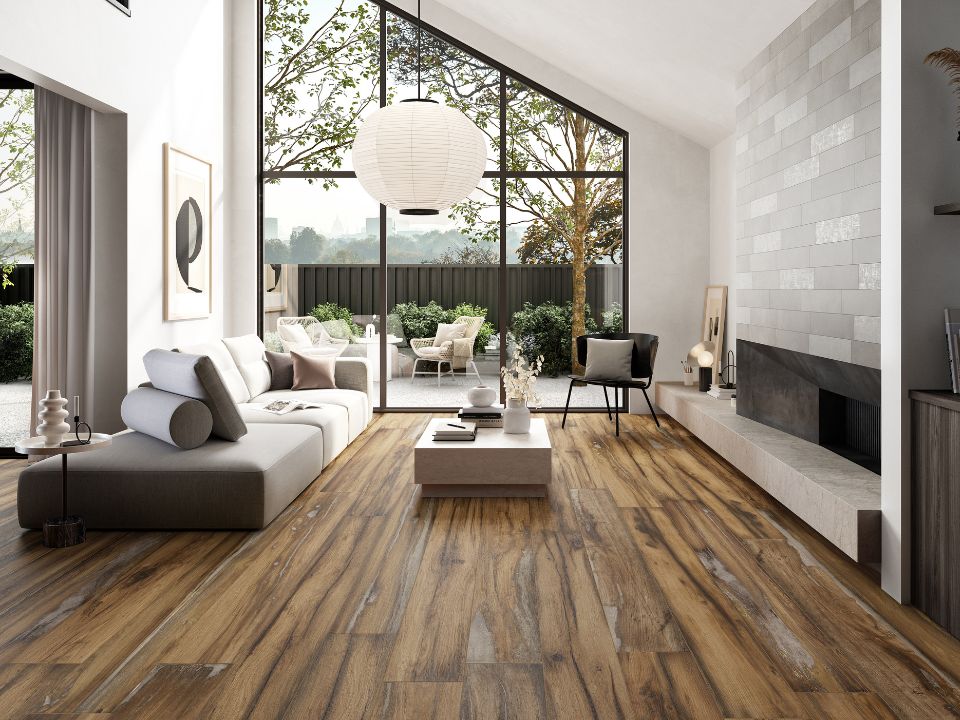

Choosing the right flooring can change how a home looks, feels and functions. The best flooring options for homes depend on the room, household needs, budget, maintenance preferences and the condition of the existing floor.
A suitable floor should do more than look attractive. It needs to cope with everyday use, moisture, furniture, pets, children and cleaning, depending on where it is installed.
From engineered wood and laminate to porcelain tiles, luxury vinyl and carpet, there are many materials to consider. Understanding the strengths and limitations of each option can help you choose flooring that suits both your home and your lifestyle.
What to consider before choosing flooring
Before choosing a material, think about how the room is used.
A hallway experiences frequent foot traffic, while a bedroom may need something warmer and softer underfoot. Kitchens and bathrooms have different moisture requirements from living rooms and dining areas.
Consider these factors before making a decision:
- The amount of foot traffic
- Moisture and humidity levels
- Cleaning and maintenance
- Comfort underfoot
- Durability
- Appearance
- Installation requirements
- Existing subfloor condition
- Compatibility with underfloor heating
- Budget
- Expected lifespan
- Whether the floor can be repaired or replaced easily
It is also important to consider the whole property rather than choosing each room completely separately. Using compatible flooring styles can create a more consistent appearance.
Best flooring options for homes
There is no single flooring material that is perfect for every room. Each option has different characteristics, and the right choice depends on the circumstances.
| Flooring type | Suitable areas | Main advantages | Points to consider |
|---|---|---|---|
| Solid wood | Living rooms, bedrooms, hallways | Natural appearance and can be refinished | Can react to moisture and temperature |
| Engineered wood | Most dry living areas | Attractive and more dimensionally stable than solid wood | Can cost more than laminate |
| Laminate | Living rooms, bedrooms, hallways | Wide range of styles and relatively easy maintenance | Water resistance varies |
| Luxury vinyl | Kitchens, hallways, living areas | Comfortable, practical and available in many designs | Quality varies between products |
| Porcelain tile | Kitchens, bathrooms, hallways | Durable, moisture resistant and easy to clean | Hard and potentially cold underfoot |
| Ceramic tile | Kitchens, bathrooms and other areas | Versatile and available in many designs | Can be hard and requires suitable installation |
| Carpet | Bedrooms, stairs and living areas | Warm, soft and comfortable | Requires regular cleaning |
| Natural stone | Kitchens, hallways and bathrooms | Distinctive appearance and durability | Often requires more maintenance |
| Cork | Bedrooms, offices and living spaces | Warm, comfortable and relatively soft | Needs appropriate protection from moisture |
Solid wood flooring
Solid wood is made from a single piece of timber and has a natural appearance that can work well in traditional and contemporary homes.
One of its advantages is that suitable solid wood flooring can potentially be sanded and refinished when its surface becomes worn. This can extend its useful life.
However, wood is affected by changes in moisture and temperature. It needs suitable installation and care, particularly in environments where moisture levels fluctuate.
Solid wood is generally more appropriate for dry areas such as:
- Living rooms
- Dining rooms
- Bedrooms
- Hallways
It is usually less suitable for bathrooms and other areas with frequent water exposure unless the specific product and installation method are designed for that environment.
Engineered wood flooring
Engineered wood has a real timber surface combined with multiple layers beneath it. This construction can make it more dimensionally stable than traditional solid wood.
It offers the appearance of timber while being available in a variety of colours, finishes, plank widths and designs.
Engineered wood can work particularly well in living rooms, bedrooms, dining areas and hallways.
However, it is still a wood-based product, so moisture and installation conditions need to be considered carefully.
It can be a useful choice for homeowners who want the appearance of timber but want a flooring construction that is generally less prone to movement than solid wood.
Laminate flooring
Laminate is a popular choice because it can reproduce the appearance of wood, stone and other materials without using solid timber or natural stone throughout the construction.
Modern laminate is available in many colours and plank designs. Some products are designed with textured surfaces that create a more convincing appearance.
It can be suitable for:
- Bedrooms
- Living rooms
- Dining rooms
- Hallways
- Home offices
Water resistance varies between products, so it is important to check the manufacturer's specifications rather than assuming all laminate flooring is suitable for kitchens or bathrooms.
Laminate can also be relatively straightforward to maintain. Regular vacuuming or sweeping followed by appropriate cleaning can help keep it in good condition.
Luxury vinyl flooring
Luxury vinyl flooring is available in plank and tile formats and can imitate timber, stone and other finishes.
One of its strengths is versatility. Depending on the product, it can be suitable for busy areas such as kitchens, hallways and living spaces.
Some vinyl flooring is also designed to resist water, making it useful in areas where spills are common.
It is softer and warmer underfoot than many tiled surfaces and can be easier to stand on for longer periods.
However, product quality varies. Check the specifications for wear resistance, water resistance, installation method and cleaning requirements before buying.
Porcelain tiles
Porcelain tiles are made from dense ceramic material and are widely used in kitchens, bathrooms, hallways and other areas that need hard-wearing surfaces.
They are available in many colours, patterns and finishes. Some products are designed to resemble timber or natural stone.
Porcelain can be particularly useful where moisture resistance and easy cleaning are important.
However, tiled floors are hard underfoot. They can also feel cold without suitable heating beneath them.
The condition and level of the subfloor are important because uneven preparation can affect the finished installation.
Ceramic tiles
Ceramic tiles are another practical option for kitchens, bathrooms, utility rooms and other areas.
They come in a wide range of sizes, colours and patterns, allowing homeowners to create anything from a simple neutral floor to a more decorative design.
Ceramic and porcelain are sometimes treated as interchangeable, but they are not exactly the same. Their composition and manufacturing characteristics differ, so the correct product should be selected for the intended application.
Pay attention to slip resistance and suitability for floors rather than choosing a wall tile simply because it has an attractive appearance.
Carpet
Carpet remains a popular choice for rooms where warmth and comfort are priorities.
It can make bedrooms, stairs and living areas feel softer and warmer. It is also available in numerous colours, patterns, textures and pile types.
However, carpet requires regular cleaning and can show stains more easily than some hard flooring.
It may not be the best option for areas exposed to frequent spills or high moisture.
When choosing carpet, consider the type and level of traffic. A busy family room may require a more durable product than a bedroom used mainly in the evening.
Natural stone flooring
Natural stone can create a distinctive appearance and is available in materials such as slate, limestone, travertine and other stone types.
Every piece can have variations in colour, pattern and texture, which gives natural stone a character that manufactured flooring may not reproduce exactly.
However, different types of stone have different maintenance requirements. Some need sealing or other ongoing care.
Stone can also be relatively hard and cold underfoot.
Before choosing it, check whether the particular stone is suitable for the intended room and understand its cleaning and maintenance requirements.
Cork flooring
Cork is made from the bark of cork oak trees and can provide a softer feel than many hard flooring materials.
It can work well in bedrooms, home offices and living spaces where comfort is important.
Cork has a distinctive appearance and can be available in different colours and patterns.
However, it needs appropriate protection and maintenance. Moisture exposure, heavy furniture and sharp objects can affect some cork floors.
Check the manufacturer's guidance before using it in kitchens, bathrooms or other moisture-prone areas.
Best flooring for high-traffic areas
Hallways, entrances and frequently used living spaces need flooring that can cope with regular foot traffic.
Suitable options may include:
- Porcelain tiles
- Quality luxury vinyl
- Suitable laminate
- Engineered wood
- Certain natural stone products
The right choice depends on the household.
A home with children and pets may benefit from flooring that is easy to clean and resistant to everyday marks. A quieter household may place greater emphasis on appearance and natural materials.
Best flooring for kitchens
Kitchen flooring needs to cope with spills, food, frequent cleaning and regular movement.
Luxury vinyl, porcelain, ceramic tiles and some other resilient flooring products can work well.
Engineered wood may also be suitable depending on the product, installation and level of moisture exposure.
Think about what happens in your kitchen rather than choosing purely based on appearance. If water and food spills are common, easy cleaning and appropriate moisture resistance may be more valuable than a particular visual style.
Best flooring for bedrooms
Bedrooms usually have different requirements.
Comfort, warmth and appearance are often more important than extreme resistance to heavy traffic.
Carpet can provide a soft surface, while engineered wood, laminate, luxury vinyl and cork can offer easier cleaning and a different visual effect.
The choice can also depend on whether you want the same flooring to continue from the hallway into the bedroom.
Best flooring for bathrooms
Bathrooms require careful consideration because of regular exposure to water and moisture.
Porcelain and suitable ceramic tiles are widely used. Some waterproof or water-resistant vinyl products can also be appropriate depending on the product specifications.
The flooring should not only be suitable for moisture but also provide appropriate slip resistance.
Installation is equally important. A suitable floor covering cannot compensate for poor preparation, inadequate waterproofing or drainage problems.
Best flooring for living rooms
Living rooms provide more flexibility because they are generally less exposed to moisture.
Engineered wood, solid wood, laminate, luxury vinyl, carpet and natural stone can all be considered depending on the desired style and practical requirements.
For a traditional appearance, timber can work well. For easier maintenance, laminate or luxury vinyl may be more convenient. Carpet may be preferred where softness and warmth are priorities.
Choosing flooring for homes with pets
Pets can affect flooring choices because claws, dirt, spills and accidents can create additional wear.
Hard flooring can make cleaning easier, but some surfaces may show scratches more readily than others.
When comparing options, consider:
- Scratch resistance
- Ease of cleaning
- Stain resistance
- Surface texture
- Moisture resistance
- Repairability
It can also be useful to place washable mats near entrances and areas where pets frequently eat or drink.
Flooring and underfloor heating
If you are considering underfloor heating, check flooring compatibility before buying materials.
Tiles and stone generally transfer heat effectively, while certain engineered wood, vinyl and other flooring products may also be suitable when specifically approved by the manufacturer.
Carpet can sometimes be used with underfloor heating, but its suitability depends on the carpet and underlay specifications.
Do not assume that a flooring material is automatically compatible. Check the manufacturer's requirements for both the heating system and flooring.
Do not ignore the subfloor
The finished flooring can only perform properly if the surface beneath it is suitable.
An uneven, damp or damaged subfloor can cause problems regardless of how expensive the new flooring is.
Depending on the material, preparation may involve cleaning, levelling, repairing damage or addressing moisture problems.
For some flooring systems, an underlay or other preparation layer may also be required.
This is one reason why installation costs can vary considerably between properties.
Comparing flooring costs
Flooring prices can vary widely. The material itself is only one part of the overall cost.
You may also need to account for:
- Removal of old flooring
- Subfloor preparation
- Underlay
- Adhesive
- Trims and thresholds
- Labour
- Delivery
- Waste disposal
- Repairs
- Additional installation requirements
Costs vary by location, materials, labour rates, property size and project requirements.
For example, two rooms with the same floor area could have very different installation costs if one has a level, prepared subfloor while the other requires extensive repairs.
Obtain detailed quotations rather than comparing only the price per square metre.
How to save money on new flooring
There are several ways to control costs without choosing unsuitable materials.
First, measure the area accurately. Buying too much material can increase waste, while buying too little can cause delays.
Compare several products with similar specifications rather than focusing only on brand names.
You could also consider using a more affordable flooring material in rooms where premium materials would provide little practical benefit.
For example, a durable laminate or suitable vinyl may provide the appearance you want at a different cost from natural timber.
However, avoid choosing solely on the lowest initial price. Maintenance, installation requirements and expected durability can also affect the overall value.
Creating a consistent flooring style
Using completely different flooring in every room can make a home feel visually disconnected.
This does not mean every room must have identical flooring.
Instead, you can use related colours, tones or materials. For example, timber-look flooring in living areas could be combined with complementary tiles in the kitchen and bathroom.
Transitions should be planned carefully so that changes in flooring look intentional.
Common flooring mistakes to avoid
Some flooring problems can be prevented before installation.
Avoid:
- Choosing flooring without considering the room's moisture level
- Ignoring the condition of the subfloor
- Buying without checking measurements
- Selecting wall tiles for floor use
- Forgetting about door clearances
- Ignoring underfloor heating requirements
- Choosing a finish that is difficult to maintain
- Buying based only on appearance
- Comparing material prices without installation costs
- Failing to order enough material
- Ignoring manufacturer's installation instructions
Taking time to check these details can prevent unnecessary expense and disruption.
Example of choosing flooring for a three-bedroom home
Imagine a three-bedroom home where the owners want to replace several different floor coverings.
They might choose engineered wood or quality laminate for the living and dining areas, a practical resilient material for the kitchen, tiles for the bathroom and carpet for the bedrooms.
This approach allows each room to have flooring suited to its purpose while maintaining a reasonably consistent overall appearance.
The final cost would depend on the size of each room, selected products, preparation requirements, labour and local prices.
Frequently asked questions
What is the most practical flooring for a home?
There is no single practical choice for every home. Luxury vinyl, laminate, tiles, engineered wood and carpet can all be suitable in different circumstances. The best option depends on the room, moisture levels, traffic, maintenance requirements and budget.
What is the easiest flooring to maintain?
Many hard surfaces, including suitable vinyl, laminate and tiles, can be relatively straightforward to clean. However, maintenance requirements vary between individual products, so always follow the manufacturer's cleaning guidance.
What flooring is best for a busy family home?
A busy family home may benefit from durable and easy-to-clean flooring in high-traffic areas. Suitable luxury vinyl, porcelain tiles, quality laminate and some engineered wood products can be considered depending on the room.
Is laminate better than wood flooring?
Neither is automatically better. Laminate can offer a practical and often more affordable alternative, while real wood provides natural timber and may be refinished depending on the product. The better choice depends on budget, appearance, maintenance and the room where it will be installed.
What flooring is best for pets?
Look for flooring that is easy to clean and appropriate for the level of scratching, dirt and moisture your pets create. Suitable vinyl, laminate, tiles and some wood products can all be considered, but product specifications matter.
How much does new flooring cost?
The cost depends on the flooring material, room size, location, labour, subfloor condition, preparation, installation method and project requirements. A simple room with a prepared floor can cost much less to install than one requiring extensive preparation or repairs.
Conclusion
The best flooring options for homes depend on how each space is used rather than on appearance alone. Bedrooms, kitchens, bathrooms, hallways and living rooms all have different requirements.
Wood can provide warmth and natural character, laminate can offer flexibility, luxury vinyl can provide a practical surface, tiles can work well in moisture-prone areas, and carpet can add softness and comfort.
Before making a decision, consider moisture, traffic, cleaning, comfort, installation, subfloor condition and long-term maintenance. Compare complete project costs rather than only material prices, and check that the selected product is suitable for its intended room.
Taking time to make the right choice before installation can help create flooring that looks good, performs well and fits comfortably within the overall renovation budget.