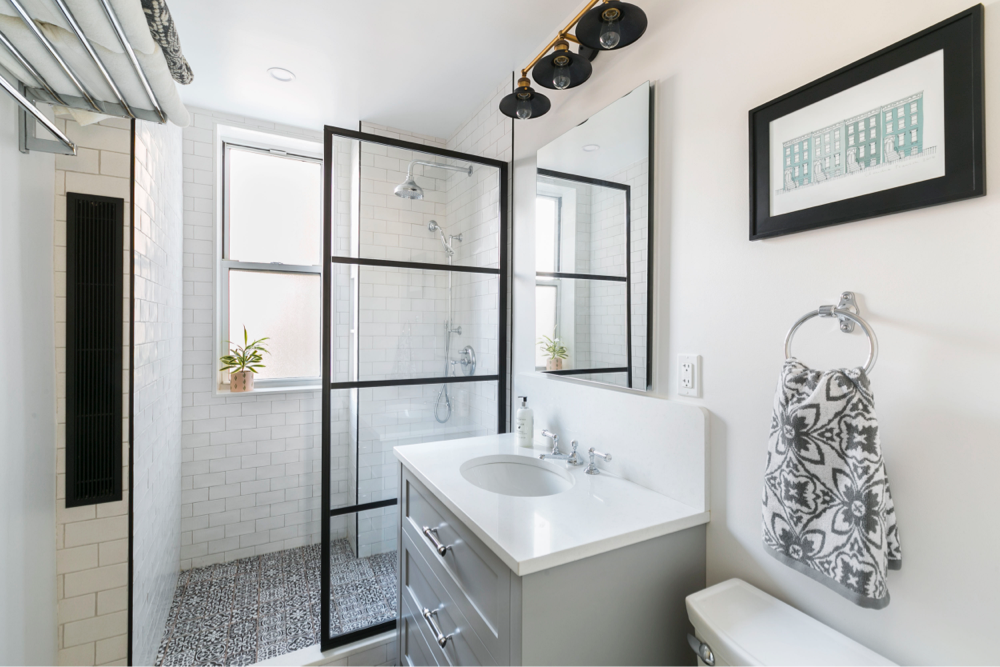

If you are planning a bathroom upgrade, one of the first questions you are likely to ask is: how much does a bathroom remodel cost? The answer depends on the size of the bathroom, the condition of the property, the materials you choose and how much work is involved. A simple refresh can cost far less than a complete bathroom replacement involving plumbing, electrical work, new flooring and structural changes.
For a typical UK bathroom, a modest update may cost a few thousand pounds, while a larger, higher-specification remodel can cost considerably more. Labour can also make up a significant part of the total.
The figures in this guide are general estimates rather than fixed prices. Costs vary between regions, tradespeople, materials, property types and project requirements. The best way to establish your actual budget is to get detailed quotations based on the work you want completed.
What affects the cost of a bathroom remodel?
There is no single price for a bathroom remodel because every project is different. Two bathrooms of a similar size can have very different costs depending on their condition and the level of work required.
The main factors include:
- Bathroom size and layout
- Condition of existing plumbing and electrics
- Quality and type of sanitaryware
- Choice of tiles and flooring
- Labour rates in your area
- Whether the layout is being changed
- Amount of preparation and removal work
- Lighting and electrical requirements
- Ventilation requirements
- Storage and fitted furniture
- Whether walls or floors need repairs
- Accessibility requirements
- Professional design or specialist services
A bathroom that keeps the existing toilet, shower and basin positions is usually easier to budget for than one where several services need to be relocated.
Typical bathroom remodelling cost ranges
A useful way to approach your budget is to divide bathroom projects into three broad categories.
| Type of project | General cost level | Typical work |
|---|---|---|
| Basic refresh | Lower | Painting, fittings, accessories and minor repairs |
| Mid-range remodel | Moderate | New sanitaryware, flooring, tiles, lighting and storage |
| Full remodel | Higher | Complete replacement, plumbing changes, electrical work and extensive finishing |
These categories are deliberately broad because actual prices can vary substantially.
A basic refresh might involve keeping the bath or shower, toilet and basin while replacing taps, mirrors, lighting, accessories and damaged finishes. This can transform the appearance without requiring a complete rebuild.
A mid-range project may include a new vanity unit, toilet, shower, flooring, wall tiles, lighting and improved storage.
A full remodel could involve stripping the room back, replacing most fittings, moving plumbing, upgrading electrics, improving ventilation and repairing walls or floors before the new bathroom is installed.
How much does a bathroom remodel cost for a small bathroom?
Small bathrooms are not necessarily cheap to remodel. Although there is less floor and wall area to cover, many of the main costs remain the same.
You still need a toilet, basin, shower or bath, lighting, plumbing connections and labour. In some cases, working in a compact room can also be more difficult because tradespeople have less space to work.
For a small bathroom, careful planning can help control costs. Keeping the existing layout is one of the most effective ways to reduce unnecessary plumbing work.
You could also consider:
- A compact vanity unit
- Wall-mounted storage
- Large-format tiles
- A shower enclosure instead of a bath
- A wall-mounted toilet where appropriate
- Simple, standard-sized fittings
- A large mirror to improve the sense of space
- Good lighting rather than expensive decorative features
The goal should be to make every part of the room useful rather than simply filling a small space with expensive fittings.
How much does a bathroom remodel cost for a large bathroom?
A larger bathroom provides more flexibility, but it can also require a larger budget.
There is more floor and wall area to tile, more space to decorate and potentially more lighting and storage to install. Homeowners may also choose larger or more expensive features for a spacious bathroom, such as a separate shower and bath, double basin or fitted furniture.
A large bathroom can therefore range from a relatively straightforward installation to a high-specification project.
If the budget is limited, concentrate spending on features that will have the greatest practical benefit. Good-quality waterproofing, plumbing, ventilation and reliable sanitaryware may be more worthwhile than spending heavily on decorative finishes.
Bathroom fixtures and fittings
Sanitaryware is one of the most visible parts of a bathroom remodel.
Common items include:
- Toilet
- Basin
- Vanity unit
- Bath
- Shower
- Shower enclosure
- Taps
- Heated towel rail
- Mirror
- Storage furniture
Prices vary significantly between basic, mid-range and premium products.
A basic white toilet and basin can be relatively affordable, while designer sanitaryware, specialist taps and bespoke furniture can increase the overall budget quickly.
You do not necessarily need to choose the cheapest products. Instead, compare quality, warranty, dimensions, installation requirements and ease of maintenance.
Standard-sized products can also make installation and replacement easier in the future.
The cost of bathroom tiles and flooring
Tiles can have a major influence on both the appearance and cost of a bathroom.
Wall and floor tiles are available in many materials, sizes, colours and finishes. Ceramic and porcelain tiles are common choices, while natural stone can require more specialist care and installation.
Remember that the price of the tiles themselves is only part of the cost.
You may also need to allow for:
- Adhesive
- Grout
- Waterproofing materials
- Tile trims
- Floor preparation
- Labour
- Removal of existing tiles
- Cutting and waste
Large-format tiles can create a clean, modern appearance, but they may require careful preparation and skilled installation.
If you are working with a tight budget, you could use more expensive tiles as a feature while choosing a simpler tile for the remaining walls.
Plumbing costs
Plumbing can become one of the biggest expenses when the layout changes.
Keeping the toilet, basin, bath and shower in roughly the same locations can reduce the amount of pipework that needs to be altered.
Moving a toilet can be particularly disruptive because of its waste connection. Relocating a shower or basin may also require changes to water supply and drainage.
Before changing the layout, ask whether the improvement is worth the additional cost.
Sometimes moving a basin by a small amount makes little difference to how the room works, but it can add labour and materials to the project.
Electrical work and bathroom lighting
Bathrooms have specific electrical requirements because of the presence of water and moisture.
Depending on the project, you may need new lighting, switches, extractor fans, heated towel rails, mirrors with integrated lighting or other electrical improvements.
Electrical work in a bathroom should be planned and completed by an appropriately qualified professional.
Lighting should also be considered early rather than added at the end. A combination of general lighting and task lighting around the mirror can make the bathroom more practical.
If you are installing several electrical features, include them in the original design and quotation.
Ventilation and damp prevention
Good ventilation is important in a bathroom because regular exposure to moisture can contribute to condensation and damp problems.
If the existing extractor fan is inadequate, replacing or improving the ventilation system may be worthwhile during the remodel.
This is an area where it can be tempting to save money, but poor ventilation can create problems after the renovation has been completed.
Check that the proposed ventilation system is suitable for the room and that installation complies with applicable UK requirements.
Labour costs
Labour can represent a substantial part of a bathroom renovation budget.
Depending on the project, you may need several trades, including:
- Plumber
- Electrician
- Tiler
- Plasterer
- Decorator
- Joiner
- Flooring installer
- Bathroom fitter
Some companies provide a complete bathroom installation service and coordinate different trades. Others require you to organise each trade separately.
Getting several detailed quotations can make it easier to compare the actual scope of work rather than simply choosing the lowest headline price.
Check whether each quotation includes removal, disposal, preparation, materials, installation and finishing work.
Hidden costs to consider
Unexpected costs can appear once the existing bathroom has been removed.
For example, a contractor may discover damaged flooring, old pipework, poor plasterwork or previous water damage.
Other potential costs include:
- Removing and disposing of the old bathroom
- Repairing damaged walls
- Replacing rotten flooring
- Upgrading old pipework
- Additional waterproofing
- Moving plumbing
- Electrical upgrades
- Delivery charges
- Additional materials
- Replacing damaged subfloors
- Temporary storage
- Extra labour caused by unexpected problems
This is why it is sensible to keep a contingency within your renovation budget.
A contingency does not mean you will definitely spend the money. It provides some protection if genuine problems appear after work begins.
How to reduce bathroom remodelling costs
There are several ways to control spending without making the finished bathroom look cheap.
Keeping the existing layout is often one of the most effective options. If the plumbing is already positioned correctly, there may be little reason to move everything.
You can also save money by choosing standard-sized products rather than bespoke designs.
Other options include:
- Compare several quotations
- Shop around for tiles and sanitaryware
- Reuse suitable existing items
- Replace taps instead of an entire basin where appropriate
- Choose simple wall finishes
- Use feature tiles selectively
- Avoid unnecessary structural changes
- Plan storage before buying furniture
- Buy products together where discounts are available
- Avoid making design changes once work has started
However, avoid cutting costs in areas that protect the bathroom from future problems. Waterproofing, plumbing, electrical safety and proper ventilation should be treated as important parts of the project.
Is it cheaper to remodel a bathroom yourself?
Some bathroom improvements can be suitable for DIY if you have the necessary skills.
Painting, assembling certain furniture, installing accessories and carrying out other straightforward finishing tasks may reduce labour costs.
However, bathrooms involve plumbing, electricity, waterproofing and potentially structural work. Mistakes in these areas can lead to leaks, damage or safety problems.
Before taking on any work yourself, consider your experience, the complexity of the task and whether professional installation is required.
Saving money on labour is not worthwhile if poor workmanship creates a much larger repair bill later.
Example bathroom remodel budget
Imagine a homeowner wants to update a standard family bathroom without changing the existing layout.
The project could include:
- Removing the old fittings
- Installing a new toilet and basin
- Adding a new vanity unit
- Replacing the shower
- Retiling selected walls
- Installing new flooring
- Improving lighting
- Replacing the extractor fan
- Decorating the remaining walls
- Adding storage and accessories
Instead of assigning a fixed national price to each item, the homeowner should obtain quotations based on the actual room.
For example, choosing mid-range fittings and standard tiles could create a very different total from selecting premium sanitaryware, natural stone and bespoke furniture.
The same project may also cost more in an area with higher labour rates or where the property requires additional preparation.
How to plan your bathroom remodel budget
Start by deciding what you actually want to change.
Separate your plans into essential improvements and optional upgrades.
Essential work might include repairing leaks, replacing damaged flooring, improving ventilation or updating unsafe electrical components.
Optional improvements might include a new mirror, decorative lighting, premium taps or bespoke storage.
Next, measure the room and create a basic list of required products. This will make it easier to obtain comparable quotations.
Ask contractors to provide clear information about what is included.
A useful quotation should make it reasonably clear whether the price covers labour, materials, removal, disposal, preparation and finishing.
Keep some money aside for unexpected issues rather than spending the entire budget on products.
When is a bathroom remodel worth the cost?
A remodel can make sense when the existing bathroom is no longer practical, has persistent problems or needs several upgrades at the same time.
It may also be worthwhile when you are improving an older property and want to bring the bathroom up to a better standard.
However, you do not always need a complete remodel.
If the plumbing, sanitaryware and main surfaces are in good condition, replacing a few visible features may achieve the improvement you want for considerably less money.
Think about the problem you are trying to solve before deciding how extensive the project needs to be.
Common bathroom remodelling mistakes
Poor planning can quickly increase the cost of a bathroom project.
Common mistakes include:
- Changing the layout without considering plumbing costs
- Ordering products before measuring the room
- Forgetting installation costs
- Choosing tiles without considering maintenance
- Ignoring ventilation
- Using unsuitable materials
- Spending the entire budget before work begins
- Making frequent design changes
- Choosing products that are difficult to replace
- Focusing on appearance while overlooking practical problems
A good bathroom should look attractive, but it also needs to be comfortable, durable, easy to maintain and suitable for everyday use.
Frequently asked questions
How much does a bathroom remodel cost on average?
There is no single average price that applies to every UK bathroom. A basic refresh may cost a few thousand pounds, while a full remodel can cost considerably more. The final price depends on room size, labour, materials, plumbing, electrical work and the amount of preparation required.
What is the most expensive part of a bathroom remodel?
Labour and major changes to plumbing or electrical systems can account for a significant portion of the budget. High-end sanitaryware, bespoke furniture and extensive tiling can also increase the total substantially.
Is it cheaper to keep the same bathroom layout?
Usually, keeping the existing layout can help control costs because less plumbing and drainage work may be required. However, the best choice depends on the condition and practicality of the existing arrangement.
How much should I budget for unexpected bathroom costs?
It is sensible to keep a contingency rather than spending the entire available budget. The amount you need depends on the age and condition of the property and how much work is planned. Older bathrooms may have a greater risk of hidden problems.
Can I remodel a bathroom on a small budget?
Yes. You can focus on high-impact improvements such as painting, new lighting, updated taps, a new mirror, refreshed storage and selected flooring or wall finishes. Keeping the existing plumbing layout can also help reduce costs.
Should I get more than one bathroom renovation quote?
Getting several detailed quotations can help you understand local labour rates and identify differences in what contractors include. Compare the scope of work, materials, preparation and finishing rather than choosing solely on the lowest price.
Conclusion
Understanding how much does a bathroom remodel cost is easier when you break the project into individual parts. Sanitaryware, labour, plumbing, electrical work, tiles, flooring, ventilation and preparation can all influence the final price.
The most important step is to decide what your bathroom actually needs before buying products or starting work. Keeping the existing layout, comparing quotations and choosing materials carefully can help you stay within budget.
At the same time, do not cut corners on plumbing, waterproofing, electrical safety or ventilation simply to reduce the initial price. A well-planned bathroom remodel should balance appearance, practicality, durability and cost.
Because prices vary by location, property condition, materials, labour and project requirements, use general cost ranges only as a starting point. A detailed quotation based on your specific bathroom will give you a much clearer picture of what the project is likely to cost.