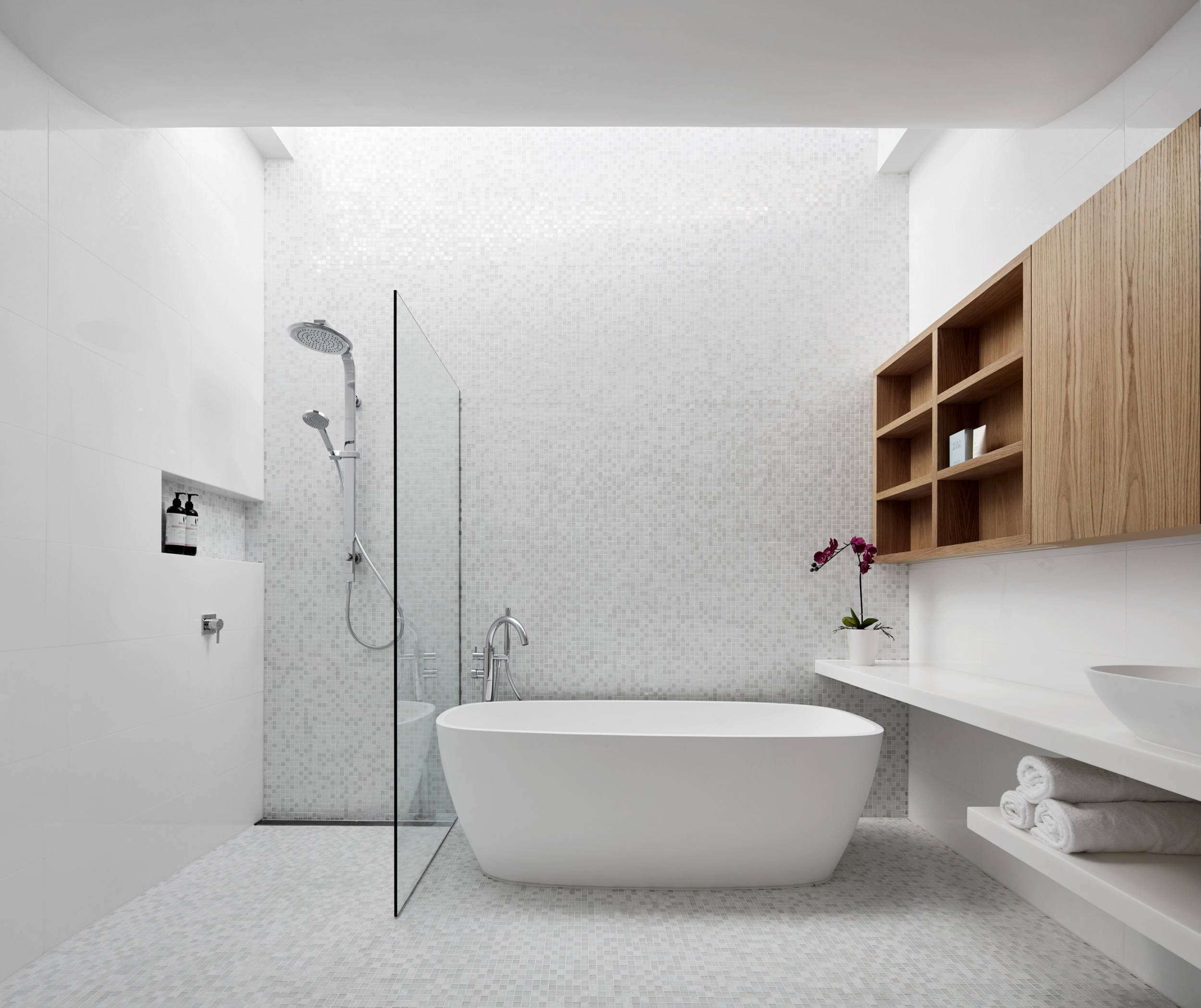

A bathroom renovation does not have to involve replacing every fitting or spending a large amount of money. The right bathroom remodeling ideas on a budget can improve the appearance, storage and everyday usability of the room while keeping unnecessary costs under control.
The key is to distinguish between changes that improve the bathroom and changes that simply add expense. Keeping the existing layout, refreshing sound fixtures and choosing affordable finishes can often produce a noticeable transformation without major structural work.
Before starting, inspect the bathroom carefully and decide which problems actually need solving. A tired colour scheme can usually be treated differently from leaking plumbing, damaged flooring or poor ventilation.
Set a realistic bathroom renovation budget
Start by deciding how much you can comfortably spend before choosing products.
Break the budget into broad categories such as:
- Bathroom fittings
- Tiles and flooring
- Paint and decorating
- Lighting
- Storage
- Plumbing
- Electrical work
- Labour
- Waste removal
- Delivery
- Unexpected repairs
Costs vary considerably depending on location, labour rates, materials, bathroom size and project requirements.
A small cosmetic refresh may cost far less than a complete renovation involving new plumbing, flooring and fittings.
It is sensible to keep some money aside for unexpected work. Removing an old bath or toilet can reveal damaged surfaces, leaking pipes or other problems that were not visible beforehand.
Keep the existing bathroom layout
One of the simplest ways to control costs is to avoid moving major plumbing points unnecessarily.
Changing the position of a toilet, bath, shower or basin can require additional pipework and labour.
If the existing arrangement works reasonably well, consider keeping it and spending the available budget on visible improvements.
For example, instead of moving the basin to another wall, you could replace the tap, update the vanity unit, improve the mirror and install better lighting.
This can produce a noticeable change without the additional work associated with relocating plumbing.
Refresh rather than replace
Not every bathroom component needs to be replaced.
If the bath, basin, toilet or vanity unit is structurally sound, consider whether it simply needs cleaning, repairing or updating.
You might be able to improve the room by replacing selected elements such as:
- Taps
- Shower fittings
- Handles
- Toilet seat
- Mirror
- Light fitting
- Vanity doors
- Accessories
This approach allows you to focus spending on areas that look tired or no longer function properly.
Paint the walls
A fresh coat of suitable bathroom paint can make a considerable difference.
Bathrooms are exposed to moisture, so choose a paint designed for the conditions and follow the manufacturer's preparation and application instructions.
Light colours can help a smaller bathroom feel brighter, while a darker feature wall can add contrast when used carefully.
Before painting, deal with peeling surfaces, mould, damp or water damage rather than simply covering them.
If there is persistent damp or mould, identify and address the underlying moisture problem.
Update the vanity unit
The vanity can be one of the most noticeable pieces of furniture in a bathroom.
If the existing unit is in good condition, replacing only the doors or handles may provide a cheaper refresh.
Another option is to repaint a suitable vanity using products appropriate for the existing surface and humid bathroom conditions.
If replacement is necessary, compare standard-sized units before considering custom furniture. Standard products are often easier to source and may reduce fabrication costs.
Make sure the new unit fits around existing plumbing and leaves enough room for doors and drawers to open properly.
Replace taps instead of the entire basin
A dated tap can make an otherwise acceptable basin look old.
Replacing the tap can provide a relatively small change with a visible effect.
Before buying a replacement, check the existing basin and plumbing connections to ensure the new fitting is compatible.
You should also consider the style of the shower, bath and other fittings. Matching finishes can create a more coordinated appearance.
Upgrade the mirror
A new mirror can change the appearance of a bathroom without requiring major construction.
A larger mirror can also reflect more light and make a compact room feel more open.
Simple framed mirrors can introduce warmth, while frameless designs can suit a modern bathroom.
If you choose a mirrored cabinet, you can gain storage as well as a reflective surface.
Make sure the product is suitable for bathroom conditions and is installed securely.
Improve bathroom lighting
Good lighting can make an inexpensive bathroom feel considerably more polished.
Instead of relying on a single ceiling light, consider combining general lighting with illumination around the mirror or vanity area.
Better lighting can make shaving, applying skincare, cleaning and other everyday tasks easier.
If electrical work is required, use an appropriately qualified professional and make sure fittings are suitable for bathroom locations.
Do not install unsuitable electrical products simply because they are inexpensive.
Use affordable tiles strategically
Replacing every tile can become expensive because you are paying for both materials and labour.
If the existing tiles are sound, consider keeping them and updating other parts of the room.
Where new tiling is necessary, you do not necessarily need to tile every wall from floor to ceiling.
A carefully chosen tiled area around the shower or bath can provide protection where it is most needed while reducing the amount of material and labour required.
The exact approach should depend on the bathroom design and the manufacturer's installation requirements.
Consider a simple splashback
A small splashback behind a basin can provide both practical protection and a decorative feature.
Rather than using expensive tiles across an entire wall, a smaller area can introduce colour or texture while keeping the project manageable.
Options include tiles, suitable panels and other bathroom-rated materials.
The surface should be appropriate for regular exposure to water and easy to clean.
Refresh the floor without replacing everything
Bathroom flooring receives significant daily wear, but replacement is not always necessary if the existing floor is sound.
If the surface is damaged or unsuitable for the room, compare options based on water resistance, durability, slip characteristics and maintenance.
Vinyl flooring can provide a relatively affordable option, while tiles offer a wide range of styles and finishes.
The total cost depends on the floor area, material, preparation and installation.
If the existing floor is uneven or damaged, preparation may become a significant part of the project cost.
Choose affordable storage
A bathroom can look untidy when toiletries, towels and cleaning products have nowhere to go.
Storage does not necessarily need to be expensive.
Consider:
- Wall-mounted shelves
- Slim bathroom cabinets
- Baskets
- Over-door storage
- Mirrored cabinets
- Vanity drawers
- Narrow floor-standing units
Use vertical space where possible, particularly in a small bathroom.
Avoid adding furniture that blocks the doorway or makes it difficult to use the toilet, bath or shower.
Reuse what you can
One of the most practical bathroom remodeling ideas on a budget is to avoid replacing items that are still useful.
A sound vanity can be refinished. Existing shelves can be repainted. A good mirror can be reused. Accessories can be replaced individually rather than as part of a complete matching set.
This approach can also reduce waste.
However, do not keep damaged or unsuitable items simply to save money. If a fitting leaks, is unsafe or has reached the end of its useful life, replacement may be more sensible.
Update handles and accessories
Small details can change the overall appearance of a bathroom.
Replacing cabinet handles, towel rails, toilet roll holders and other accessories can create a more coordinated style.
You can choose a single finish for these details or use carefully selected combinations.
Avoid buying accessories simply because they look good individually. Consider how they work with the taps, shower fittings, lighting and other metal finishes.
Install a new shower head
If the shower system itself is in good condition, you may not need to replace the entire unit.
A compatible shower head can provide an updated appearance without changing the whole installation.
Check compatibility, water pressure requirements and manufacturer guidance before purchasing.
If the existing shower has a plumbing or electrical fault, however, replacing only the visible head will not address the underlying problem.
Replace damaged sealant
Old or damaged sealant around baths, showers and basins can make a bathroom look neglected.
Appropriate bathroom sealant can help protect joints from water penetration when correctly applied.
Before applying new sealant, the old material needs to be removed properly and the surface prepared according to the product instructions.
If water is already getting behind walls or flooring, new sealant alone may not solve the problem.
Improve ventilation
Ventilation is important in a bathroom because regular exposure to moisture can contribute to condensation and mould.
If the bathroom has poor ventilation, consider whether the existing extractor fan or ventilation system is adequate.
Improving ventilation can be more valuable than spending the same amount of money on purely decorative changes.
If installing or modifying an extractor involves electrical work, seek appropriate professional assistance.
Use a simple colour scheme
A restrained colour scheme can make an affordable bathroom look more considered.
You might choose:
- Light walls with darker accessories
- Neutral tiles with one accent colour
- White fittings with natural-looking accessories
- One feature wall with simpler surrounding finishes
Using too many colours and patterns can make a small bathroom feel crowded.
A simple base also makes future changes easier because towels, accessories and decorations can be replaced without redesigning the entire room.
Choose standard-sized products
Custom-made bathroom furniture and unusual fittings can increase costs.
Where possible, compare standard-sized products that fit the existing room.
Standard vanity units, mirrors, shower screens and storage cabinets are often easier to source and replace.
However, never buy a product solely because it is cheap without checking its dimensions and compatibility.
Measure the available space carefully before ordering.
Do not overlook the toilet
A toilet may not be the first thing people think about when planning a bathroom refresh, but its condition and appearance can influence the whole room.
If the existing toilet is working properly and looks acceptable, there may be no reason to replace it.
If it is old, damaged or inefficient, compare the cost of repair with replacement.
Check the available space, connection type and installation requirements before choosing a new model.
Make the shower area look better
The shower is often one of the most visible parts of a bathroom.
If the existing shower is sound, small improvements can make it look fresher.
You could consider:
- Replacing the shower head
- Updating the controls where compatible
- Replacing worn sealant
- Cleaning or replacing shower-screen seals
- Improving the lighting
- Updating nearby storage
If the shower tray or enclosure is damaged, address the problem rather than covering it with decorative changes.
Avoid unnecessary structural changes
Removing walls, changing door positions or relocating plumbing can quickly increase the cost of a bathroom renovation.
Structural changes can also introduce additional planning, building or professional requirements depending on the project.
If the current room provides adequate space, consider improving the existing layout first.
For example, replacing a bulky storage unit with a slimmer cabinet may create more usable floor space without changing the room's structure.
Do some suitable work yourself
There may be simple tasks that a homeowner can complete depending on their skills and experience.
Decorating, assembling certain furniture and installing some non-specialist accessories may be possible.
However, bathrooms contain water and electrical systems, so caution is particularly important.
Do not attempt work beyond your competence simply to reduce costs. Plumbing, electrical work, structural changes and other specialist tasks may require qualified professionals and may be subject to applicable regulations.
Compare complete quotations
If professional work is required, obtain detailed quotations rather than comparing a single headline figure.
Ask what is included in the price.
For example:
| Cost area | What to check |
|---|---|
| Labour | Which tasks are included? |
| Materials | Who supplies them? |
| Plumbing | Are changes included? |
| Electrical | Are new fittings and installation included? |
| Waste | Is removal included? |
| Delivery | Are transport charges included? |
| Preparation | Are old surfaces being removed or repaired? |
| Finishing | Is decorating included? |
Costs can vary by location, labour rates, materials, bathroom size and project complexity.
A detailed quotation makes it easier to compare like-for-like offers.
Spend more on the important parts
Saving money does not mean choosing the cheapest product in every category.
Some components need to withstand regular use and moisture. Spending more on a suitable tap, durable flooring or quality sealant may make sense if the difference in performance is significant.
At the same time, there is no need to spend heavily on decorative items that can be changed easily.
A useful approach is to divide the budget into three groups:
- Essential repairs and functional improvements
- Durable permanent fixtures
- Cosmetic features that can be upgraded later
This helps ensure that limited money is directed towards the areas that matter most.
Avoid changing your mind halfway through
A renovation can become more expensive when decisions are repeatedly changed after work starts.
For example, changing the tile design after materials have already been ordered can result in wasted products and additional labour.
Before work begins, finalise major choices such as the layout, fittings, flooring and main colour scheme.
Some changes may be unavoidable when hidden problems are discovered, but unnecessary changes should be avoided.
Focus on the biggest visual improvements
If your budget is limited, identify what makes the bathroom look dated.
Perhaps the main problem is the wall colour. Perhaps the vanity is damaged. Maybe the lighting is poor or the mirror is too small.
You do not need to renovate every element at the same time.
For example, repainting the walls, replacing the mirror, updating the lighting and changing the cabinet handles could create a noticeably fresher appearance without replacing the bath, toilet and basin.
Bathroom remodeling ideas on a budget for different situations
Different bathrooms need different approaches.
For a small bathroom, prioritise:
- Better lighting
- Wall-mounted storage
- A large or well-positioned mirror
- Light colours
- Slim furniture
For a dated but functional bathroom, consider:
- Fresh paint
- New taps
- Updated handles
- New mirror
- New lighting
- Improved accessories
For a bathroom with functional problems, prioritise:
- Leaks
- Ventilation
- Damaged flooring
- Faulty plumbing
- Poor electrical installations
- Water damage
Cosmetic improvements can wait if there are underlying problems that need attention.
Mistakes to avoid when renovating on a budget
One mistake is spending too much on decorative features while ignoring leaks, damp or poor ventilation.
Another is buying cheap products that are unsuitable for a wet environment.
It is also easy to underestimate labour and preparation costs.
Do not assume that replacing a fitting is simply the price of the new product. Installation, removal of the old item, plumbing changes and disposal may all add to the final bill.
Finally, avoid copying a bathroom design without considering the dimensions and practical requirements of your own room.
FAQ
What is the cheapest way to remodel a bathroom?
Keeping the existing layout and reusing sound fittings can help control costs. Painting, updating accessories, replacing handles, improving lighting and refreshing storage can also make a noticeable difference without requiring a complete renovation.
Can I remodel a bathroom without replacing the tiles?
Yes. If the existing tiles are sound and suitable, you can keep them and focus on other improvements such as paint, lighting, taps, storage and accessories. Damaged or poorly installed tiles may need more substantial work.
How can I make a small bathroom look better on a budget?
Use light colours, improve lighting, reduce clutter and choose storage that does not take up excessive floor space. A well-positioned mirror can also help reflect light and create a more open appearance.
Should I replace my bathroom vanity?
Not necessarily. If the existing vanity is structurally sound, replacing its handles, repainting a suitable surface or changing the worktop may provide an affordable refresh. Replacement makes more sense when the unit is damaged or poorly suited to the room.
How much does a budget bathroom remodel cost?
There is no universal price. Costs vary according to bathroom size, location, labour, materials, fittings, plumbing, electrical work and the amount of renovation required. A cosmetic update will generally involve different costs from a complete bathroom renovation.
What should I not try to save money on?
Do not compromise on essential repairs, waterproofing, suitable electrical work, plumbing, ventilation or materials that need to withstand regular moisture. Saving money in these areas can create larger problems later.
Conclusion
A bathroom renovation can be affordable when you focus on practical improvements rather than replacing everything at once. Keeping the existing layout, reusing sound fixtures and choosing targeted upgrades can help you make better use of a limited budget.
Start with essential repairs and functional problems, then consider improvements such as fresh paint, better lighting, updated taps, new storage and a replacement mirror. Compare materials carefully and obtain detailed quotations when professional work is required.
The best bathroom remodeling ideas on a budget are not necessarily the ones that involve the cheapest products. They are the ones that put your available money towards improvements that make the room more useful, comfortable and durable while avoiding unnecessary work.