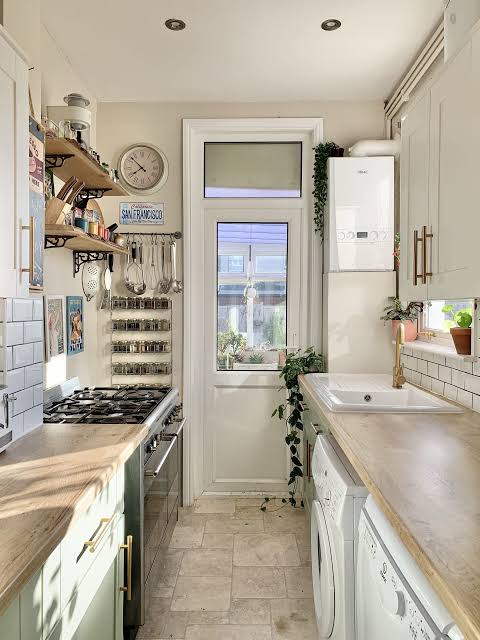

Learning how to remodel a kitchen on a budget can help you improve an outdated or impractical space without spending more than you can comfortably afford. A kitchen renovation does not always require new cabinets, expensive appliances or major structural changes. Careful planning, selective upgrades and sensible material choices can make a significant difference.
The most important step is to decide what genuinely needs changing. Keeping parts of the existing kitchen that are still useful can free up money for improvements that have a greater impact on appearance, storage and everyday use.
Set your kitchen remodelling budget first
Before choosing tiles, worktops or appliances, decide how much you are prepared to spend.
Your budget should cover more than the obvious materials. Remember to consider labour, delivery, waste removal, preparation work and any specialist services that may be required.
Kitchen renovation costs vary by location, property size, materials, labour rates and the complexity of the project. A small cosmetic update can cost considerably less than a complete kitchen replacement.
It can help to divide your budget into categories:
- Cabinets and storage
- Worktops
- Flooring
- Lighting
- Appliances
- Sink and tap
- Decorating
- Labour
- Delivery and waste
- Contingency
Keeping some money aside for unexpected work is sensible, particularly if the property is older.
Decide what actually needs replacing
A common mistake is assuming that everything has to be replaced.
Look carefully at each part of the kitchen and decide whether it needs replacement, repair, cleaning or simply a cosmetic update.
For example, cabinet doors may look tired while the cabinet boxes remain perfectly usable. In this situation, replacing or repainting the doors may be more sensible than buying an entirely new kitchen.
Make a simple list with three categories:
- Must change
- Would improve the kitchen
- Can stay
This makes it easier to control spending when you start receiving quotations or shopping for materials.
Keep the existing layout
One of the most useful ways to control a kitchen renovation budget is to keep the existing layout where possible.
Moving a sink, cooker or dishwasher can require changes to plumbing, electrical systems, cabinets, worktops and flooring.
If the current arrangement is reasonably functional, consider improving the finishes instead.
For example, a dated kitchen could potentially be refreshed with painted cabinets, a new worktop, modern handles, improved lighting and fresh wall paint without moving the main appliances.
Keeping the existing layout does not mean accepting an impractical kitchen. Minor storage changes can sometimes improve usability without requiring major construction.
How to remodel a kitchen on a budget
If you are wondering how to remodel a kitchen on a budget, start with improvements that provide practical value without creating unnecessary work.
A useful approach is to work from the most important changes downwards. Deal with safety and essential repairs first, then focus on usability, storage and appearance.
For example, a sensible order might be:
- Repair plumbing or electrical problems.
- Deal with damaged surfaces or damp.
- Improve storage and functionality.
- Refresh cabinets.
- Upgrade lighting.
- Replace selected finishes.
- Complete decorating and accessories.
This prevents money being spent on cosmetic improvements before underlying problems are addressed.
Refresh existing kitchen cabinets
Cabinets often occupy a large amount of visual space, so updating them can make the kitchen feel significantly different.
If the existing units are structurally sound, consider:
- Repainting suitable cabinet doors
- Replacing handles
- Changing damaged hinges
- Replacing drawer fronts
- Adding internal organisers
- Repairing minor damage
- Replacing only worn doors
Painting cabinets requires proper preparation. Kitchen surfaces can collect grease and moisture, so cleaning and preparing them properly is important before applying a suitable coating.
If you are considering replacement doors, measure the existing units carefully. Small measurement errors can lead to additional costs.
Replace cabinet handles
New handles are a relatively simple way to change the appearance of cabinets.
Modern handles can make older doors look more contemporary without changing the cabinet structure.
Before buying, check the distance between existing fixing holes. Choosing handles that match the current holes can make installation simpler.
It is also worth considering the finish of other fittings. Coordinating cabinet handles with taps, lighting and other metal features can create a more unified appearance.
Choose an affordable worktop
Worktops are heavily used, so replacing a damaged or outdated surface can be worthwhile.
There are many worktop materials available, with substantial differences in price, appearance, durability and maintenance.
Laminate can offer a wide range of colours and patterns at different price points. Other materials, including timber, engineered surfaces and natural stone, can cost more depending on the specification.
The final cost depends on the size of the worktop, material, thickness, cut-outs, edging and installation.
Rather than choosing a material solely because it is expensive or fashionable, consider how the kitchen is used and how much maintenance you are comfortable with.
Improve the kitchen lighting
Lighting can change both the appearance and practicality of a kitchen.
If the existing lighting is poor, you may not need to replace every fitting. Concentrate on areas where better illumination would be most useful.
Under-cabinet lighting can help illuminate work surfaces, while a suitable ceiling fitting can provide general room lighting.
You could also consider:
- Replacing outdated shades
- Adding task lighting
- Using separate lighting controls
- Improving lighting above food preparation areas
- Replacing inefficient or unsuitable bulbs with appropriate alternatives
Electrical alterations should be handled safely and by a suitably qualified person where required.
Paint the walls
Fresh paint can be one of the simplest kitchen improvements.
Choose a colour that works with your cabinets, worktop and flooring rather than selecting each finish separately.
Washable and moisture-resistant finishes may be useful in areas exposed to cooking and splashes.
You can also repaint surrounding doors, trim or other suitable surfaces if they look worn.
A carefully prepared and painted room can look considerably fresher without requiring expensive decorative materials.
Use a simple splashback
A splashback protects walls around areas such as sinks and cooking zones while also providing an opportunity to introduce colour or texture.
You do not necessarily need to install an expensive splashback across the entire kitchen.
Consider focusing on the areas most exposed to water, grease and cooking splashes.
Depending on your requirements and budget, options can include tiles or purpose-made panels. The most suitable material will depend on heat exposure, moisture, cleaning requirements and installation conditions.
Upgrade the sink and tap selectively
A sink and tap are used every day, so replacing a worn or damaged combination can improve both appearance and usability.
However, check compatibility before buying.
The sink dimensions, worktop cut-out, cabinet space and plumbing connections all matter. A product that looks affordable at first may require additional alterations if it does not fit the existing arrangement.
If the current sink is in good condition, replacing only the tap may be enough to give the area a fresher appearance.
Avoid replacing working appliances unnecessarily
Appliances can represent a substantial part of a kitchen renovation budget.
If an existing fridge, cooker, dishwasher or other appliance is working properly and still meets your needs, consider keeping it.
When replacement is necessary, measure the available space before shopping. Built-in appliances in particular need to match the cabinet dimensions and installation requirements.
Consider the total cost rather than just the purchase price. Delivery, installation and any required alterations can add to the final expense.
Shop around before buying materials
Do not assume the first price you see is the final price you need to pay.
Compare products from several suppliers and consider the complete cost, including delivery and installation.
When comparing similar products, look at:
- Material quality
- Dimensions
- Warranty
- Delivery charges
- Installation requirements
- Maintenance
- Availability
- Replacement parts
Buying a cheaper item that does not suit your kitchen can ultimately cost more if it has to be returned or replaced.
Use standard sizes where possible
Standard-sized cabinets, worktops and fixtures are often easier to source than highly customised alternatives.
If your kitchen can accommodate standard components, this may reduce the need for bespoke manufacturing.
This is another advantage of keeping the existing layout. Working with the dimensions already available can help reduce unnecessary alterations.
Always measure carefully before ordering.
Reuse and repurpose suitable items
Look around your kitchen before deciding what needs to be thrown away.
Shelves, cabinets, storage containers and furniture may still have useful life.
A suitable freestanding cupboard, for example, might provide additional storage without requiring a new fitted cabinet.
Even small items can be reused. Containers can be reorganised, shelves can sometimes be adjusted and suitable furniture can be refinished.
The important consideration is safety and condition. Do not reuse items that are unstable, badly damaged or unsuitable for their intended purpose.
Improve storage instead of adding cabinets
Poor storage can make a kitchen feel smaller and more difficult to use.
Before adding more cabinets, see whether the existing space can be organised more effectively.
Affordable storage improvements may include:
- Drawer dividers
- Shelf risers
- Pull-out baskets
- Hooks
- Wall rails
- Door-mounted organisers
- Stackable containers
- Corner storage accessories
Use measurements before buying storage products. An organiser that does not fit properly can waste both money and cupboard space.
Consider doing suitable work yourself
Some homeowners may be able to save labour costs by handling straightforward tasks themselves.
Depending on your skills, this could include painting, cleaning, basic decorating or assembling certain products.
However, specialist work should not be treated as a DIY saving opportunity if you do not have the necessary skills.
Gas, electrical, structural and some plumbing work can have safety and regulatory implications. Use an appropriately qualified professional when required.
A poor DIY job can cost more to correct than professional installation would have cost initially.
Renovate in stages
If you cannot afford to complete the entire kitchen at once, consider dividing the project into stages.
For example:
Stage one could involve repairs and painting.
Stage two could include cabinet improvements and new handles.
Stage three could involve a worktop or sink replacement.
Stage four could focus on lighting, flooring or other finishing touches.
Staging the work allows you to spread costs while still making progress.
However, plan the sequence carefully. It is generally better to complete messy or disruptive work before final decorating and finishing.
Plan materials before work begins
Poor planning can lead to wasted materials and unnecessary purchases.
Measure the kitchen carefully and create a list of everything required before ordering.
Include small items such as:
- Fixings
- Sealant
- Adhesives
- Handles
- Trim
- Grout
- Paint
- Protective materials
These smaller purchases can add up if they are repeatedly bought during the project.
Having a written materials list also makes it easier to compare suppliers.
Keep a contingency fund
Even a carefully planned kitchen renovation can encounter unexpected problems.
You may discover damaged surfaces, outdated wiring, plumbing problems or other issues after removing cabinets or flooring.
A contingency of around 10–20% is commonly used as a planning allowance, although the appropriate amount depends on the property and the complexity of the work.
This is not money that has to be spent. It is a reserve that can prevent an unexpected repair from disrupting the entire project.
Avoid unnecessary structural changes
Removing walls or significantly altering the kitchen can transform the space, but it can also increase the project cost considerably.
Structural changes may involve professional design, building work, approvals, additional materials and changes to electrical or plumbing systems.
If your main objective is to improve an unattractive kitchen, consider whether cosmetic and functional changes can achieve enough of the desired result without altering the structure.
Where structural work is being considered, obtain appropriate professional advice before starting.
Reduce waste
Careful purchasing can prevent money from being lost through unused materials.
Measure accurately and plan cuts where possible. Avoid buying large quantities simply because a product is on sale unless you know you will use it.
Keep suitable leftover materials safely stored. Spare tiles, paint and matching components can be useful for future repairs.
Protect materials from moisture and damage while the renovation is underway.
Get several detailed quotations
For work requiring contractors, obtain quotations that clearly explain what is included.
Do not compare only the final totals.
Ask whether the quotation includes:
- Labour
- Materials
- Removal of old items
- Waste disposal
- Delivery
- Preparation work
- Installation
- Finishing work
- Additional charges
Two quotations can have very different prices because they include different levels of work.
A clear written quotation makes it easier to understand where your money is going.
Example of a budget kitchen renovation
Consider a kitchen with sound cabinets but dated doors, an old worktop, poor lighting and tired walls.
Instead of replacing everything, a homeowner might focus on:
| Improvement | Main purpose |
|---|---|
| Paint cabinet doors | Refresh the main visual feature |
| New handles | Modernise the cabinets |
| New worktop | Improve appearance and working surface |
| Better lighting | Improve visibility |
| Fresh wall paint | Brighten the room |
| Storage organisers | Make existing cupboards more useful |
| New tap | Add a small modern detail |
The cost of this type of project can vary significantly depending on location, labour, materials, kitchen size and the products selected.
The important point is that the homeowner is prioritising targeted improvements rather than automatically replacing every component.
Where not to cut costs
A limited budget should not mean ignoring essential quality and safety.
Avoid choosing an installer solely because they offer the lowest price. Check what work is included and whether they have suitable experience.
Similarly, do not choose unsuitable materials simply because they are cheaper.
Particular care should be taken with:
- Electrical work
- Gas work
- Plumbing
- Structural alterations
- Waterproofing
- Cabinet installation
- Worktop installation where specialist cutting is required
Spending carefully in these areas can reduce the risk of expensive problems later.
Make the kitchen look more expensive without overspending
You can create a polished appearance without filling the room with costly finishes.
Choose a consistent colour palette and avoid using too many unrelated materials.
For example, matching the cabinet hardware with the tap and selected lighting details can create visual consistency.
Keeping worktops, walls, flooring and cabinets within a complementary palette can also make the room feel more coordinated.
Good organisation matters as well. A tidy kitchen with sensible storage can feel more comfortable regardless of the renovation budget.
Frequently asked questions
What is the cheapest way to remodel a kitchen?
Keeping the existing layout and reusing sound cabinets can help reduce costs. Painting cabinets, changing handles, improving lighting and refreshing walls can also provide noticeable improvements without a complete replacement.
How much does it cost to remodel a kitchen on a budget?
There is no universal cost because kitchen renovation prices vary by location, property size, materials, labour and the amount of work required. A cosmetic update will normally have different costs from a full kitchen replacement or structural renovation.
Can I remodel a kitchen without replacing the cabinets?
Yes. If the cabinet boxes are in good condition, you may be able to repaint the doors, replace handles, repair damaged components or install new doors and drawer fronts.
Is it cheaper to renovate a kitchen in stages?
It can be easier to manage spending by completing the work in stages. However, the project should be planned carefully to avoid paying twice for work that could have been completed together.
What should I spend money on first?
Start with essential repairs and safety-related work. After that, prioritise improvements that affect everyday use, such as storage, lighting, damaged surfaces and important fittings.
Should I do my own kitchen renovation?
You can potentially save on labour by handling suitable tasks such as painting or basic decorating if you have the necessary skills. Specialist electrical, gas, structural and other regulated work should be handled appropriately rather than undertaken simply to reduce costs.
Conclusion
Knowing how to remodel a kitchen on a budget is largely about deciding where your money will make the greatest difference. You do not have to replace every cabinet, appliance and surface to create a more attractive and practical kitchen.
Start with a realistic budget and identify what genuinely needs changing. Keep the existing layout where possible, reuse suitable components and compare materials and quotations carefully.
Spend money where quality and safety matter, while looking for savings on cosmetic improvements, storage and finishes. With careful planning, a phased approach and sensible purchasing, a dated kitchen can be improved without turning the renovation into an unnecessarily expensive project.