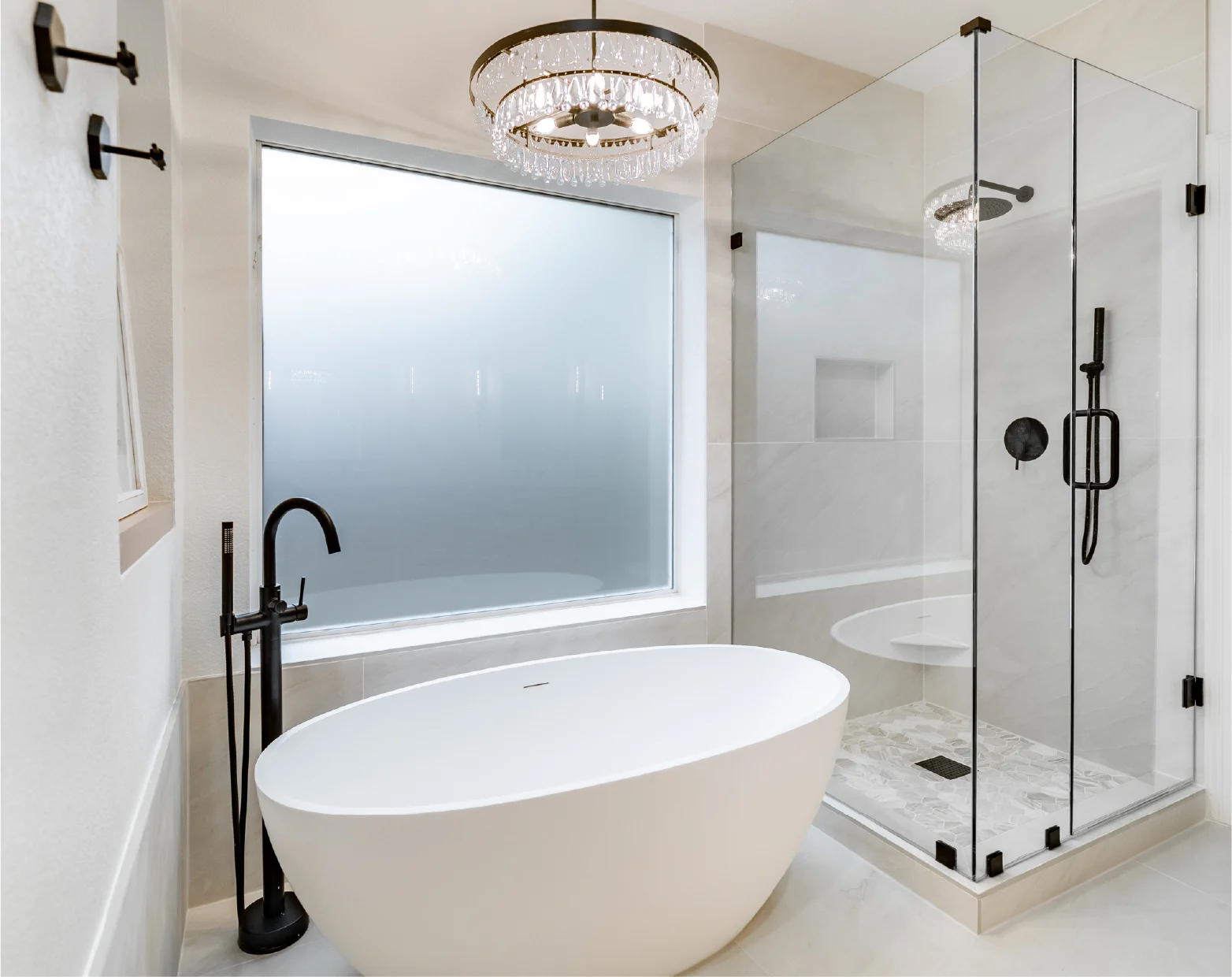

If you are wondering how much does it cost to remodel a bathroom, the answer depends on the size of the room, the condition of the existing bathroom and the standard of finish you want. In the UK, a straightforward bathroom renovation might cost around £4,000 to £8,000, while a larger or higher-specification project can reach £10,000 to £20,000 or more.
A simple refresh can cost considerably less if you keep the existing layout and reuse suitable fixtures. A complete remodel involving new plumbing, electrical work, tiling, flooring, sanitaryware and structural changes will require a larger budget.
Understanding the individual costs can help you plan realistically and avoid unpleasant surprises once work begins.
What is included in a bathroom remodel?
The phrase bathroom remodel can cover anything from replacing a few fixtures to completely stripping the room back and rebuilding it.
A basic renovation might involve replacing the toilet, basin, taps and shower while keeping the existing walls and floor.
A full renovation could include:
- Removing the old bathroom
- New toilet and basin
- New bath or shower
- New taps and fittings
- New plumbing
- New electrical work
- Wall and floor tiling
- Waterproofing
- New flooring
- Lighting
- Ventilation
- Plastering
- Painting
- Storage
- Heated towel rail
- Underfloor heating
- Installation and waste removal
Before requesting quotations, make a clear list of what you want changed. This makes it easier to compare prices and prevents important work from being overlooked.
How much does it cost to remodel a bathroom?
A typical UK bathroom remodel can fall into several broad price bands.
| Type of bathroom project | Approximate cost |
|---|---|
| Small cosmetic refresh | £1,500–£4,000 |
| Basic bathroom renovation | £4,000–£8,000 |
| Mid-range full remodel | £8,000–£15,000 |
| High-specification bathroom | £15,000–£25,000+ |
| Major renovation with structural work | £25,000+ |
These are general budgeting ranges rather than guaranteed prices. The actual cost can vary by location, labour rates, room size, materials, property condition and project requirements.
For example, replacing a bathroom suite in the same positions is usually much simpler than moving a toilet to another part of the room.
A small bathroom can also become expensive if it requires extensive plumbing repairs, waterproofing or structural work.
Bathroom suite costs
The bathroom suite itself can represent a significant part of the budget.
A basic suite might include a toilet, basin and bath or shower. Prices rise when you choose designer products, unusual sizes, specialist finishes or premium materials.
The type of bathroom also matters.
A family bathroom might contain:
- Toilet
- Basin
- Bath
- Separate shower
- Storage
A compact en-suite may only require a toilet, basin and shower.
When choosing fixtures, measure the room carefully. A product that looks suitable online may not work comfortably once doors, windows, radiators and other fittings are taken into account.
It is also important to check the location of existing plumbing before deciding on a new layout.
Bath and shower costs
The choice between a bath and shower can significantly affect both the appearance and cost of the renovation.
A standard bath is generally less complicated than a large walk-in shower with bespoke glass, specialist drainage and extensive tiling.
A shower installation may include:
- Shower tray
- Shower enclosure
- Shower valve
- Shower head
- Plumbing
- Waterproofing
- Glass panels
- Wall finishes
A walk-in shower can require particularly careful waterproofing and drainage.
If the bathroom is being used by a family, keeping a bath may also be useful, whereas a compact en-suite may work better with a shower.
There is no single solution that suits every household.
How much does bathroom tiling cost?
Tiling can account for a substantial part of the renovation budget, especially if the walls and floor are being fully tiled.
The final cost depends on the tile material, size, pattern, surface preparation and labour.
Common options include:
- Ceramic tiles
- Porcelain tiles
- Natural stone
- Mosaic tiles
- Large-format tiles
Large tiles can sometimes reduce the number of joints, but they may require more careful handling and a suitable wall surface.
Mosaic or patterned tiles can take longer to install because of their design and cutting requirements.
The cost of tiling should therefore include both the tiles and installation.
You may also need to budget for adhesive, grout, trims, waterproofing products and preparation work.
Plumbing costs
Plumbing is one of the areas that can be underestimated when planning a bathroom renovation.
If the new fixtures remain close to the existing plumbing connections, the work may be relatively straightforward.
Moving fixtures can require additional pipework and labour.
For example, relocating a toilet may involve changes to waste pipes, while moving a shower or bath may require alterations to both water supply and drainage.
Potential plumbing expenses include:
- New water supply pipes
- Waste pipes
- Shower installation
- Bath installation
- Basin installation
- Toilet installation
- Leak repairs
- Replacement valves
- New pipework
- Drainage alterations
Older properties may require additional repairs once the existing fixtures are removed.
For this reason, it is sensible to leave some room in the budget for unexpected plumbing work.
Electrical work and bathroom lighting
Bathrooms have specific electrical safety requirements because electricity and water are present in the same room.
Depending on the existing installation and your plans, you may need new lighting, extractor fans, heated towel rails or other electrical work.
Possible improvements include:
- Ceiling lighting
- Wall lighting
- Illuminated mirrors
- Extractor fans
- Heated towel rails
- Underfloor heating
- Shaver sockets where appropriate
Electrical work in a bathroom should be carried out by a suitably qualified professional who understands the relevant safety requirements.
Adding several electrical features can increase the cost, particularly if new wiring or circuits are needed.
Flooring costs
Bathroom flooring needs to cope with moisture, regular cleaning and frequent foot traffic.
Common choices include:
- Vinyl
- Luxury vinyl tile
- Ceramic tile
- Porcelain tile
- Natural stone
Vinyl can provide a relatively affordable option, while porcelain and natural stone can cost more.
The condition of the existing floor also matters. If it is uneven, damaged or affected by moisture, preparation or repair work may be necessary before the new floor is installed.
In some situations, replacing the flooring may also provide an opportunity to inspect the floor underneath for hidden damage.
Waterproofing and damp protection
Waterproofing is an important part of a bathroom renovation, particularly around showers and wet areas.
Poor waterproofing can allow moisture to reach walls, floors and structural elements.
The cost depends on the design and the areas that need protection.
A standard bathroom may require waterproofing around a shower or bath, while a wet room generally requires a more extensive waterproofing system.
If there are already signs of damp, mould or water damage, deal with the underlying problem before covering the area with new tiles.
Simply installing new tiles over a moisture problem can leave the underlying issue unresolved.
Labour costs for a bathroom renovation
Bathroom renovations often require several trades.
Depending on the project, you might need:
- Bathroom fitter
- Plumber
- Electrician
- Tiler
- Plasterer
- Decorator
- Flooring installer
- Joiner
- Builder
Some bathroom companies coordinate all of these trades. Alternatively, a homeowner can organise individual specialists.
Using one contractor can make project management simpler, while hiring individual trades may offer more flexibility.
When comparing quotations, make sure you understand exactly what is included.
Ask whether the price covers removal of the old bathroom, waste disposal, preparation, installation and finishing work.
How much does it cost to remodel a bathroom by size?
The size of the bathroom affects the amount of materials and labour required, but it does not determine the final cost by itself.
A small bathroom might cost £4,000 to £8,000 for a straightforward renovation.
A medium-sized bathroom with better-quality fixtures, full tiling and upgraded lighting might cost around £8,000 to £15,000.
A large or high-specification bathroom could reach £15,000 to £25,000 or more.
These figures are only examples. A small bathroom with complicated plumbing changes could cost more than a larger bathroom with a simple layout.
The specification is often as important as the floor area.
Does changing the bathroom layout increase the cost?
Changing the layout can add considerably to a renovation budget.
Keeping the toilet, basin, bath and shower in their existing locations can reduce plumbing and drainage work.
Changing their positions may require:
- New water pipes
- New waste pipes
- Floor alterations
- Additional electrical work
- More installation time
- Repairs to walls and flooring
However, changing the layout can be worthwhile when the current arrangement wastes space.
For example, moving a poorly positioned basin could create more usable floor area or improve access to the shower.
The important thing is to consider the long-term benefit before committing to the additional construction work.
How much should you budget for a small bathroom?
A small bathroom does not necessarily mean a small bill.
For a straightforward refurbishment, a budget of approximately £4,000 to £8,000 may provide a useful starting point.
A smaller project might include a standard toilet, basin, shower or bath, basic flooring, limited tiling and straightforward installation.
However, the budget can rise if you choose premium fittings, extensive tiling, bespoke storage or a completely new layout.
One way to control costs is to retain the existing plumbing positions while improving the fixtures and finishes.
How to save money on a bathroom remodel
There are several ways to control the cost without compromising essential workmanship.
Keeping the existing layout is one of the most effective options.
Other approaches include:
- Reuse sound existing plumbing where appropriate
- Choose standard-sized fixtures
- Compare several quotations
- Use mid-range tiles
- Tile only necessary areas rather than every wall
- Keep suitable existing storage
- Choose readily available products
- Avoid unnecessary structural changes
- Plan the complete design before ordering materials
- Reuse fixtures that are still in good condition
A cheaper bathroom is not necessarily one that uses the least expensive products.
Durability matters. Replacing a poor-quality fitting after a short period can cost more than buying a reliable product initially.
Where should you spend more money?
Your priorities will depend on how the bathroom is used.
However, some components are particularly important because replacing them later can be disruptive.
Consider allocating more of the budget to:
- Waterproofing
- Plumbing
- Electrical safety
- Shower equipment
- Taps and valves
- Durable flooring
- Quality installation
Decorative accessories are generally easier to replace later.
If your budget is limited, you could choose simpler tiles or mirrors while keeping the essential plumbing and waterproofing work to a good standard.
Should you renovate a bathroom yourself?
Some homeowners can safely handle minor tasks such as painting, removing suitable non-structural fittings or installing certain accessories.
However, bathroom renovations involve plumbing, electrical systems, waterproofing and sometimes structural work.
Mistakes can result in leaks, water damage or safety problems.
Professional tradespeople should be used for work that requires specialist knowledge or qualifications.
If you are managing the project yourself, make sure you understand which tasks require professional involvement before work starts.
How long does a bathroom remodel take?
A straightforward bathroom replacement may take around one to two weeks, although the exact schedule depends on the size and complexity of the project.
A more extensive renovation can take longer if it involves structural changes, new plumbing, electrical alterations or extensive tiling.
Delays can also occur when materials arrive late or additional problems are discovered after the old bathroom is removed.
Before work begins, ask the contractor for an estimated schedule and find out how unexpected changes will be handled.
Planning your bathroom renovation budget
A detailed budget can make the project much easier to control.
Start by listing the major expenses.
| Expense | What to include |
|---|---|
| Fixtures | Toilet, basin, bath and shower |
| Cabinets | Vanity units and storage |
| Tiling | Tiles, adhesive, grout and labour |
| Plumbing | Pipework, drainage and installation |
| Electrical | Lighting, sockets and other electrical work |
| Flooring | Materials and installation |
| Labour | Fitting and specialist trades |
| Removal | Old fixtures and waste disposal |
| Finishing | Painting and decorating |
| Contingency | Unexpected repairs |
After creating the list, obtain detailed quotations.
Do not automatically choose the cheapest quotation. A lower price may exclude important work that another contractor has included.
How much contingency should you allow?
A contingency fund of around 10% to 15% can provide useful protection against unexpected costs.
For example, on a £10,000 renovation, 10% would be £1,000, while 15% would be £1,500.
Older bathrooms may present additional uncertainty because hidden leaks, damaged flooring or outdated pipework can become apparent after fixtures are removed.
The contingency should be treated as a reserve rather than part of the planned spending.
If you do not need it, you can keep the money for future maintenance or improvements.
Frequently asked questions
How much does it cost to remodel a bathroom?
A straightforward UK bathroom remodel can cost around £4,000 to £8,000, while a mid-range renovation may cost approximately £8,000 to £15,000. High-specification projects can exceed £20,000. Actual prices depend on location, labour, materials, room size and the work involved.
Is £5,000 enough to renovate a bathroom?
It can be enough for a relatively simple renovation, particularly if the bathroom is small, the existing layout remains unchanged and affordable fixtures and finishes are selected. Extensive plumbing, premium products or structural changes may require a larger budget.
What is the most expensive part of a bathroom remodel?
There is no single most expensive component for every project. Labour, tiling, plumbing, fixtures and specialist features can all account for substantial costs. Structural alterations and moving plumbing can also increase the overall price.
Can I remodel a bathroom without changing the plumbing?
Yes. Keeping the toilet, basin, bath and shower in their existing positions can reduce the amount of plumbing work required. You can still replace the fixtures, tiles, flooring, lighting and other finishes.
How long does a bathroom renovation take?
A straightforward renovation can take roughly one to two weeks, while a more complicated project may take longer. The schedule depends on the size of the bathroom, number of trades involved, materials and extent of the renovation.
How much contingency should I keep for a bathroom remodel?
Around 10% to 15% is a useful general allowance for unexpected costs. The appropriate amount depends on the property's age, condition and how much of the existing bathroom is being altered.
Conclusion
Working out how much does it cost to remodel a bathroom requires more than looking at the price of a new toilet, bath or shower. The total budget also needs to account for labour, plumbing, electrical work, waterproofing, tiling, flooring, removal and finishing.
For a typical UK project, around £4,000 to £8,000 can provide a starting point for a basic renovation, while a mid-range remodel may require £8,000 to £15,000. Larger, premium or structurally complicated projects can cost considerably more.
The best way to control the final cost is to decide what you actually need, keep the layout where practical, compare detailed quotations and allow money for unexpected repairs.
Most importantly, focus on the parts that affect safety, durability and long-term performance. A carefully planned bathroom does not have to include every expensive feature to be comfortable, practical and attractive.