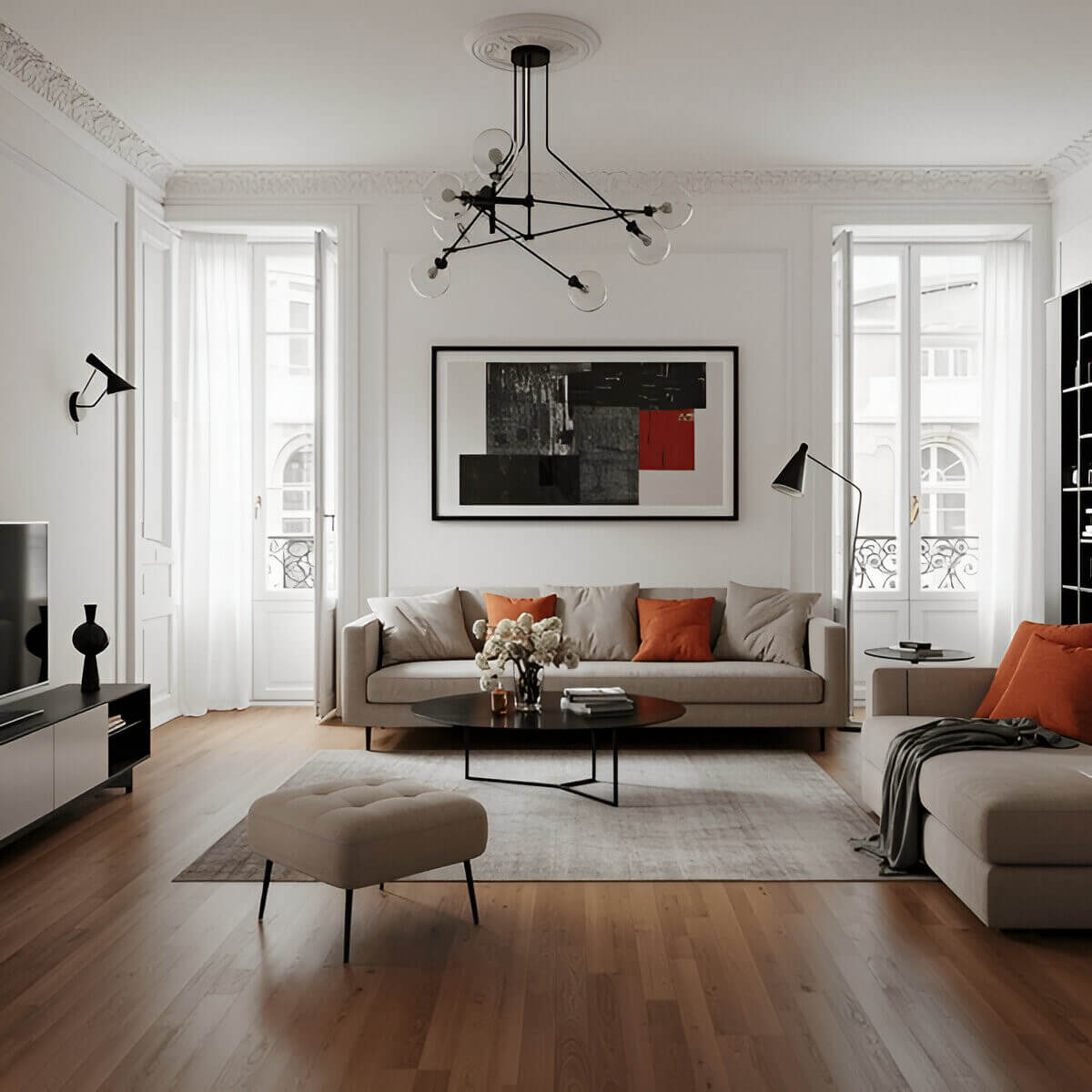

Home renovation costs by room can vary considerably depending on the size of the space, the condition of the property, the materials you choose and the amount of professional labour required. A simple bedroom refresh may cost much less than renovating a kitchen or bathroom, particularly where plumbing, electrics or structural work is involved.
Understanding the likely cost of each room can help you plan a realistic budget before work begins. This guide looks at typical renovation costs for the main rooms in a UK home, what those costs usually include and where you may be able to save money without compromising the result.
What affects home renovation costs by room?
There is no single price for renovating a room. Two rooms of a similar size can have very different budgets because of their condition, specification and requirements.
The main factors include:
- Room size and layout
- Condition of walls, floors and ceilings
- Quality of materials and fittings
- Labour rates in your area
- Whether plumbing needs to be moved
- Whether new electrical points are required
- Structural changes
- Heating and insulation requirements
- Removal and disposal of old materials
- Planning or building control requirements where applicable
- The availability and cost of tradespeople
Location also has an important effect. Labour costs in London and parts of the South East can be higher than in other parts of the UK, while material prices can vary between suppliers.
For this reason, the figures in this guide should be treated as broad planning estimates rather than fixed quotations.
Typical renovation costs by room
The following table gives a general starting point for common renovation projects.
| Room | Basic renovation | Standard renovation | Extensive renovation |
|---|---|---|---|
| Bedroom | £500–£1,500 | £1,500–£5,000 | £5,000–£10,000+ |
| Living room | £500–£1,500 | £1,500–£5,000 | £5,000–£10,000+ |
| Kitchen | £2,000–£6,000 | £7,000–£25,000 | £25,000–£40,000+ |
| Bathroom | £1,500–£4,000 | £4,000–£15,000 | £15,000–£25,000+ |
| Dining room | £500–£1,500 | £1,500–£4,000 | £4,000–£8,000+ |
| Hallway | £300–£1,000 | £1,000–£3,000 | £3,000–£6,000+ |
| Home office | £500–£1,500 | £1,500–£5,000 | £5,000–£10,000+ |
These ranges are deliberately broad. A room requiring only decorating and new flooring will be at the lower end, while a project involving structural work, new windows, rewiring or specialist finishes can cost substantially more.
Bedroom renovation costs
Bedrooms are often among the more affordable rooms to renovate because they generally do not require complicated plumbing.
A basic bedroom renovation could involve repainting the walls, replacing flooring and updating lighting. This may cost around £500 to £1,500, depending on the room and materials.
A standard renovation costing roughly £1,500 to £5,000 could include better flooring, built-in storage, new lighting, improved decoration and replacement doors or skirting boards.
Larger projects can reach £5,000 to £10,000 or more. For example, adding fitted wardrobes, replacing windows, altering the layout or carrying out electrical work can increase the budget considerably.
If the bedroom is being renovated as part of a larger property project, it can sometimes be more economical to have several rooms decorated or floored at the same time.
Living room renovation costs
A living room renovation might be relatively simple or involve substantial building work.
A basic refresh could cost approximately £500 to £1,500. This could cover painting, minor repairs, new flooring or carpet and replacement light fittings.
A standard renovation may cost around £1,500 to £5,000. This might include better flooring, improved lighting, built-in storage, plastering and decorative features.
Extensive renovations can exceed £10,000, particularly if you are removing walls, changing windows, upgrading heating or installing bespoke joinery.
Fireplaces can also affect the budget. Restoring an existing fireplace may be relatively straightforward, while structural changes or specialist installation can require additional trades and materials.
Kitchen renovation costs
Kitchens are usually more expensive to renovate because they combine several different types of work.
A basic cosmetic renovation may cost around £2,000 to £6,000. This could include repainting, replacing handles, changing worktops or updating selected appliances without replacing the entire kitchen.
A standard kitchen renovation may cost approximately £7,000 to £25,000. This could include new cabinets, worktops, flooring, appliances, lighting and some plumbing or electrical work.
High-specification kitchens can exceed £25,000 and may reach £40,000 or more. Moving walls, changing the position of sinks or appliances, installing premium worktops and carrying out major electrical or plumbing work can all increase costs.
One way to control the budget is to keep the existing kitchen layout where possible. Moving plumbing, gas and electrical connections can add considerable labour and installation costs.
Bathroom renovation costs
Bathrooms can become expensive because they involve waterproofing, plumbing, electrical work, tiling and specialist installation.
A basic bathroom refresh may cost around £1,500 to £4,000. This might involve replacing selected fittings, repainting suitable areas, updating accessories and carrying out minor repairs.
A standard renovation could cost approximately £4,000 to £15,000, depending on the size and specification. This may include a new bath or shower, toilet, basin, flooring, tiling and lighting.
A high-end or extensively altered bathroom can cost £15,000 to £25,000 or more. Relocating plumbing, changing the layout, upgrading ventilation or installing premium fittings can increase the total.
Keeping the toilet, basin and shower in their existing positions can help reduce unnecessary plumbing costs.
Dining room renovation costs
Dining rooms tend to be simpler to renovate because they usually do not require extensive plumbing.
A basic project may cost £500 to £1,500 and could include decorating, lighting and flooring.
A standard renovation may cost around £1,500 to £4,000, particularly if you add built-in storage, better lighting or upgraded flooring.
More extensive work could cost £4,000 to £8,000 or more. This might include opening the dining room into another part of the house, installing new doors or windows, or carrying out structural work.
If the dining room is being opened into a kitchen, the project should be budgeted as part of the wider kitchen renovation rather than as a simple decorating job.
Hallway and entrance renovation costs
Hallways are often overlooked when planning a renovation, but improving them can make a noticeable difference to the overall appearance of a home.
A basic hallway renovation could cost around £300 to £1,000. This may cover painting, minor repairs and new flooring.
A more complete renovation could cost £1,000 to £3,000. This might include new bannisters, better lighting, storage and replacement internal doors.
More substantial work may reach £3,000 to £6,000 or more, especially where staircases, flooring, plastering or structural features need attention.
Because hallways experience heavy foot traffic, durable flooring and washable paint can be sensible choices.
Home office renovation costs
A home office can often be created without major building work.
A basic setup might cost £500 to £1,500, covering decorating, lighting, flooring and essential furniture.
A standard renovation may cost £1,500 to £5,000 if you add fitted storage, upgraded electrical sockets, improved lighting and better-quality finishes.
A more sophisticated office could exceed £5,000, particularly if you install bespoke cabinetry, acoustic improvements or dedicated electrical and networking systems.
Before spending heavily on furniture, consider the room's natural lighting, heating, ventilation and available electrical sockets.
What about utility rooms and smaller spaces?
Utility rooms, cloakrooms, boot rooms and similar spaces can vary significantly in price.
A small cloakroom may be relatively inexpensive if the existing plumbing remains in place. However, moving drainage or water supplies can increase costs quickly.
Utility rooms may require plumbing for washing machines, additional electrical circuits, ventilation and durable flooring.
For smaller rooms, the cost per square metre can sometimes appear high because essential fittings and labour still have to be installed even when the room itself is small.
Labour costs to include in your budget
Labour is an important part of home renovation costs by room and should not be treated as an afterthought.
Depending on the project, you may need several trades, including:
- General builders
- Plasterers
- Electricians
- Plumbers
- Carpenters
- Tilers
- Painters and decorators
- Flooring installers
- Kitchen or bathroom fitters
- Heating engineers
Some contractors may provide a complete project price, while others charge separately for each stage.
Always check what is included in a quotation. Waste removal, preparation work, delivery charges, finishing work and making good after electrical or plumbing work may not always be included in an initial estimate.
Materials can change the final price
Materials can account for a large proportion of the renovation budget.
For example, flooring can range from relatively inexpensive laminate or vinyl to more costly engineered timber or specialist tiles. Kitchen worktops can have an equally wide range of prices depending on the material.
The same principle applies to bathroom fittings, lighting, doors, paint, tiles and storage.
You do not necessarily need the most expensive products to achieve a good result. A sensible approach is to spend more on items that receive heavy daily use and choose simpler finishes where they will have little practical impact.
How to reduce renovation costs
Reducing the budget does not always mean choosing the cheapest materials.
Instead, focus on avoiding unnecessary work.
Keeping the existing room layout is one of the simplest ways to control costs. Moving plumbing, electrical supplies or structural walls can introduce additional labour and specialist requirements.
Other useful approaches include:
- Compare several written quotations.
- Buy materials after checking measurements carefully.
- Reuse suitable existing fittings.
- Renovate rooms in a logical order.
- Avoid changing your plans repeatedly once work has started.
- Choose durable rather than purely fashionable finishes.
- Complete simple decorating tasks yourself if you are comfortable doing them.
- Ask contractors whether buying certain materials directly could reduce costs.
- Check whether delivery and waste removal are included.
It is also worth distinguishing between work that needs a qualified professional and straightforward decorating that you can safely undertake yourself.
Should you renovate one room at a time?
Renovating one room at a time can make budgeting easier and reduce disruption.
It allows you to learn how much work actually costs before committing to a larger project. You can also spread the expenditure over several months.
However, renovating several rooms together may sometimes reduce duplicated costs. For example, a contractor may be able to complete preparation, plastering or decorating across multiple rooms during the same visit.
The best approach depends on the size of the project, your available budget and how much disruption your household can manage.
Allow for unexpected costs
Even a carefully planned renovation can uncover problems once floors, walls or ceilings are opened.
Older properties can contain outdated wiring, damaged plumbing, damp, poor insulation or other issues that were not visible during initial planning.
For this reason, it is sensible to keep a contingency fund rather than spending your entire budget on planned work.
A contingency of around 10% to 20% is often used as a planning allowance for renovation projects, although the appropriate amount depends on the age and condition of the property and the complexity of the work.
If you do not need the contingency, it can remain available for finishing touches or future maintenance.
How to compare renovation quotations
Getting several quotations can make it easier to understand what your project should involve.
Do not automatically choose the lowest figure. Instead, compare what each contractor is actually offering.
Check whether the quotation covers:
- Labour
- Materials
- Preparation
- Removal of existing fixtures
- Waste disposal
- Delivery
- Finishing work
- Electrical and plumbing work
- VAT, where applicable
- Any required professional services
Ask contractors to explain anything that is unclear before work begins.
A detailed quotation makes it easier to identify changes that could increase the final bill.
Planning your renovation room by room
A useful way to create a budget is to divide the project into stages.
Start by listing the rooms you want to renovate and identify the work required in each one.
For example:
| Room | Main work | Budget priority |
|---|---|---|
| Kitchen | Cabinets, worktops, appliances, plumbing | High |
| Bathroom | Sanitaryware, tiling, plumbing | High |
| Bedroom | Decorating, flooring, storage | Medium |
| Living room | Flooring, decorating, lighting | Medium |
| Hallway | Flooring, painting, lighting | Medium |
| Home office | Storage, lighting, electrical points | Variable |
This makes it easier to see where your money is going and identify areas where the specification could be adjusted.
FAQ about home renovation costs by room
Which room is usually the most expensive to renovate?
Kitchens and bathrooms are often among the more expensive rooms because they involve specialist fittings, plumbing, electrical work and multiple trades. However, a large living area or structural renovation can also become very expensive.
How much should I budget for a whole-house renovation?
There is no standard figure because properties differ significantly. A whole-house project involving decoration and flooring will cost much less than one involving rewiring, new plumbing, structural changes, windows, insulation and heating upgrades.
Is it cheaper to renovate several rooms at once?
It can be, particularly where the same tradesperson can work continuously across several rooms. However, the total cost will still depend on the amount and specification of work required.
How much contingency should I keep for renovation work?
A planning allowance of around 10% to 20% can provide a useful buffer, although older or more complicated properties may justify a larger reserve.
Can I reduce renovation costs by doing some work myself?
Yes, some homeowners choose to handle suitable decorating, preparation or simple finishing tasks. Work involving gas, major electrical systems, structural changes or other specialist requirements should be handled by appropriately qualified professionals.
Do renovation costs vary across the UK?
Yes. Labour rates, property types, material availability and local demand can all affect prices. Costs in London and parts of the South East, for example, may differ from those in other areas.
Conclusion
Home renovation costs by room depend on far more than the size of a room. The condition of the property, labour rates, materials, layout, fittings and complexity of the work can all influence the final bill.
Bedrooms, living rooms and other dry spaces can often be renovated for a relatively modest amount when the work is mainly decorative. Kitchens and bathrooms usually require a larger budget because of their plumbing, electrical and fitting requirements.
The most reliable way to plan is to define exactly what you want to change, obtain detailed quotations and keep money aside for unexpected work. By prioritising essential improvements and choosing materials carefully, you can create a renovation budget that is realistic for your property and your circumstances.